Chiropractic Care During Pregnancy: How Pregnancy Pillows Improve Comfort and Support
Learn how pregnancy pillows are used during chiropractic care to improve comfort, reduce pressure, and provide safe support for expectant mothers.
Comfortable Chiropractic Care During Pregnancy
Pregnancy brings many changes to your body—and with those changes can come discomfort, tension, and difficulty finding a comfortable position.
For many expectant mothers, even lying down for treatment can feel challenging. That’s why proper support during care is so important.
At Pain Free Health, we focus on making your treatment as comfortable, safe, and supportive as possible—starting with how your body is positioned.
Why Positioning Matters During Pregnancy
As your body changes throughout pregnancy, your posture, weight distribution, and joint alignment also shift.
This can lead to: • increased pressure on the lower back and hips • tension in the neck and shoulders • discomfort when lying flat • difficulty relaxing during treatment
Without proper support, these factors can make it harder for your body to fully benefit from care.
What Is a Pregnancy Pillow in Chiropractic Care?
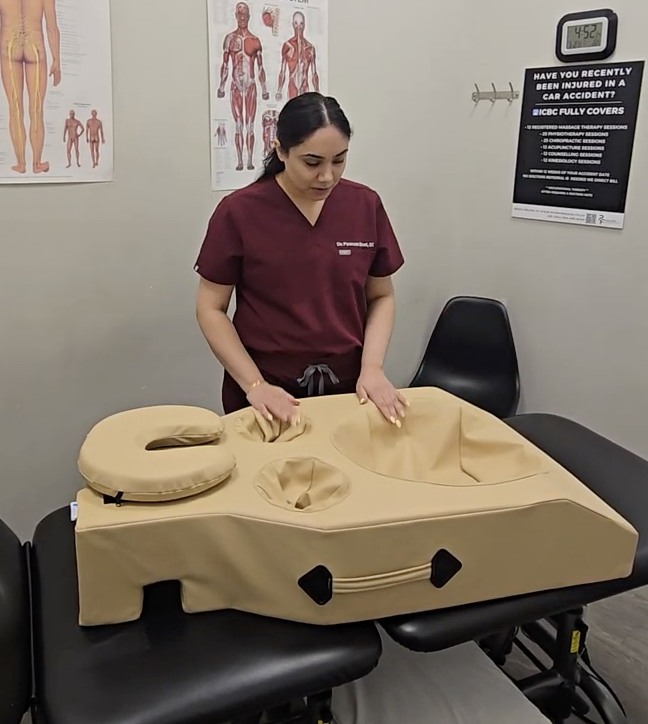
A pregnancy pillow is a specially designed support used during treatment to help position your body safely and comfortably.
It is used to: • support your growing belly • maintain proper spinal alignment • reduce pressure on sensitive areas • allow you to relax during treatment
This allows your body to stay supported while still receiving effective care.
What Is a Pregnancy Pillow in Chiropractic Care?
How a Pregnancy Pillow Improves Comfort
Using a pregnancy pillow during chiropractic treatment may help:
• reduce pressure on the abdomen and lower back • improve comfort while lying down • support proper body positioning • allow muscles to relax more fully • create a more positive treatment experience
When your body is properly supported, treatment becomes not only more comfortable—but also more effective.
Safe and Gentle Care for Expectant Mothers
Chiropractic care during pregnancy is adapted to your body’s needs at every stage.
With the use of pregnancy pillows and modified techniques, treatment focuses on: • gentle, controlled adjustments • safe positioning • reducing strain on joints and muscles • improving overall comfort and mobility
Your safety—and your baby’s safety—are always the priority.
Who Can Benefit From This Approach?
Pregnancy pillow support may benefit individuals experiencing: • lower back pain during pregnancy • hip or pelvic discomfort • tension from postural changes • difficulty getting comfortable during treatment • general pregnancy-related discomfort
Why Comfort Matters in Treatment
When your body feels supported, it can relax more easily—and that’s when treatment becomes more effective.
Proper positioning allows: • better muscle relaxation • reduced guarding or tension • improved response to treatment • a more positive overall experience
Comfort isn’t just a bonus—it’s an important part of care.
Final Thoughts
Pregnancy doesn’t mean you have to feel uncomfortable during treatment.
With the right support, positioning, and approach, chiropractic care can be both safe and comfortable throughout your pregnancy.
Small adjustments—like using a pregnancy pillow—can make a big difference in how your body feels during and after your session.
Take the Next Step Toward Comfortable Care
If you’re experiencing discomfort during pregnancy or want a more supportive treatment experience, we’re here to help.
At Pain Free Health Clinic, we provide safe, personalized care designed for your comfort at every stage of pregnancy.
Low back pain is one of the most common reasons people seek physiotherapy. Whether caused by poor posture, muscle imbalances, sedentary lifestyles, or injury, back pain can significantly impact daily life. One evidence-based and highly effective approach to managing and preventing low back pain is Physio-Led Pilates. This specialized form of rehabilitation combines the principles of Pilates with the expertise of a licensed physiotherapist to restore stability, strength, and confidence in movement.
What is Physio-Led Pilates?
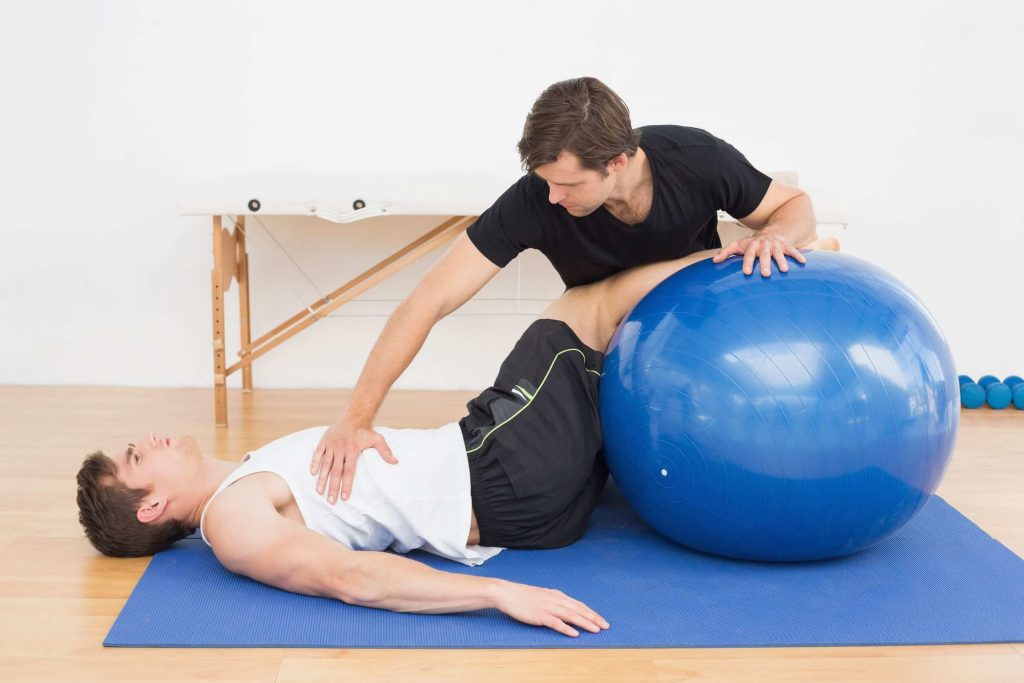
Pilates is a form of exercise that focuses on controlled movement, breath, alignment, and core stability. When led by a physiotherapist, Pilates becomes a rehabilitation tool tailored to each individual’s condition, injury history, and movement goals. Unlike a general fitness class, Physio-Led Pilates incorporates:
Individualized assessment to identify weaknesses, muscle imbalances, or faulty movement patterns.
Targeted exercises that build core strength and spinal stability without placing excessive strain on injured tissues.
Progressive programming to ensure patients safely transition from early rehab to functional fitness.
Physio-Led Pilates for Low Back Stabilization
Why Focus on Low Back Stabilization?
The spine relies on a combination of deep stabilizing muscles (such as the transverse abdominis, multifidus, and pelvic floor) and global movers (like the glutes and abdominal muscles). When the stabilizers are weak or not activating correctly, the larger muscles often compensate, which can lead to recurring pain and stiffness.
Low back stabilization through Pilates helps to:
Activate deep core muscles for improved spinal support.
Improve posture and alignment, reducing strain on the lumbar spine.
Enhance flexibility and mobility of tight muscles around the hips and pelvis.
Reduce recurrence of back pain by teaching patients how to move efficiently.
Promote long-term self-management, empowering patients with exercises they can continue independently.
Benefits of Physio-Led Pilates for Back Pain
1. Safe and Supervised – A physiotherapist ensures exercises are performed correctly to avoid aggravating pain.
2. Customized to Your Needs – Programs adapt to your injury history, fitness level, and goals.
3. Evidence-Based Approach – Research shows Pilates-based rehabilitation can reduce pain intensity and improve function in chronic low back pain patients.
4. Whole-Body Integration – Beyond the core, Pilates improves balance, coordination, and overall movement efficiency.
5. Bridges Rehab to Fitness – Ideal for those looking to transition from physiotherapy into sustainable, long-term exercise.
What to Expect in a Physio-Led Pilates Program
Initial Assessment: Your physiotherapist will assess posture, movement patterns, flexibility, and core activation.
Exercise Sessions: Guided one-on-one or small group sessions using mats, reformers, and props.
Home Program: Individualized exercises to reinforce learning and build consistency.
Progressions: Gradual increase in challenge as strength and stability improve.
Is Physio-Led Pilates Right for You?
Physio-Led Pilates is particularly beneficial if you:
Experience chronic or recurrent low back pain.
Have postural issues from sitting or standing for long hours.
Are recovering from an injury or surgery and need safe reconditioning.
Want to prevent future back problems through proactive strengthening.
Take the Next Step Toward a Stronger Back
Low back pain doesn’t have to limit your life. Physio-Led Pilates offers a safe, effective, and empowering way to restore spinal stability and prevent future flare-ups. By working with a physiotherapist, you’ll gain the tools, guidance, and confidence to move without fear.
Book a Physio-Led Pilates assessment at Pain Free Health Clinic today and start building a stronger, healthier back.
How the PostureMedic Brace Can Help Improve Kids’ Posture and Prevent Future Pain
As children grow, so do their bodies—and unfortunately, so do their habits. With the rise of screen time, online learning, and heavy backpacks, poor posture is becoming more common in kids and teens. Over time, slouching can lead to muscular imbalances, fatigue, and even back or neck pain. That’s where the PostureMedic brace comes in.
What Is the PostureMedic Brace?
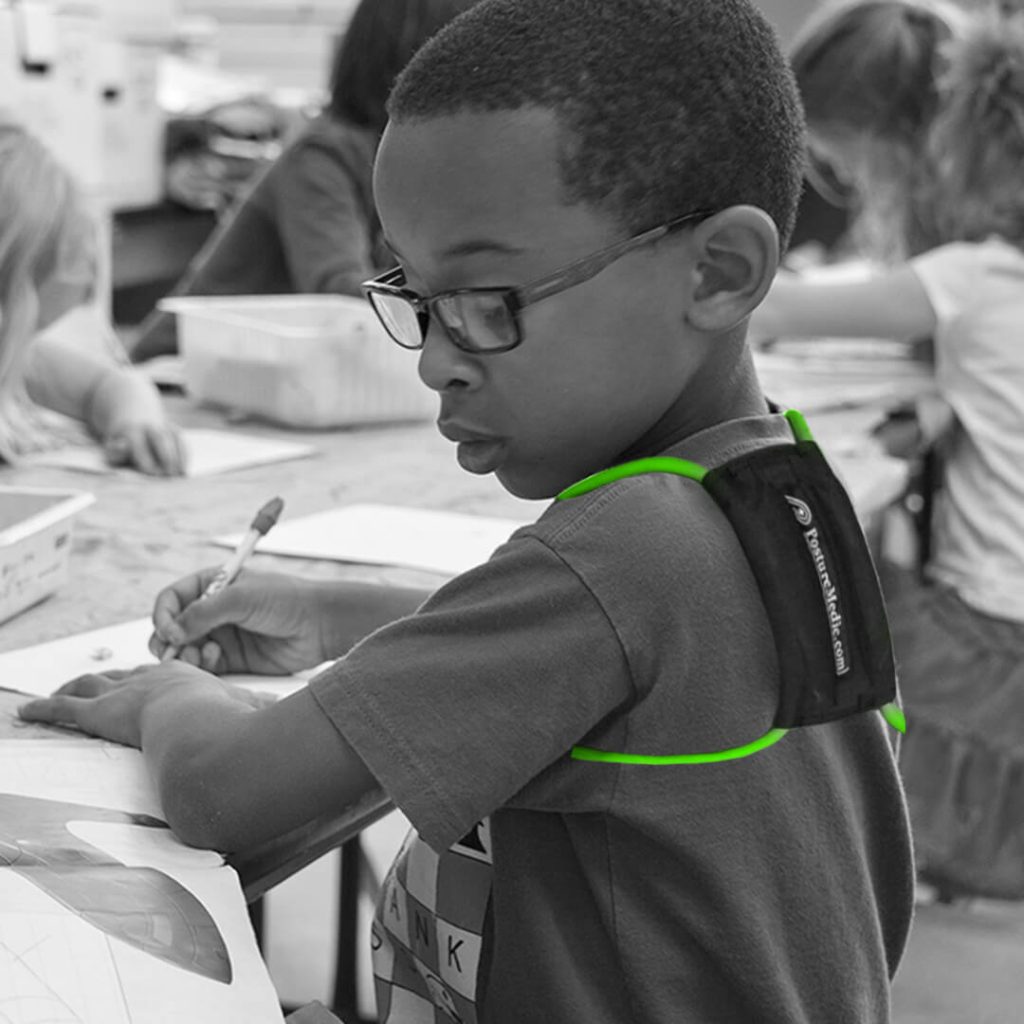
The PostureMedic is a flexible posture brace designed to help retrain muscles and support proper spinal alignment. Unlike rigid braces that limit movement, PostureMedic is an active tool that encourages better posture without fully restricting motion. It’s lightweight, easy to wear, and safe for children under appropriate guidance.
Benefits of PostureMedic for Kids
1. Encourages Proper Spinal Alignment
The PostureMedic brace gently pulls the shoulders back and reminds kids to sit and stand taller. This realignment helps relieve stress on the spine, especially during homework, screen use, or long periods of sitting.
2. Builds Muscle Awareness
Wearing the brace increases postural awareness. Over time, kids start to recognize when they’re slouching and correct their own posture—even without the brace.
3. Supports Developing Bodies
Children’s muscles and bones are still growing. Intervening early with proper posture support can prevent long-term issues like forward head posture or rounded shoulders, which are harder to correct later in life.
4. Promotes Confidence
Good posture isn’t just physical—it’s also emotional. Standing tall has been linked to improved self-esteem and focus, especially in classroom and social settings.
5. Pairs with Rehab and Exercise
At Pain Free Health, we often recommend PostureMedic as part of a larger treatment plan. When combined with stretching, strengthening, and education, it becomes a powerful tool for long-term improvement.
How the PostureMedic Brace Can Help Improve Kids’ Posture and Prevent Future Pain
When to Consider a Posture Brace for Your Child
If your child:
• Complains of neck, shoulder, or back pain
• Spends hours on a tablet or laptop
• Has visibly slouched or rounded posture
• Carries a heavy backpack daily
…it may be time to assess their posture and consider supportive tools like PostureMedic.
Professional Guidance Is Key
At Pain Free Health, our team of chiropractors, physiotherapists, and kinesiologists can assess your child’s posture and customize a plan that includes exercises, education, and bracing (if appropriate). We’ll guide you on how often the brace should be worn and how to use it effectively—because every child is different.
Want to learn if the PostureMedic brace is right for your child?
Book a posture assessment at Pain Free Health today and let us help your child grow strong, confident, and pain-free.
Is It Sciatica or Piriformis Syndrome? How to Treat Gluteand Leg Pain
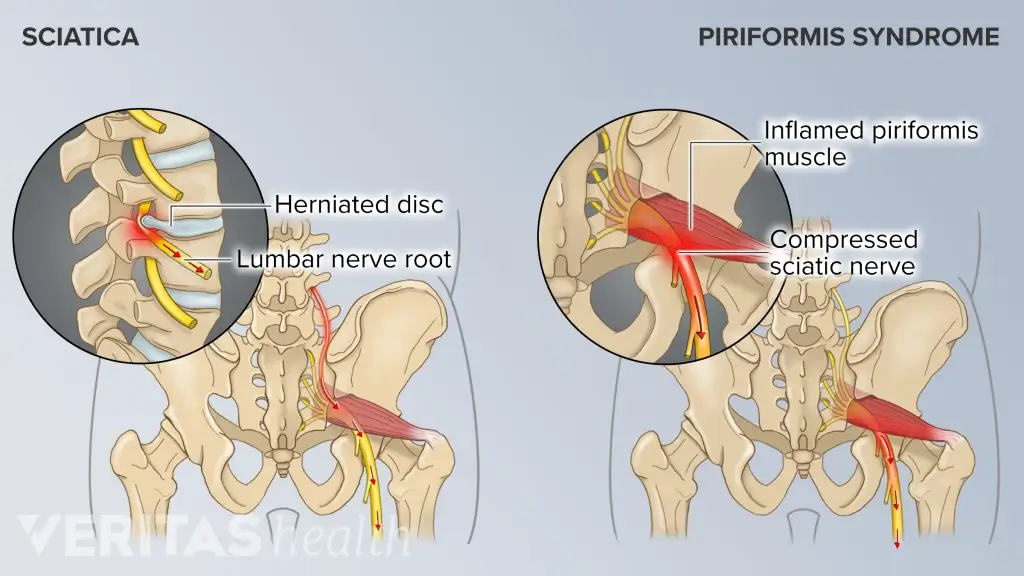
Do You Feel Pain in Your Glutes That Shoots Down Your Leg? This kind of pain is easy to mistake for sciatica, but in many cases, another condition may be causing discomfort.
Piriformis syndrome is a common but often overlooked cause of buttock and leg pain. It happens when the piriformis muscle becomes inflamed and presses against the sciatic nerve. This can lead to a range of symptoms, from a dull ache to sharp, radiating pain that travels down the leg. (Boyajian-O’Neill et al., 2008)
The piriformis muscle plays an important role in rotating the hip and stabilizing the pelvis. It sits right next to the sciatic nerve, and in some people, the nerve even runs through the muscle. This close relationship means that when the piriformis tightens or spasms, it can directly affect the nerve, leading to pain, tingling, numbness, or weakness in the leg.
Is It Sciatica or Piriformis Syndrome? How to Treat Gluteand Leg Pain
What Causes Piriformis Syndrome?
Several factors can contribute to the development of piriformis syndrome. These include sitting for long periods, poor posture, repetitive movements such as running or stair climbing, direct trauma to the buttocks, or underlying biomechanical issues like leg length differences or weak core muscles. Motor vehicle accidents are another common cause, particularly if the impact causes a shift in the pelvis or lower back.
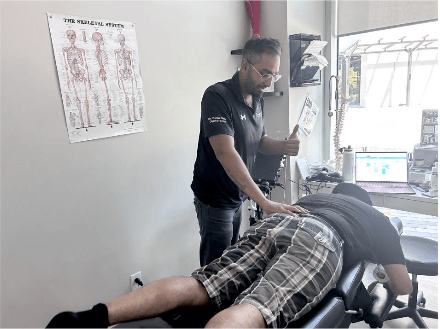
Dr. Bisla Adjusting Patient presenting with Piriformis Syndrome
Common Symptoms to Watch For
Deep aching pain in one side of the buttocks
Sharp pain that radiates from the glute down the back of the leg
Numbness or tingling that follows the path of the sciatic nerve
Pain that worsens with sitting, walking, or climbing stairs
Relief when lying down or stretching the hips
If you recognize these symptoms, it is important to get a proper assessment. Piriformis syndrome shares symptoms with other conditions, including herniated discs and spinal stenosis, and accurate diagnosis is key to effective treatment.
How We Treat Piriformis Syndrome
At Pain Free Health Clinic, we use a holistic and evidence-informed approach. Treatment often begins with a thorough physical assessment to determine whether the piriformis muscle is the source of your pain. If confirmed, your treatment plan may include:
Manual therapy to release tension in the muscle
Targeted stretching to increase flexibility in the hips and glutes
Strengthening exercises for the core and pelvis
Postural education and ergonomic guidance for sitting and movement
Modalities such as dry needling, massage therapy, or shockwave therapy (when needed)
These treatments help reduce nerve pressure, restore mobility, and prevent symptoms from returning.
Why It Matters
Untreated piriformis syndrome can lead to chronic pain and reduced quality of life. Early and consistent care improves outcomes and helps you return to daily activities without discomfort. Many patients notice a significant reduction in symptoms within a few weeks when following a structured rehab plan. (Probst et al., 2019)
Who Can Benefit from Treatment?
People with persistent glute or leg pain
Runners and athletes with tight hips or limited mobility
Office workers and drivers who sit for extended hours
Motor vehicle accident patients
Anyone with unresolved sciatica-like symptoms
When to Book an Appointment
If your pain starts in the buttocks and radiates down the leg, or if sitting for long periods makes it worse, it is a good idea to get checked by a physiotherapist. With the right care, piriformis syndrome is highly treatable, and most people recover well.
Start Your Recovery Today
Pain Free Health Clinic has locations across South Surrey, Richmond, Ladner, Queensborough, and Langley. Our team is here to help you move better and feel better with care that is personalized to your body and lifestyle.
References
Boyajian-O’Neill, L. A., McClain, R. L., Coleman, M. K., & Thomas, P. P. (2008). Diagnosis and management of piriformis syndrome: An osteopathic approach. The Journal of the American Osteopathic Association, 108(11), 657–664. https://doi.org/10.7556/jaoa.2008.108.11.657
Probst, D., Stout, A., & Hunt, D. (2019). Piriformis syndrome: A narrative review of the anatomy, diagnosis, and treatment. PM&R, 11(S1), S54–S63. https://doi.org/10.1002/pmrj.12299
Pilates Foundations Workshop by Meeran Gill
Pilates Foundations
Workshop Handout
Instructor: Meeran Gill
Date: February 26, 2025
Location: Pain Free Health Clinic
Introduction to Pilates:
What is Pilates?
Pilates is a mind-body exercise method developed by Joseph Pilates in the early 20th century. It focuses on strengthening the body with an emphasis on core stability, flexibility, and proper postural alignment. Pilates incorporates controlled movements, precision, and breath work to enhance both physical and mental well-being.
Key Principles of Pilates:
1. Breathing:
Breathing is central to Pilates practice. The focus is on lateral ribcage breathing (breathing into the sides and back of the ribcage), which helps engage the core muscles and supports movement.
Encouraging clients to match their breath with movement can facilitate a mind-body connection and ensure optimal muscle activation.
2. Control:
Every movement in Pilates is deliberate and controlled. Emphasis is placed on slow, steady movements to ensure proper technique and prevent injury.
Control over movement also helps improve proprioception and awareness of the body in space.
3. Centering:
The “powerhouse” or core is the central area of focus in Pilates. It includes the muscles of the abdomen, lower back, hips, and pelvic floor.
Engaging the core during each exercise helps support the spine and improves overall posture.
4. Concentration:
Pilates requires full mental focus. Guide clients to focus on the quality of movement rather than quantity or intensity.
Building concentration enhances the benefits of Pilates, making it an effective rehabilitation tool.
5. Precision:
Precision is key in Pilates exercises. Each movement should be performed with intention and accuracy to maximize results and minimize the risk of injury.
Emphasizing alignment, muscle activation, and the range of motion during exercises helps to create meaningful movement patterns.
Pilates Foundations Workshop by Meeran Gill
Basic Pilates Exercises:
1.Footwork
Objective: Develop lower body strength, stability, and coordination while engaging the quadriceps, calves, and glutes.
Modifications: To modify for beginners, reduce the range of motion or perform the exercise with one leg at a time for less intensity. To increase difficulty, add more resistance or perform the movement more slowly.
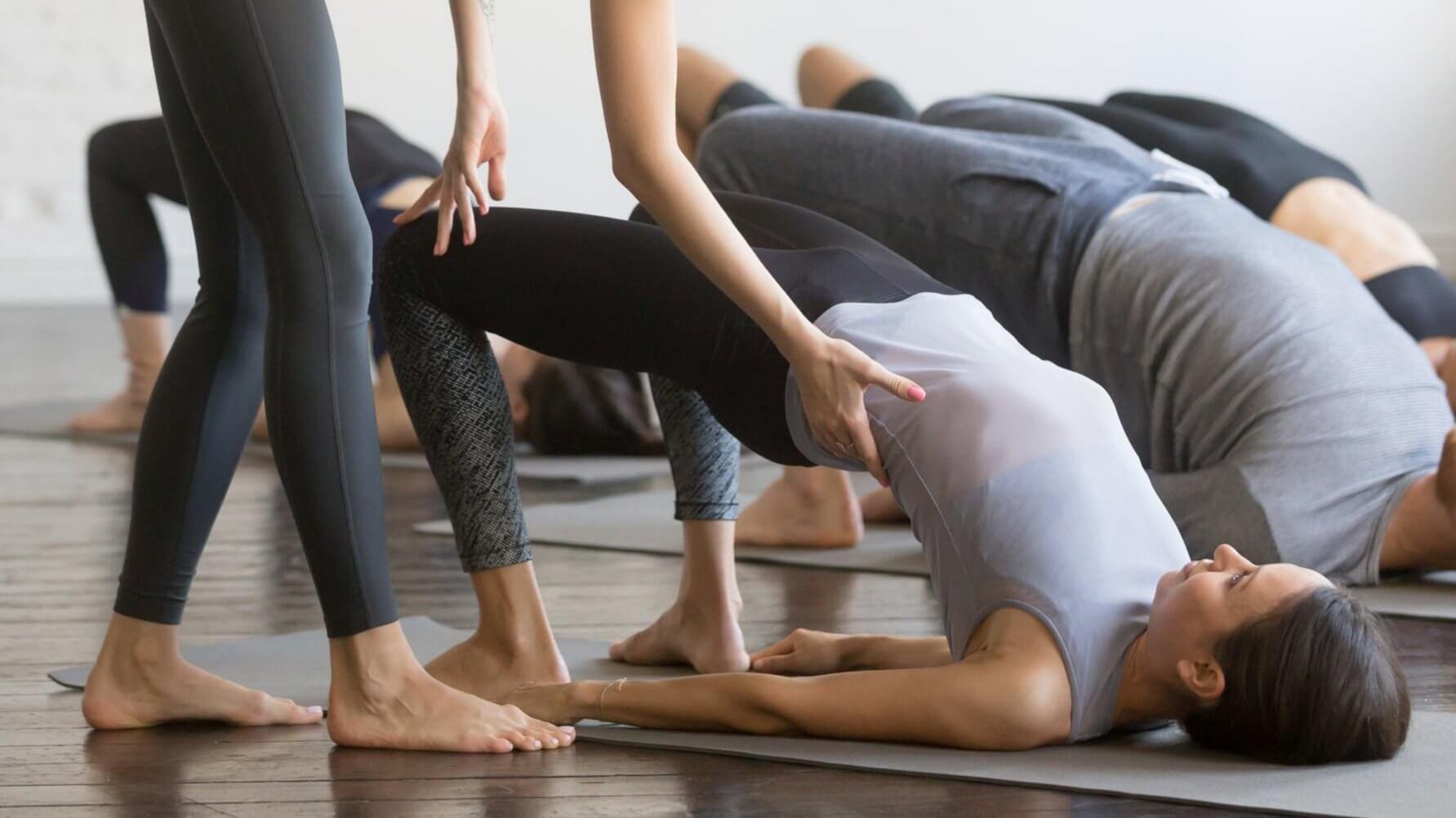
2. Bridging: Articulation vs. Hinging
Objective: Strengthen the glutes, hamstrings, and lower back muscles while improving pelvic stability.
Modifications: For beginners, keep the legs bent or lower them closer to the floor to reduce the challenge. If the neck feels strained, you can place a small towel or cushion under the head for added support.
4. The Saw
Objective: Stretch the hamstrings and spine while strengthening the obliques.
Modifications: For beginners, reduce the depth of the lunge by not lowering the back knee as much
For an added stretch, place your back knee on the floor and keep the front leg bent, reaching the arms overhead.
Pilates for Rehabilitation:
Core Strengthening for Spinal Stability:
Core activation is essential for spinal support and injury prevention. Focus on exercises that target the deep abdominal muscles and pelvic floor. Use modifications and props to provide a supportive environment for clients recovering from injury.
Joint Mobility and Flexibility:
Pilates exercises like the Saw promote joint mobility, particularly in the spine, hips, and shoulders. Use gentle movements to improve flexibility without compromising posture.
Posture Alignment:
Pilates helps retrain posture by promoting proper alignment of the spine, pelvis, and shoulders. Use exercises like the Pelvic Curl and Leg Circles to address imbalances and postural asymmetries.
Pilates Equipment:
1. Mat Pilates:
Mat-based Pilates relies on body weight and gravity to create resistance. It is a cost-effective option and can be easily adapted to different levels and settings.
2. Reformer Pilates:
The Reformer is a piece of equipment with adjustable springs that provide resistance. It can be used for more dynamic exercises, offering varied intensity levels for rehabilitation and strength training. Remember, the more springs does not mean harder the exercise
3. Other Props:
Small props such as resistance bands, exercise balls, foam rollers, and Pilates rings can be incorporated to enhance the exercises and provide support or challenge.
Further Resources:
Pilates books, videos, and certification programs.
Recommended Pilates instructors and courses for continued professional development.
Social media: @movewithmeeran on Instagram and Tiktok!
Why Chiropractic Care Is Essential for Growing Kids and Teenagers
Supporting Healthy Growth & Development Through Chiropractic Care
As kids and teenagers grow, their bodies undergo rapid musculoskeletal changes, making proper spinal health essential. Whether it’s postural issues from screen time, sports injuries, or growth-related discomfort, chiropractic care can help ensure proper alignment, mobility, and nervous system function—laying the foundation for lifelong health.
Did you know? Research suggests that postural problems and spinal misalignments often begin in childhood and, if left unaddressed, can lead to chronic pain in adulthood.
Why Do Kids and Teens Need Chiropractic Care?
Growing children are prone to spinal misalignments (subluxations) due to various lifestyle factors:
Poor Posture – Increased screen time leads to tech neck, rounded shoulders, and back pain.
Sports Injuries – High-impact activities like soccer, gymnastics, and football can strain the spine.
Rapid Growth Spurts – Conditions like Osgood-Schlatter disease, scoliosis, and growing pains are common.
Heavy Backpacks – Improper backpack use can cause postural imbalances and shoulder pain.
Sleep and Nervous System Health – Spinal misalignments can impact sleep quality, concentration, and overall nervous system function.
Chiropractic adjustments help correct misalignments and improve nervous system communication, allowing the body to function at its best.
Why Chiropractic Care Is Essential for Growing Kids and Teenagers
The Benefits of Chiropractic Care for Kids & Teens
Supports Healthy Posture & Spinal Development
Chiropractic care helps prevent forward head posture, scoliosis progression, and spinal imbalances, ensuring proper alignment during critical growth stages.
Enhances Athletic Performance & Injury Prevention
Regular adjustments help maintain joint mobility, flexibility, and muscle balance, reducing the risk of sports injuries and improving recovery time.
Reduces Headaches & Neck/Back Pain
Postural stress from school, gaming, and screen use can lead to tension headaches, migraines, and neck stiffness—all of which chiropractic care can relieve.
Boosts Nervous System Function & Focus
Proper spinal alignment ensures optimal nerve function, supporting better concentration, reduced stress, and improved sleep quality—key for school performance and mental health.
Is Chiropractic Care Safe for Kids & Teens?
Yes! Pediatric chiropractic adjustments are gentle, safe, and specifically tailored to a child’s age and developmental stage. Chiropractors use light, controlled pressure to ensure a comfortable experience.
A 2021 study published in the Journal of Manipulative and Physiological Therapeutics found that pediatric chiropractic care is safe and well-tolerated, with parents reporting improvements in sleep, behavior, and general well-being.
When Should Your Child See a Chiropractor?
Warning Signs of Spinal Misalignment in Kids & Teens:
Poor posture or forward head posture (tech neck)
Frequent headaches, back pain, or muscle stiffness
Uneven shoulders or one leg appearing shorter than the other
Difficulty sleeping or behavioral issues
Recurring sports injuries or joint pain
Early intervention prevents long-term issues!
Schedule a Pediatric Chiropractic Check-Up Today!
Chiropractic care isn’t just for adults—it’s a key part of ensuring your child grows up healthy, strong, and pain-free.
Gentle, kid-friendly adjustments
Improved posture, mobility, and focus
Natural support for growing bodies
Book an appointment today at Pain Free Ladner and give your child the best foundation for lifelong health!
References
1. Alcantara J, Ohm J, Kunz D. The Safety and Effectiveness of Pediatric Chiropractic: A Survey of Chiropractors and Parents in a Practice-Based Research Network. J Manipulative Physiol Ther. 2021;44(4): 295-304. doi: 10.1016/j.jmpt.2020.10.001.
2. Bronfort G, Evans R, Anderson AV, Svendsen KH. Spinal Manipulative Therapy for Chronic Lower Back Pain in Adolescents. Spine J. 2018;18(3): 511-520. doi: 10.1016/j.spinee.2017.09.009.
3. Hestbæk L, Leboeuf-Yde C, Kyvik KO, Manniche C. Low Back Pain in Children: A Review of the Literature. Eur Spine J. 2019;28(6): 1236-1250. doi: 10.1007/s00586-018-05884-x.
4. Zhang Y, Fisher D, Deyle G, et al. Chiropractic Care and Posture Improvement in Adolescents. J Pediatr Rehabil Med. 2020;13(4): 235-244. doi: 10.3233/PRM-200056.
Understanding Scoliosis: A Chiropractic Perspective on Diagnosis, Treatment, and Rehabilitation
Scoliosis, characterized by an abnormal lateral curvature of the spine, affects individuals across various age groups. Chiropractic care offers a non-invasive approach to managing this condition, focusing on pain relief, functional improvement, and, in some cases, curve stabilization.
What is Scoliosis?
Scoliosis involves a three-dimensional deformity of the spine, with a curvature measuring at least 10 degrees, known as the Cobb angle. The condition is categorized based on severity:
Mild: 10–25° Cobb angle
Moderate: 25–40°
Severe: Over 40°
While adolescent idiopathic scoliosis (AIS) is the most common form, adults may develop degenerative scoliosis due to age-related spinal changes.
Chiropractic Management of Scoliosis
Chiropractors employ a range of techniques to address scoliosis, aiming to alleviate symptoms and enhance spinal function:
Spinal Adjustments: Targeted manipulations to improve spinal alignment and mobility.
Scoliosis-Specific Exercises (SSE): Customized exercises designed to strengthen spinal musculature and promote postural correction.
Postural Training: Education on maintaining proper posture to reduce spinal stress.
Lifestyle Counseling: Guidance on ergonomics and daily activities to support spinal health.
A narrative review highlighted that combining chiropractic interventions with SSE can be beneficial in managing AIS, potentially serving as an alternative to bracing in certain cases.
Understanding Scoliosis: A Chiropractic Perspective on Diagnosis, Treatment, and Rehabilitation
Rehabilitation Strategies by Severity
Mild Scoliosis (10–25°):
Regular monitoring and SSE to prevent progression.
Chiropractic adjustments to address any functional limitations.
Moderate Scoliosis (25–40°):
Intensive SSE programs under professional supervision.
Consideration of bracing in conjunction with chiropractic care.
Severe Scoliosis (Over 40°):
Multidisciplinary approach involving chiropractic care, physical therapy, and orthopedic consultation.
Focus on pain management, functional improvement, and quality of life enhancement.
Prognosis and Outcomes
Early detection and intervention are crucial in managing scoliosis effectively. While chiropractic care may not reverse spinal curvature, it can play a significant role in symptom management and functional improvement. A study indicated that chiropractic rehabilitation methods could reduce the severity of scoliosis and positively impact pain and daily activities in adult patients.
Conclusion
Chiropractic care offers a patient-centered, non-invasive approach to managing scoliosis across its various stages. By integrating spinal adjustments, targeted exercises, and lifestyle modifications, chiropractors can help individuals with scoliosis achieve improved function and quality of life.
References
American Academy of Orofacial Pain. (2013). Orofacial pain: Guidelines for assessment, diagnosis, and management (5th ed.). Quintessence Publishing.
Negrini, S., Donzelli, S., Aulisa, A. G., Czaprowski, D., Schreiber, S., de Mauroy, J. C., ... & Zaina, F. (2018). 2016 SOSORT guidelines: Orthopaedic and rehabilitation treatment of idiopathic scoliosis during growth. Scoliosis and Spinal Disorders, 13(1), 3. https://doi.org/10.1186/s13013-017-0145-8
Morningstar, M. W., Woggon, D., & Lawrence, G. (2011). Evaluation of chiropractic manipulation and rehabilitation on a patient with adolescent idiopathic scoliosis: A case report. Journal of Chiropractic Medicine, 10(4), 274–280. https://doi.org/10.1016/j.jcm.2011.06.004
Weiss, H. R., & Goodall, D. (2008). The treatment of adolescent idiopathic scoliosis (AIS) according to present evidence: A systematic review. European Journal of Physical and Rehabilitation Medicine, 44(2), 177–193.
Weiss, H. R., & Moramarco, M. (2016). Indications for conservative management of scoliosis (guideline paper). The Open Orthopaedics Journal, 10, 524–531. https://doi.org/10.2174/1874325001610010524
Comprehensive Guide to Treatments Covered Under WCB in British Columbia
At Pain Free Health Clinic, we are dedicated to helping injured workers recover effectively and return to work safely. With offices conveniently located in Ladner, Langley, East Richmond, and South Surrey, we specialize in providing treatments covered under the Workers' Compensation Board (WCB) in British Columbia. This comprehensive guide will walk you through the range of services available and how we can assist you in your recovery journey.
What Is WCB and How Can It Help You?
The Workers' Compensation Board (WCB) is a provincial organization that provides financial and medical support to employees who are injured on the job or suffer from work-related illnesses. WCB ensures you receive timely medical care and rehabilitation services to promote recovery and a safe return to work. At Pain Free Health Clinic, we work closely with WCB to offer effective treatments tailored to your needs.
Comprehensive Guide to Treatments Covered Under WCB in British Columbia
Treatments Covered Under WCB
WCB in British Columbia covers a wide range of treatments aimed at helping injured workers recover physically and emotionally. At Pain Free Health Clinic, we provide the following services as part of WCB coverage:
1. Physiotherapy
Restores mobility, strength, and function through customized treatment plans.
Includes manual therapy, therapeutic exercises, and pain management techniques.
2. Massage Therapy
Reduces muscle tension and promotes healing in soft tissues.
Effective for managing pain and enhancing circulation.
3. Chiropractic Care
Focuses on spinal adjustments and realigning musculoskeletal structures.
Addresses back pain, neck pain, and joint issues.
4. Kinesiology Services
Active rehabilitation programs designed to restore functional abilities.
Tailored exercises to prevent re-injury and build strength.
5. Acupuncture
Provides pain relief and promotes recovery by improving blood flow and reducing inflammation.
6. Custom Recovery Programs:
Work-specific rehabilitation plans designed to meet the demands of your job.
7. Mental Health Support
Counseling services to address workplace trauma or stress-related conditions.
8. Education and Ergonomics:
Guidance on workplace ergonomics and injury prevention strategies.
Benefits of WCB-Covered Treatments
At Pain Free Health Clinic, we ensure that accessing WCB-covered treatments is a hassle-free experience. Here are the benefits of choosing us:
Direct Billing: We handle all the paperwork and communicate directly with WCB, so you don’t have to worry about upfront payments.
Expert Care: Our team of licensed physiotherapists, chiropractors, massage therapists, and kinesiologists work collaboratively to deliver personalized care.
Convenient Locations: With clinics in Ladner, Langley, East Richmond, and South Surrey, we make accessing care easy and efficient.
Focus on Recovery: Our comprehensive approach ensures you recover faster and return to work confidently.
How to Access WCB-Covered Treatments
Report Your Injury:
Notify your employer immediately about your workplace injury.
File a WCB claim to access benefits.
Schedule an Appointment:
Contact any of our locations in Ladner, Langley, East Richmond, or South Surrey.
Let Us Handle the Billing:
Once your WCB claim is approved, we take care of direct billing, so you can focus on your recovery.
Begin Your Treatment:
Start your personalized rehabilitation plan with our experienced team.
Why Choose Pain Free Health Clinic?
Comprehensive Services
We offer a full range of treatments tailored to meet your specific injury and job requirements. From physiotherapy to chiropractic care, we ensure all your rehabilitation needs are met.
Experienced Team
Our licensed healthcare professionals have extensive experience in treating workplace injuries and working within WCB guidelines.
Hassle-Free Process
We understand the complexities of WCB claims. Our team simplifies the process by managing all billing and communication with WCB on your behalf.
Proven Track Record
We’ve helped countless injured workers recover and return to work safely, earning a reputation for quality care and exceptional results.
Get Started Today
Don’t let a workplace injury slow you down. With our expertise and WCB-covered treatments, Pain Free Health Clinic is here to support you every step of the way. Whether you’re in Ladner, Langley, East Richmond, or South Surrey, our team is ready to help you recover and get back to work.
Contact us today to schedule your appointment and experience the difference of expert care!
Comprehensive Guide to Treatments Covered Under ICBC in British Columbia
If you've been injured in a motor vehicle accident in British Columbia, you’re likely familiar with the Insurance Corporation of British Columbia (ICBC) and its role in providing support for your recovery. ICBC offers coverage for a wide range of medical treatments and rehabilitation services to help individuals regain their health and return to their normal lives. At Pain Free Health Clinic, we proudly serve ICBC clients at our locations in Ladner, Langley, East Richmond, and South Surrey. With Direct Billing for ICBC, we make accessing your treatment seamless and stress-free. In this blog, we’ll break down the treatments typically covered under ICBC and how our clinic can support your recovery.
Comprehensive Guide to Treatments Covered Under ICBC in British Columbia 11
1. Physiotherapy: Restoring Mobility and Strength
Physiotherapy is one of the most common treatments covered under ICBC. It focuses on assessing and treating musculoskeletal injuries, which are typical after car accidents. At Pain Free Health Clinic, our expert physiotherapists provide services such as:
Manual therapy for pain relief.
Exercise programs tailored to improve mobility and strength.
Electrotherapy and other modalities to speed up recovery.
2. Chiropractic Care: Alleviating Joint and Spinal Pain
Chiropractic treatments address injuries to the spine, neck, and joints, helping to restore alignment and reduce pain. Common services include:
Spinal adjustments.
Joint manipulations.
Advice on posture and ergonomics to prevent further strain.
3. Massage Therapy: Relaxation and Pain Relief
Massage therapy helps reduce pain and improve circulation, making it an excellent choice for soft tissue recovery. Treatments can include:
Deep tissue massage to alleviate tension.
Trigger point therapy to target specific areas of discomfort.
4. Acupuncture: Targeting Pain Points
Acupuncture is another ICBC-approved treatment that uses fine needles to stimulate specific points on the body. This therapy is particularly effective for:
Chronic pain management.
Reducing inflammation and stress.
Promoting overall recovery.
5. Clinical Counselling: Mental Health Support
Motor vehicle accidents can leave lasting emotional scars. ICBC covers clinical counselling to help individuals cope with trauma, anxiety, or depression. Services include:
One-on-one counselling sessions.
Cognitive-behavioral therapy (CBT).
Support for post-traumatic stress disorder (PTSD).
Occupational therapists assist in helping individuals regain their ability to perform daily tasks. Common services include:
Ergonomic assessments.
Training in adaptive techniques for home or work tasks.
7. Kinesiology: Active Rehabilitation
Kinesiology focuses on active recovery through exercise therapy. Kinesiologists work closely with patients to design personalized programs aimed at:
Improving strength and endurance.
Enhancing flexibility and mobility.
Preventing future injuries.
8. Psychology and Neuropsychology: Cognitive and Emotional Recovery
For those dealing with cognitive or psychological challenges following an accident, ICBC provides coverage for:
Psychological assessments.
Therapy for anxiety, depression, or PTSD.
Neuropsychological assessments to address brain injuries.
9. Pain Management Clinics: Comprehensive Care for Chronic Pain
If chronic pain persists, ICBC may cover treatments at specialized pain management clinics. These clinics offer a multi-disciplinary approach, including:
Medical interventions.
Physical therapies.
Psychological support to manage pain effectively.
10. Speech Therapy: Rebuilding Communication Skills
For individuals experiencing speech or swallowing difficulties due to an accident, ICBC covers speech therapy, which includes:
Language and communication skill training.
Swallowing therapy.
11. Prescription Medications
ICBC also covers the cost of medications required for pain management or injury recovery. Be sure to consult your doctor and provide the necessary documentation for reimbursement.
12. Alternative Therapies
In certain cases, ICBC may cover alternative therapies like hydrotherapy or naturopathy. However, these treatments often require pre-approval.
Direct Billing: We handle ICBC billing directly, so you can focus on your recovery without worrying about paperwork.
Experienced Team: Our professionals are trained to deliver compassionate, personalized care.
How to Access These Treatments
Initial Coverage: ICBC generally pre-approves a set number of treatments (e.g., 25 physiotherapy sessions) immediately following the accident.
Enhanced Care Model: Under ICBC’s Enhanced Care model, introduced in May 2021, individuals can access comprehensive care without litigation.
Claim Number: To access treatment, you’ll need a valid ICBC claim number. Provide this to our team for seamless direct billing.
Conclusion
Recovering from a motor vehicle accident is a journey, but with ICBC’s extensive coverage and the dedicated care provided by Pain Free Health Clinic, you’re not alone. From physiotherapy to clinical counselling, we’re here to support your physical, mental, and emotional recovery. If you’ve been injured, make sure to connect with our team and take full advantage of these resources.
Contact us today to schedule your appointment at one of our convenient locations. Let us help you prioritize your health and recovery – because you deserve to be pain-free!
Chiropractic for the Treatment of the Musculoskeletal System
Chiropractic is a manual process. The word is derived from the two Greek terms ‘cheir’ for hand and ‘praktikos’ for active. This means: The chiropractor works with his hands to feel and treat functional disorders of the musculoskeletal system. Chiropractic is a procedure that is used both for diagnosis and for manual therapy. The main area of application is pain therapy.
What does a chiropractor do?
Chiropractors diagnose and treat mechanical problems in joints, muscles, tendons, and ligaments, and the effects these problems can have on nervous system function. Chiropractors only use their hands. Although all joints in the body can be treated through chiropractic care, the main focus is on the joints in the spine. Not that complicated, is it? For most people, however, chiropractic care is a new path.
The task of the chiropractor is to recognize bad posture and incorrect movements. Static problems resulting from this can be eliminated with the help of specific actions. In particular, the statics of the spine and pelvis play a decisive role. Subsequently, it is often necessary to correct faulty movement sequences in cooperation with the patient.
Why the spine?
Our spine is not only there to keep us stable and flexible in an upright position, it also has a second, much more important function: it encloses and protects our nervous system. Nerves are very sensitive structures that react easily to chemical and mechanical stimuli. If the spine becomes stiff or misaligned over a long period of time, the nerves can be irritated by the increased pressure and restricted blood flow. Therefore, mechanical problems in the spine are often the cause of pain and other symptoms.
Where the chiropractor help
The treatment of the chiropractor includes local and complex complaints in the area of the spine, pelvis and joints, but also muscles and tendons. He takes into account that there are close interactions between these structures of the musculoskeletal system and the nervous system. Chiropractic thus occupies an important position between orthopaedics, neurology, internal medicine and rheumatology.
In general, there is a wide range of symptoms that your chiropractor can help with. The following list contains the symptoms that are most commonly treated by chiropractic care. The effectiveness of chiropractic treatment for these complaints has been scientifically worked out in detail. Nevertheless, the treatment plan and treatment success are individual for each patient and according to the cause and severity of the problems.
Bottleneck syndromes (e.g., carpal tunnel syndrome or piriformis syndrome)
colic in babies
Chiropractic for the Treatment of the Musculoskeletal System 13
How does the chiropractor treat?
If joints have lost their normal mobility (are blocked, compressed or stuck together), chiropractors can help to restore normal mobility with targeted impulses. In many cases, this allows the function of neighboring nerve tissue to be optimized and the body’s natural self-healing powers to be promoted. Here one often speaks of taking the pressure or tension off the nervous system. The chiropractor can also treat tension in muscles, tendons and ligaments. This is usually done through neuromuscular techniques. This results in a relatively large range of treatments that can be processed therapeutically. Although the classic specialty of chiropractic is back pain.
Tackle pain for the long term? Prevention!
Chiropractic also addresses the prevention of mechanical health problems through both treatment and appropriate counseling. Prevention plays a very important role in chiropractic – similar to brushing your teeth in dentistry. Especially since many of our physical ailments today are due to our lifestyle. Most people are not aware of how much they can do themselves to prevent acute symptoms from occurring in the first place.
The emergence of chiropractic
The founder of modern chiropractic is Daniel David Palmer. The magnetopath (a healer who treated magnetism) and second-hand goods dealer lived from 1845 to 1913. Chiropractic is considered to have been born when Palmer set the cervical spine of a janitor and was able to free him from the hearing loss caused by the injury. Of course, joints and the spine have been “resetted” before. However, Palmer developed a technique in which he used dislocated vertebrae, using the spinous and transverse processes as leverage, to reposition the dislocated vertebrae.
Palmer founded the Palmer College of Chiropractic in 1896 to further research the interaction of nerves, bones, joints and muscles and to pass on his findings. Together with his son Bartlett Joshua Palmer, he refined the method and established chiropractic as a form of therapy. Today, this treatment method is often referred to as American chiropractic.
Do not forget to contact us in the areas of Chiropractor near me and Chiropractor Surrey. We offer you the best treatment at the best prices. You can consult us for many of your diseases. We are always at your service.
What is a Massage Therapy? How Can They Help You?
Massage Miracles
Most of the time you do it quite instinctively: if a part of your body hurts, you gently rub it to relieve the discomfort. Therefore, massage has been used as a healing method for thousands of years. Even Julius Caesar regularly had a massage because of his headaches.
The word massage has different origins such as Arabic (massah = rub), Greek (massein = knead) or Hebrew (massa = touch). It comprehensively describes the mechanical influence of skin, connective tissue and muscles by pressure, stretching or pulling stimuli in general.
WHY DO YOU MASSAGE?
Whether with aromatic oils, peels or hot stones, on the joints, neck and back, or even the whole body. For many years, many different massage techniques have developed in the world.
Although classical health massages are primarily for relaxation purposes, they should be performed by trained people to prevent injuries and unleash their full effects. Medical massages are prescribed by a doctor and can only be performed by professionally trained masseurs and physiotherapists.
WHEN SHOULD A MASSAGE BE DONE?
A massageis prescribed by the doctor when necessary due to certain medical conditions such as spinal congestion. “We are seeing more and more patients who have to sit a lot because of their work and whose back and neck muscles are underdeveloped or tense as a result,” explains a state-approved physiotherapist and a physiotherapy center employee.
When you have neck tension at your desk, you often instinctively massage your neck for short-term relief, but does that really help? “Not really,” say the staff of the physiotherapy center. “You’re sitting upright, the environment at work rarely has a really feel-good factor, and it just doesn’t really allow you to relax your muscles. Instead, by alternately pulling your shoulders up and down, you can relieve the unpleasant tension for a short time”.
A SUITABLE MASSAGE WORKS MORE INTENSIVE
Trained physiotherapists and chiropractorsusually start with stroking movements to get an overview of the muscles and possible complaints and then be able to react more gently or forcefully. You can penetrate deeper layers of tissue by rubbing and kneading as well as tapping. If you have a fever or thrombosis, you should avoid massaging. If in doubt, talk to your doctor first.
HOW THE BODY REACTS TO MASSAGE
The warmth of the hands, various stimuli and stretching massage strokes stimulate the receptors in the muscles and separate the muscle spindles from each other. This stimulates blood circulation, the tension in the muscles is reduced and they relax. Metabolic processes in the muscles can now occur normally and possible hyperacidity can be balanced.
Relaxing muscles also has an impact on mental health, as the researchers explain: “When people are not in a good mental mood, their bodies are often tense as well. Conversely, if a massage relieves muscle tension, you automatically feel more relaxed and your mood brightens.”
However, a better mood after massage also has a hormonal origin, as several studies have confirmed that less stress hormones are released through massage. Instead, more and more happiness hormones are produced, such as the so-called hug hormone oxytocin. So massages can be a real mood booster.
MASSAGE WITHOUT A PROFESSIONAL?
A special relaxation massage should be done in a calm and warm environment. Even if oils are not strictly necessary, they can support the effect of the massage as the skin becomes more supple, which is often much more pleasant for the person being massaged. In addition, the aromas in oils can have a calming and relaxing effect, as we explained in another post.
Be careful not to massage the bone and especially the spine. In addition, pressure on the skin and muscles should always remain pleasant, according to the motto: as strong as necessary, as gentle as possible. That’s why nothing should stand in the way of a relaxing massage.
How Does Classical Massage Work?
From the surface of the skin to the deep organ attachments: only a few forms of therapy have a similar broad spectrum of action as massage. The right movements not only relax the muscles and increase blood circulation. Congestion in the cell tissue and lymphatic region can also be removed. Even adhesions, as with scar tissue, can dissolve better. The knowledge gained in the field of fascia research worldwide in recent years also shows the importance of soft tissue structures for the musculoskeletal system and movement functions.
A positive effect of massage is its pain-relieving effect – and not just for acute complaints.
“Even patients who suffer from persistent pain often experience a break in their perception of sustained pain as a result of treatment, which makes more movement therapies possible in the first place,” says Ortmann, physiotherapist and national president of the Physical Therapy Association. Therapy. Skin contact, metabolic stimulation and relaxation also have a positive effect on mental state. For example, in the case of depression or anxiety disorders, massage is therefore suitable as a therapeutic supplement when it comes to improving body awareness. “Furthermore, an indirect effect on organs is possible through nerve reflex pathways, as we know through massage, among other things,” says Ortmann.
How Does Massage Work?
In its medical practice, massage concentrates on the body area where the complaints occur. Treatment usually begins with light strokes. “Here the therapist receives initial feedback from the tissue and can adjust the intensity of their grip accordingly – as strong as needed and as weak as possible,” the physiotherapist experts explain. By stroking, kneading, rubbing, tapping and vibrating, the masseur eventually penetrates deeper tissue layers. In addition, communication with the patient with a medical massage is also important: It should include a complete medical history, as well as additional movement exercises and lifestyle advice, for example, work or sports-related, for better prevention. possible false stress in the future.
When is a Classic Massage Useful?
A massage can alleviate the symptoms or support therapy for a whole range of diseases, for example:
Musculoskeletal disorders
Osteoarthritis and rheumatic diseases
Respiratory diseases such as asthma or chronic bronchitis
Skin diseases
Neurological disorders, such as sensory and perception disorders, multiple sclerosis or Parkinson’s disease
Psychosomatic disorders and psychological overload reactions, for example due to stress or burnout
Important: Some ailments speak against a massage – for example a thrombosis or acute feverish infections. If in doubt, ask your doctor whether a treatment is suitable for you!
Massage Therapy or Physiotherapy?
Massage Therapy is not the treatment of choice for all muscle complaints. Usually, it should only be used as a support. “A massage is often prescribed early, although treatment with consistent physiotherapy is appropriate, especially in the case of neck and back pain,” warn physiotherapists and experts. Unlike massage, physiotherapy requires the active cooperation of the patient and regulates the tension of the muscles by moving the involved joints. In this way, painful tension in the muscles can be eliminated and prevented in the future. The national care guide for low back pain explicitly recommends the use of movement therapy to reduce pain and improve physical function.
In most cases, muscle complaints are caused by a functional disorder in a joint or part of the spine. As a result, those affected often adopt a relaxing posture to avoid pain. This creates an increased imbalance that increases muscle tension. Therefore, always remember that massage treats the symptoms, but does not eliminate the cause. “If therapy ignores the cause for too long, the initial symptoms threaten to become chronic. In the worst case, those affected are dependent on painkillers for life,” says the expert.
Massage, on the other hand, is a tried and tested way to prepare for physiotherapy. Because it can relax the tissue hardening in advance and then promote blood circulation in the muscles used during physiotherapy.
Massage Benefits
Massage, especially RMT massage, has many benefits on the body. These massages, which have an immediate effect, are generally preferred in tired times and painful times. Massages, which were preferred as healing in the past, are applied in a much more scientific way today. Those who apply this are RMT massage technicians.
It is possible to protect and get rid of diseases by having a massage. After a regular massage, there is an increase in the number of lymphocyte blood cells in the body. With it, you are protected from diseases and your body’s immune system is strengthened. In this way, you will protect yourself against diseases during the winter months.
After the massage, serotonin and dopamine hormones secreted by the body are also secreted in excess. In this way, you will feel much happier and more peaceful. For this reason, whenever you are upset or depressed, you can come for a massage. You will be happy in a short time and you will feel much better thanks to the hormones secreted.
Massage by massage therapists can relieve neck and back pain, as well as nourish your soul. Such massages have a positive effect on your soul. You will feel relaxed by reaching a peace of mind. Whenever you get bored with life, you can immediately go to a massage therapist and find your peace.
Do not forget to contact us in the areas of RMT Richmond and massage therapy Surrey. We offer you the best treatment at the best prices. You can consult us for many of your diseases. We are always at your service.
What is Physiotherapy? How Physiotherapy Helps You?
Physiotherapy
Physiotherapy, also known as physical therapy in the past, serves to treat and prevent a wide variety of complaints, injuries and illnesses. Different active and passive techniques and procedures are used. Read everything you need to know about physical therapy: how it works, when to use it and what are the risks. You will have a lot of this information in this article.
What is Physiotherapy?
Physiotherapy treats limitations in the body’s ability to move and function and is a medically prescribed remedy. It is a useful supplement and sometimes an alternative to surgery or medication. Physiotherapy includes physiotherapy exercises, physical measures, massages and manual lymphatic drainage.
Physiotherapy can be carried out on an inpatient basis (in a hospital, rehabilitation centre, etc.) or on an outpatient basis (in a physiotherapy practice). There is also mobile physiotherapy. The physiotherapistcomes to the patient. This has the advantage that the patient can practice certain movement sequences in their familiar surroundings. Mobile physiotherapy is also useful for patients whose illness or physical limitations make it difficult or even impossible to visit a practice.
A special variant is the extended outpatient physiotherapy: In addition to general physiotherapeutic care, it includes medical advanced training that restores the patient’s ability to perform both privately and professionally.
Special directions or methods of physiotherapy are, for example:
Sports Physiotherapy
Sports physiotherapy is primarily aimed at the care and training of athletes and the prevention and treatment of sports injuries. Important components include warming up, stretching, the correct implementation of physiotherapy or physiotherapy exercises and, if necessary, the treatment of injuries caused by the sport.
Physiotherapy According to Bobath (physiotherapy according to Bobath)
Physiotherapy according to Bobath helps people with neurological dysfunctions (caused by the brain and nerves): the patients train and repeat certain movement sequences until new nerve fibers and synapses have formed. The method is used primarily after a stroke or in the case of congenital movement disorders.
Physiotherapy According to Vojta (physiotherapy according to Vojta)
In physiotherapy according to Vojta, the physiotherapist triggers reflexes with targeted pressure. The combination of several reflexes from certain starting positions should activate the muscle function.
Physiotherapy According to Schroth (physiotherapy according to Schroth)
With the help of Schroth physiotherapy, one tries to stop the deformation of the spine in scoliosis by strengthening and stretching the muscles and promoting a conscious upright posture.
Physiotherapy on the Device (physiotherapy on the device)
Device-supported physiotherapy aims to improve muscle strength and endurance, mobility and coordination, especially in the case of orthopedic complaints, with the help of training equipment and traction apparatus. Frequently used devices include bicycle ergometers, classic strength training devices and cable pulls.
CMD Physiotherapy
CMD stands for craniomandibular dysfunction and describes a disorder of the chewing function, which can lead to a wide variety of symptoms such as headaches, back and jaw pain, tension, tinnitus or grinding teeth. The most common cause is a jaw misalignment, which can be treated with special CMD physiotherapy.
Respiratory Therapy
Respiratory therapy refers to techniques that make it easier for the patient to breathe. It is prescribed, for example, to patients with asthma or chronic obstructive pulmonary disease (COPD).
Back Workout
Back training strengthens the strength and mobility of the back and strengthens the back muscles. With the help of various back exercises, incorrect posture and back pain can be avoided or reduced.
Back School
In the back school you learn what keeps your back healthy. The course program consists of various modules, for example knowledge of back-friendly posture and movement behavior, relaxation techniques and training in body awareness. The goal is to prevent or relieve back pain.
When Do You Do Physiotherapy?
The goals of physiotherapy are primarily determined by the patient and their clinical picture. Basically, it is about relieving pain, promoting metabolism and blood circulation and improving or maintaining mobility, coordination, strength and endurance. In addition to the age and condition of the patient, physiotherapy should also take into account everyday living conditions. The course of the disease also plays an important role.
Diseases of the Supporting and Musculoskeletal Organs
In orthopaedics in particular, the means of physiotherapy are used for diseases of the spine and extremities as well as after injuries and operations. These include broken bones, rheumatism, scoliosis, herniated discs and congenital malpositions and malformations such as clubfoot. The treatment of sports injuries can also benefit from physiotherapeutic measures.
Diseases of The Nervous System
A wide spectrum of neurological diseases makes use of the treatment options of physiotherapy. This applies, for example, to paralysis, movement and functional disorders after skull and spinal cord injuries, damage to the central nervous system (CNS) at birth, paraplegic syndromes and multiple sclerosis. With the help of physiotherapeutic measures, the interaction between the sensory and motor functions of the patients is trained.
Diseases of the Internal Organs
In the case of diseases such as asthma, pulmonary fibrosis or cystic fibrosis, training effective breathing and special coughing techniques can alleviate the symptoms and thus improve the quality of life. If the blood vessels or the lymphatic system are constricted, regular walking training improves blood circulation and endurance and at the same time reduces pain. Disorders of the bowel function such as Crohn’s disease can also be treated with physiotherapy.
What is Physiotherapy? How Physiotherapy Helps You? 15
What Do You Do in Physiotherapy?
Physiotherapy is prescribed by a doctor as a remedy according to the catalog of remedies, similar to medication. Depending on the type and severity of the clinical picture, the type and number of treatments is determined.
The first visit to the physiotherapist usually consists of the anamnesis – the collection of the history of the disease in a conversation – and a thorough examination, during which, among other things, the strength of the muscles and mobility are checked and pain is precisely localized. Based on the information from the conversation and the examination, the physiotherapist then creates a physiotherapeutic therapy plan and discusses the individual goals with the patient.
Depending on the therapy plan, active, assisted and passive exercises are carried out at regular intervals. In passive physiotherapy exercises, the physiotherapist moves the patient’s joints without the patient working with their muscles. This improves mobility and promotes blood circulation. At the same time, contractures and stiffening are avoided.
In the case of assistive physiotherapy exercises, the patient must exert muscle power himself. However, the movements are supported by the physiotherapist or special physiotherapy equipment. If the training takes place in the water, the buoyancy is used as an assisting force.
The patient performs active physiotherapy exercises without assistance. It is corrected and checked by the physiotherapist. This also includes resistive physiotherapy exercises that involve working against muscle power, equipment or water resistance. As far as possible, the patient should also do the exercises at home and integrate them into everyday life.
What Are the Risks of Physiotherapy?
Properly performed, physiotherapy poses few risks. However, if the exercises are performed improperly or incorrectly, bruising, inflammation or other injuries can occur. Exercises that serve to coordinate and treat dizziness are associated with an increased risk of falling.
What Do I Have to Consider After Physiotherapy?
You should also practice independently at home. These speeds up the healing process.
The increased strain on individual muscle groups can cause sore muscles, but this is not dangerous. Exhaustion and tiredness are also symptoms that can result from the increased physical work. If pain or injuries occur after physiotherapy, it is advisable to consult a doctor.
Physical Therapy and Physiotherapy: What’s the Difference?
Today, the difference between physiotherapists and physical therapists is unfortunately unknown among the public. For this reason, people receive the wrong treatment and experience a very difficult recovery process. In fact, sometimes people do not get better at all and may become much worse. For this reason, the difference between physiotherapy and physical therapy should be well known.
The main purpose of physiotherapists and physiotherapists is to treat the person and return to normal life in a short time. For this reason, they both deal with people in the field of health. In this way, people who receive these treatments recover in a short time and have a much better body structure. However, the points where the physiotherapist and physical therapist differ are as follows:
Physical therapist is a specialty that includes many fields in itself. This specialization generally includes: physiotherapist, rehabilitation nurse, therapist, social worker, orthotics – prosthetic specialist, psychologist. The expert on such professions is a physical therapist.
What kind of treatment method will be determined according to the condition of the patients is determined by the physical therapist. Patients can apply these determined treatment modalities themselves, as well as physiotherapists help these patients. In other words, the physiotherapist determines the method, and the physiotherapist helps in applying these methods.
Physiotherapists examine all the developments after the applications made by the physiotherapist. Which exercises will be written and which will be done, all of these are taken care of by the physical therapist.
Physiotherapists cannot work on their own. They need to get information from a physical therapist before they can do their job. Even physiotherapists who have a master’s degree act by taking charge of physical therapy specialists. Otherwise, a negative result may occur for the patient.
If the patient’s condition is not very severe, physiotherapists can determine a treatment method for patients. This varies depending on the patient’s condition.
How Physiotherapy Helps You
Physiotherapistshelp us with injuries, dislocations, fractures and illnesses that often happen to us. If you have an inherited skeletal problem or a bone structure disorder, physiotherapists will help you in such cases. These aids are generally in the form of exercises. The exercises you will do will completely change and take shape according to your disease and discomfort. The same treatment is not applied for your neck discomfort and your leg discomfort.
Physiotherapists get information from physical therapists for such exercises. They also sometimes make the decisions for such exercises themselves. After the exercise decisions taken, the application begins. As you complete the applications, you will realize that you are relieved and your aches and pains are gone. Physiotherapy provides you with excellent relaxation. It is generally used in the elderly and helps to improve body structure and feel good.
Do not forget to contact us in the areas of physios near me and physio therapy Surrey. We offer you the best treatment at the best prices. You can consult us for many of your diseases. We are always at your service.