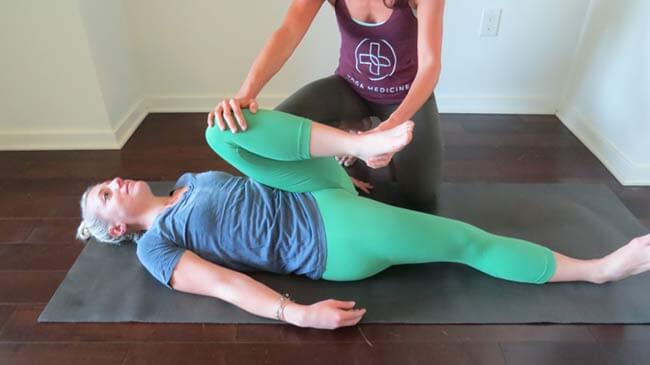
Core Engagement for Back Pain, Why Your Core Exercises Are Not Working

Doing core exercises but still feeling weak or dealing with back pain? Learn how proper core engagement improves support, reduces strain, and makes your workouts more effective.

Core Not Working? You Might Be Doing This

Doing core exercises but still feeling weak or dealing with back pain can be frustrating. Many people think they just need to do more—but in reality, the problem is often how the core is being used.

If your core isn’t engaging properly, your body doesn’t get the support it needs. This can lead to poor results and even more strain on your back.

Why Your Core Exercises Are Not Working

The core is meant to support your spine and control movement. But if it’s not engaged properly, other areas—like your lower back—end up doing more work.

A common mistake is pushing the stomach outward during exercises. While it may feel like effort, it actually reduces support and increases pressure on your body.

When this happens:
• your core isn’t stabilizing your spine
• your lower back takes on more strain
• movements become less controlled
• exercises become less effective

This is why some people don’t see results—even if they’re consistent.

The Common Mistake Most People Make

One of the most common issues is something called “doming,” where the stomach pushes outward during movement.

This usually means the deeper core muscles are not working properly.

Instead of supporting your body, this pattern:
• increases pressure in the wrong areas
• reduces stability
• puts more strain on your back
• limits progress in your exercises

It’s not about working harder—it’s about working correctly.
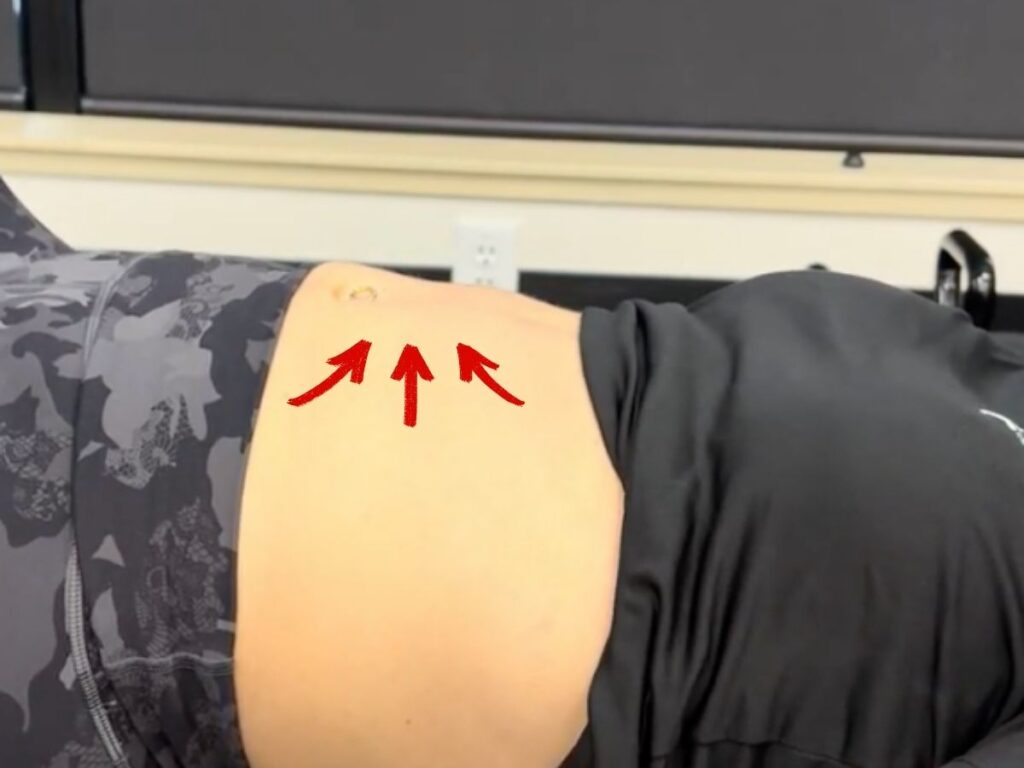
The Common Mistake Most People Make (Doming)

How to Properly Engage Your Core

Proper core engagement is simple—but it needs to be done with control.

Instead of pushing your stomach out, gently draw your stomach inward while keeping your breathing natural. The goal is to feel your core activate without bulging outward.

Good core engagement should feel:
• controlled, not forced
• stable, not tense
• supportive, not straining

When done correctly, your core helps protect your spine and improves how your body moves.
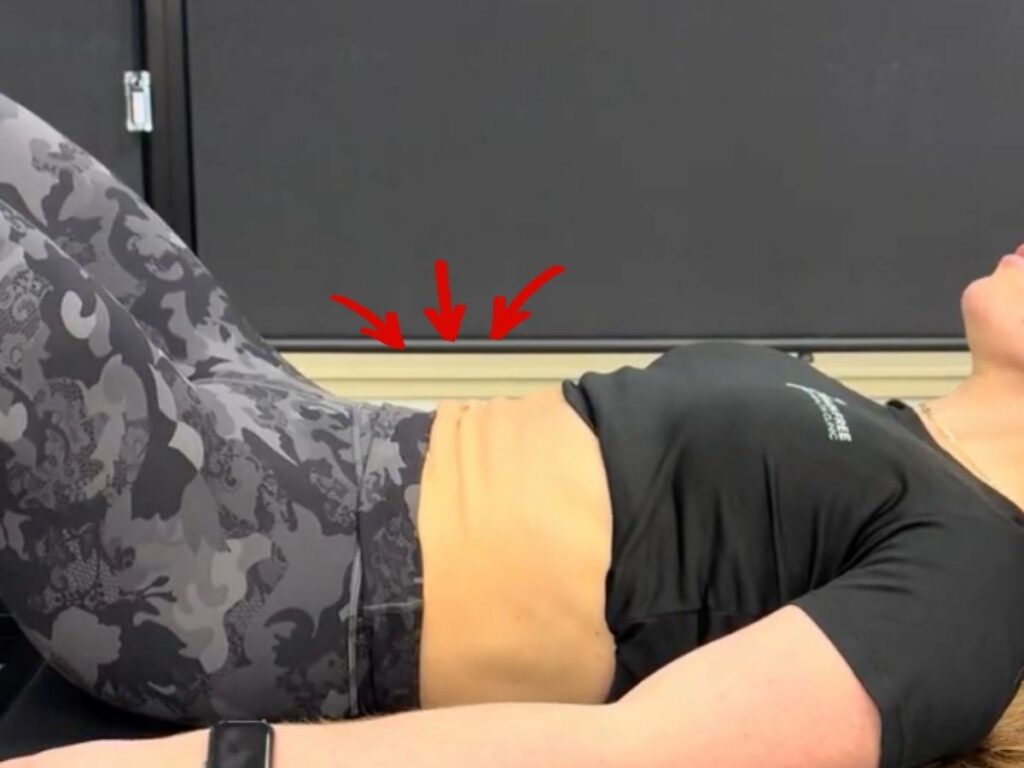
How To Properly Engage Your Core
How to Properly Engage Your Core

Why Proper Core Engagement Matters

When your core is working the right way, everything else becomes more effective.

It may help:
• support your lower back during movement
• improve control and stability
• reduce strain on your body
• make your exercises more effective

This is why proper engagement is more important than just doing more reps.

Why You’re Not Seeing Results Yet

If your core isn’t engaged properly, your body will keep compensating.

This means:
• your progress stays the same
• your back may feel more strain
• your movements stay inefficient
• your results are limited

Fixing your core engagement is often the missing step.

Who Can Benefit From This

Improving core engagement can help individuals who are experiencing:
• ongoing back pain
• weakness during core exercises
• poor control during movement
• lack of progress in workouts
• discomfort during daily activities

Learning proper technique can make a noticeable difference.

Final Thoughts

If your core exercises aren’t working, the issue might not be your effort—it’s your technique.

Small changes in how you engage your core can improve your results, reduce strain, and help your body move better.

Fixing this first can make everything else more effective.

Take the Next Step Toward Better Movement

If you’re still feeling weak or dealing with back pain, a proper assessment can help identify what’s missing and guide the right approach.

At Pain Free Health Clinic, we help patients improve strength, reduce pain, and move with better control.

Pain Free Health Clinic provides services in:
Richmond
Ladner
Surrey
Langley

Book your assessment today and start moving pain-free again.

See the Routine in Action

Want to see how proper core engagement should look?
Watch our videos demonstrating simple techniques to activate your core correctly and improve movement.

Follow Pain Free Health Clinic on YouTube, Instagram, Facebook, and TikTok for more physiotherapy tips and guided routines.

Why Hip Strength and Flexibility Matter More as You Age

As we get older, maintaining mobility, balance, and independence becomes increasingly important. One of the most overlooked, yet critical areas of the body in this process is the hips.

Strong and flexible hips play a key role in how we walk, stand, sit, and move safely. When hip strength and mobility decline, it can lead to pain, stiffness, poor balance, and an increased risk of falls.

The good news is that with the right approach, hip function can be maintained and even improved at any age.

Why Hip Strength And Flexibility Matter More As You Age
Why Hip Strength and Flexibility Matter More as You Age

Why the Hips Are So Important

The hips act as a central link between the upper and lower body. They are responsible for:

When the hips are functioning well, movement feels easier and more efficient. When they are not, other areas like the lower back and knees, often compensate.

What Happens to the Hips as We Age?

1. Muscle Weakness

The muscles around the hips, especially the glutes, tend to weaken over time, particularly with reduced activity.

2. Decreased Flexibility

Tightness in the hip flexors, hamstrings, and surrounding muscles can limit movement and contribute to stiffness.

3. Reduced Balance and Stability

Weak hips can make it harder to stabilize during walking or standing, increasing fall risk.

4. Joint Wear and Tear

Conditions such as osteoarthritis can lead to pain, stiffness, and reduced range of motion.

Common Problems Linked to Weak or Tight Hips

Poor hip strength and mobility can contribute to:

Addressing hip function early can help prevent these issues from becoming more serious.

The Importance of Hip Strengthening

Strengthening the hip muscles helps:

Strong hips allow your body to move more efficiently and safely, especially during everyday activities.
The Importance of Stretching and Mobility

Flexibility is just as important as strength.

Regular stretching helps:

A combination of strength and flexibility is key for maintaining long-term mobility.

How Physiotherapy Helps Improve Hip Function

At Pain Free Health Clinic, we take a comprehensive approach to improving hip strength and mobility. Every treatment plan is tailored to the individual’s needs, goals, and activity level.

Our Approach at Pain Free Health Clinic

Targeted Exercise Programs

We design personalized programs that focus on:

  • Hip strengthening (glutes, hip stabilizers)
  • Balance and stability training
  • Functional movements for daily activities
Stretching and Mobility Work

We guide patients through safe and effective stretches to:

  • Improve flexibility
  • Reduce stiffness
  • Restore normal movement patterns
Trigger Point Therapy

Manual therapy techniques help:

  • Release tight muscles
  • Reduce pain and tension
  • Improve muscle activation
Dry Needling

Dry needling is used to:

  • Target deep muscle tightness
  • Improve blood flow
  • Reduce pain and muscle dysfunction
Shockwave Therapy

For more persistent or chronic issues, shockwave therapy can:

  • Stimulate tissue healing
  • Reduce pain
  • Improve mobility in affected areas

Who Can Benefit from Hip-Focused Physiotherapy?

Hip strengthening and mobility work is beneficial for:

The Long-Term Benefits

Improving hip strength and flexibility can lead to:

✔ Better balance and reduced fall risk
✔ Increased mobility and independence
✔ Reduced pain in the hips, knees, and back
✔ Improved confidence in daily activities
✔ Better overall quality of life

Final Thoughts

Aging doesn’t mean losing mobility, but it does require a more intentional approach to maintaining it.

By focusing on hip strength and flexibility, you can continue to move safely, comfortably, and confidently.

At Pain Free Health Clinic, we help patients build stronger, more mobile bodies through personalized physiotherapy programs that support long-term health and independence.

Stay Strong, Stay Mobile

If you’re experiencing stiffness, weakness, or difficulty with movement, physiotherapy can help.

Book your assessment with Pain Free Health Clinic today and take the first step toward better mobility and long-term health.

Why Shockwave Therapy Is So Effective for Plantar Fasciitis

Plantar fasciitis is one of the most common causes of heel pain, affecting people of all activity levels, from runners and athletes to individuals who spend long hours on their feet. While rest, stretching, and footwear changes can help, symptoms often become persistent or return without targeted treatment.

One therapy that has shown strong results for chronic plantar fasciitis is shockwave therapy. When used appropriately and combined with physiotherapy, it can significantly reduce pain and improve long-term recovery.

What Is Plantar Fasciitis?

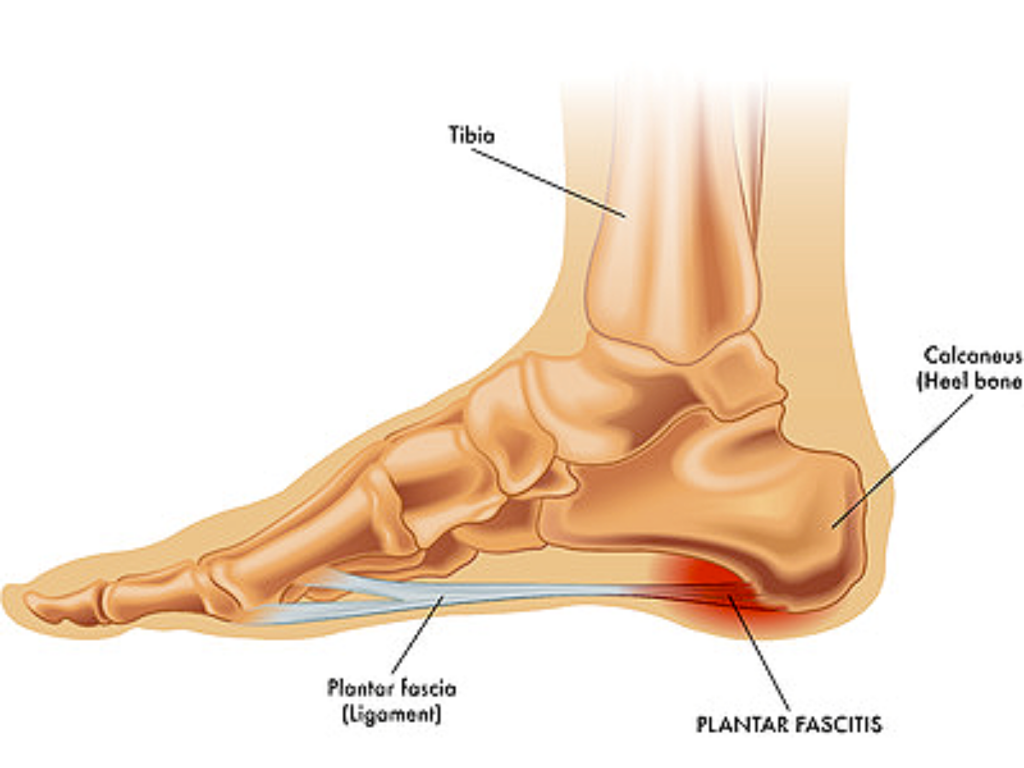
Plantar fasciitis involves irritation and degeneration of the plantar fascia, a thick band of connective tissue that runs along the bottom of the foot and supports the arch.

Common symptoms include:

Contrary to popular belief, plantar fasciitis is often not inflammatory, but rather a form of tendinopathy, where the tissue struggles to heal properly.

What Is Plantar Fasciitis?

What Is Shockwave Therapy?

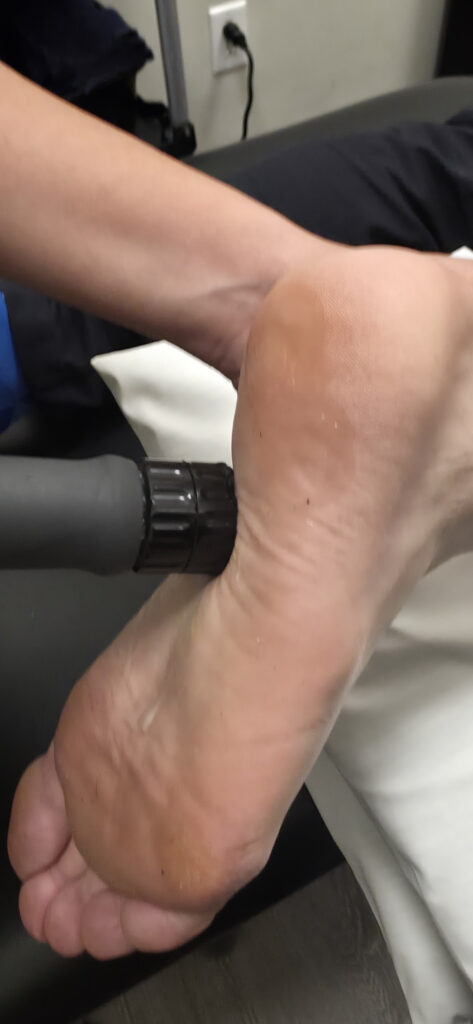
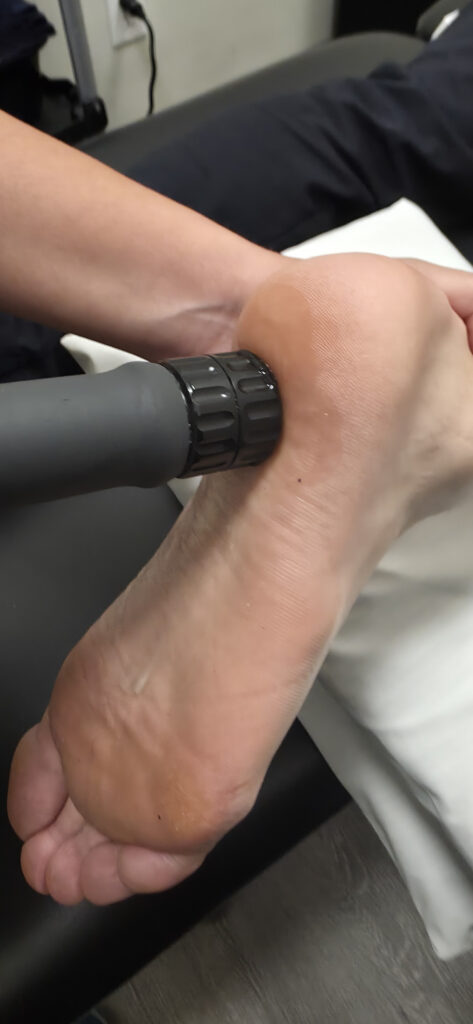
Shockwave therapy, also known as extracorporeal shockwave therapy (ESWT), uses controlled acoustic waves applied to the affected tissue.

These sound waves stimulate the body’s natural healing processes by:

It is non-invasive and typically requires no downtime.

Why Shockwave Therapy Works So Well for Plantar Fasciitis

1. Stimulates Healing in Degenerated Tissue

Plantar fasciitis often persists because the tissue has poor blood supply and limited healing capacity. Shockwave therapy helps “restart” the healing process by increasing circulation and cellular activity in the plantar fascia.

2. Breaks the Chronic Pain Cycle

Chronic heel pain can alter nerve signaling and pain perception. Shockwave therapy helps reduce nerve hypersensitivity, allowing patients to move more comfortably and tolerate rehabilitation exercises.
3. Improves Tissue Quality

Shockwave therapy encourages collagen remodeling, which improves the strength and elasticity of the plantar fascia, reducing the risk of recurrence.

4. Effective for Long-Standing Cases

Research has shown shockwave therapy to be especially effective for chronic plantar fasciitis that has not responded to rest, stretching, or orthotics alone.

Why Shockwave Therapy Works So Well For Plantar Fasciitis
Why Shockwave Therapy Works So Well for Plantar Fasciitis

Why Shockwave Therapy Alone Is Not Enough

While shockwave therapy is powerful, it works best when combined with a comprehensive physiotherapy program.

Plantar fasciitis often develops due to:

Without addressing these contributing factors, pain may return.

How We Use Shockwave Therapy at Pain Free Health Clinic

At Pain Free Health Clinic, shockwave therapy is integrated into a personalized treatment plan, not used as a stand-alone solution.

Our approach includes:

✔ Thorough Assessment

We evaluate:

✔ Targeted Shockwave Therapy

Shockwave is applied directly to the plantar fascia and surrounding structures to stimulate healing and reduce pain.

✔ Progressive Exercise Therapy

We guide patients through:

✔ Education & Load Management

We provide guidance on:

This combination helps ensure long-lasting results, not just short-term relief.

How We Use Shockwave Therapy At Pain Free Health Clinic
How We Use Shockwave Therapy at Pain Free Health Clinic

What to Expect During Treatment

Who Is a Good Candidate for Shockwave Therapy?

Shockwave therapy is especially beneficial for:

Your physiotherapist will determine if it’s appropriate for your condition.

Final Thoughts

Shockwave therapy is effective because it addresses the underlying tissue healing problem, not just the symptoms. When combined with proper physiotherapy, it can significantly improve pain, function, and long-term foot health.

At Pain Free Health Clinic, we use shockwave therapy as part of a comprehensive, movement-based approach to help patients get back on their feet, comfortably and confidently.

Take the Next Step Toward Heel Pain Relief

If heel pain is limiting your daily activities, shockwave therapy combined with physiotherapy may be the solution.

Book your assessment at Pain Free Health Clinic today and start moving pain-free again.

ArthroStim Therapy for Low Back Pain

Gentle, Targeted Relief at Pain Free Health

ArthroStim therapy for low back pain at Pain Free Health in Richmond, Ladner, Queensborough, South Surrey & Langley. Gentle, precise spinal mobilization to reduce pain, restore motion, and improve function. Book a physiotherapy assessment today.

Low back pain is one of the most common reasons patients seek physiotherapy. At Pain Free Health, we offer advanced treatment options, including the ArthroStim, to gently restore mobility, reduce pain, and improve spinal function.

If you’re searching for physiotherapy for low back pain in Richmond, Ladner, Queensborough, South Surrey, or Langley, this guide explains how ArthroStim may help.

What Is ArthroStim?

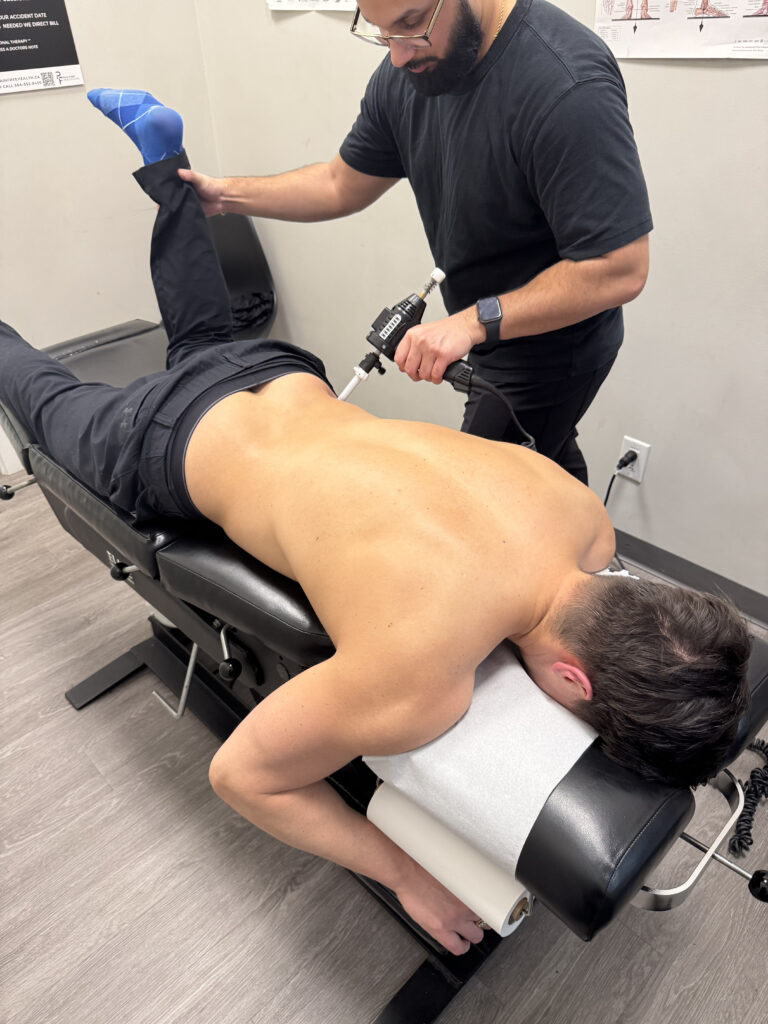
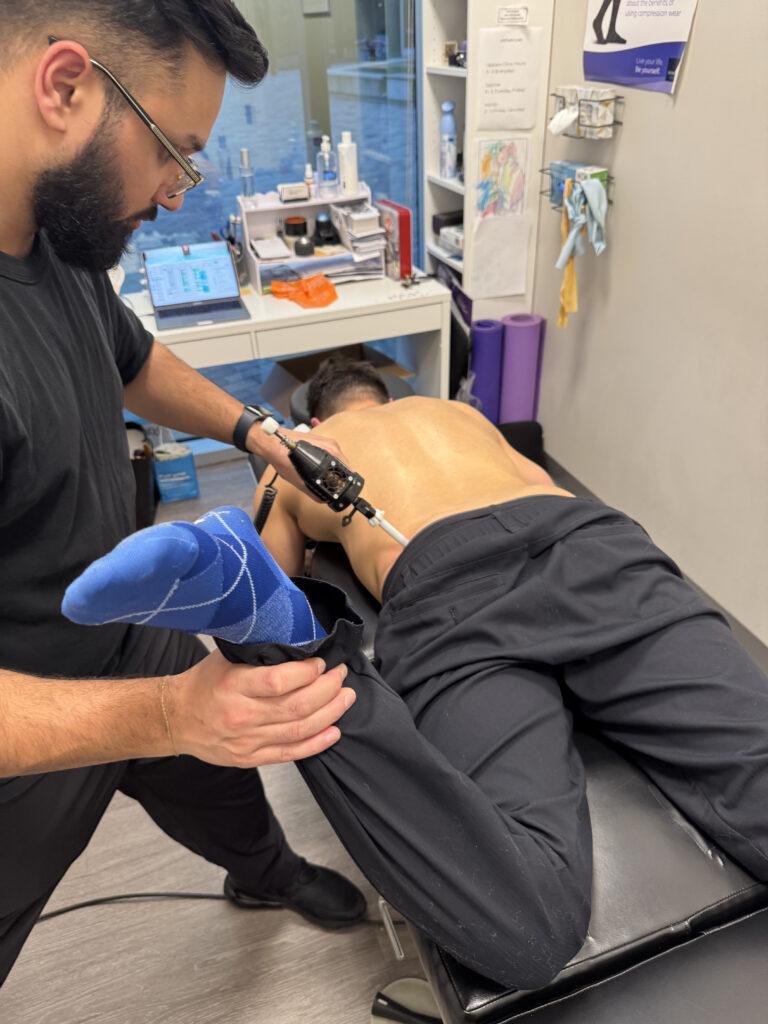
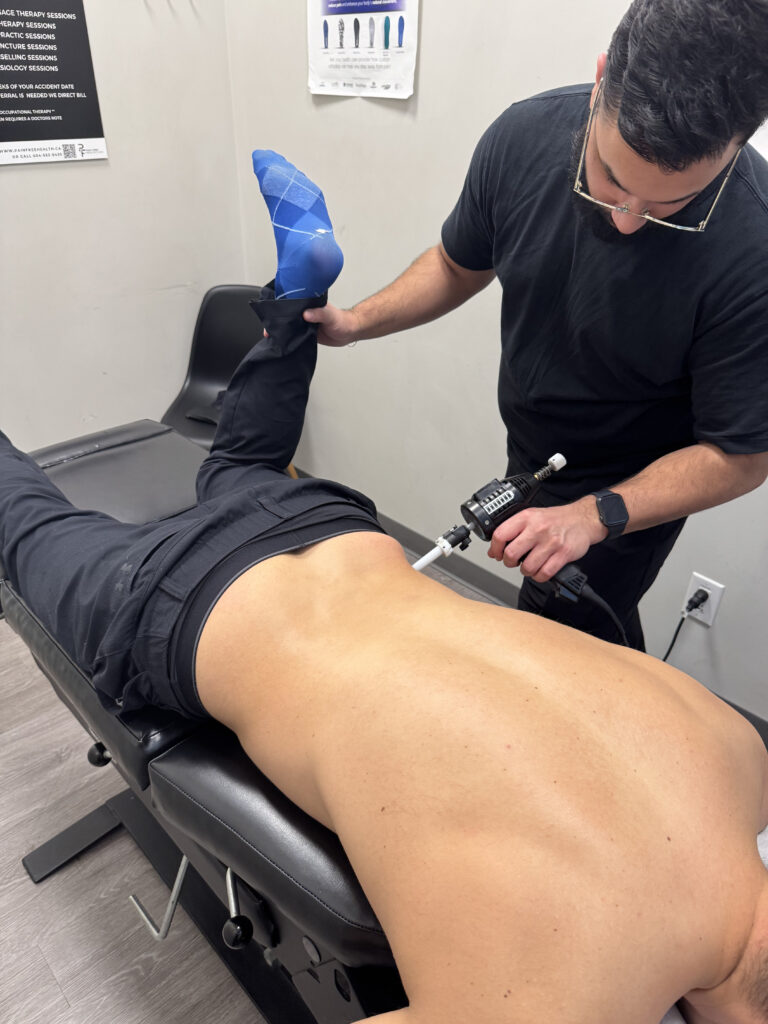
ArthroStim is a handheld, precision-based instrument that delivers rapid, controlled impulses to specific spinal segments.

Unlike traditional manual thrust techniques, ArthroStim provides:

It is comfortable, precise, and well-tolerated, especially for patients who prefer a gentle treatment approach.

What Is Arthrostim?
What Is ArthroStim?

How ArthroStim Helps Low Back Pain

Low back pain often involves:

ArthroStim delivers quick, targeted impulses to restricted lumbar segments, which may:

✔ Improve joint mechanics

✔ Decrease muscle hypertonicity

✔ Reduce localized inflammation

✔ Improve range of motion

✔ Modulate pain signaling

Many patients report immediate improvements in mobility following treatment.

How Arthrostim Helps Low Back Pain
How ArthroStim Helps Low Back Pain

Who Is a Good Candidate?
You may benefit from ArthroStim therapy if you:

It is commonly integrated with:

At Pain Free Health, we combine technology with active rehabilitation — not passive treatment alone.

ArthroStim for Low Back Pain in Our Clinic Locations

Richmond Physiotherapy – ArthroStim Treatment

If you are searching for physiotherapy for low back pain in Richmond, Pain Free Health offers precise ArthroStim spinal mobilization combined with corrective exercise to restore lumbar stability and prevent recurrence.

Ladner Low Back Pain Therapy

Patients in Ladner experiencing stiffness or disc-related irritation may benefit from ArthroStim’s controlled, low-force spinal treatment approach.

Queensborough Physiotherapy for Back Pain

Our Queensborough clinic integrates ArthroStim therapy with structured rehabilitation to address both joint mobility and muscular strength.

South Surrey Gentle Spinal Mobilization

Low back pain in South Surrey? ArthroStim allows for comfortable, segment-specific mobilization without aggressive manipulation.

Langley Low Back Physiotherapy

Pain Free Health Langley provides instrument-assisted spinal mobilization for lumbar dysfunction, postural strain, and chronic stiffness.

What to Expect During Treatment

A typical ArthroStim session includes:

  1. Comprehensive lumbar assessment
  2. Identification of restricted segments
  3. Targeted instrument-assisted mobilization
  4. Reinforcement with corrective exercises

Treatment is brief, comfortable, and efficient.

What To Expect During Treatment
What to Expect During Treatment

Why Early Treatment Matters

One of the biggest mistakes patients make is waiting too long.

Acute stiffness can develop into chronic dysfunction if mobility is not restored early. The goal is simple:

  1. Restore motion.
  2. Reduce irritation.
  3. Build stability.
  4. Prevent recurrence.

At Pain Free Health, we focus on long-term outcomes!

Book an Assessment Today

If you are experiencing low back pain and want a precise, comfortable treatment option, ArthroStim therapy may be appropriate for you.

Pain Free Health proudly serves:

Richmond

Ladner

Queensborough

South Surrey

Langley

Book your physiotherapy assessment today and take the first step toward moving pain-free again.

Tennis Elbow & Golfer’s Elbow: Why They Happen and How Physiotherapy Helps

Elbow pain is a common musculoskeletal condition that affects not only athletes, but also office workers, tradespeople, and active adults. Two of the most frequent causes are tennis elbow and golfer’s elbow.

Despite their names, you don’t need to play tennis or golf to develop these conditions. Both are typically caused by overuse, repetitive strain, and poor load management of the forearm muscles and tendons.

What Is Tennis Elbow?

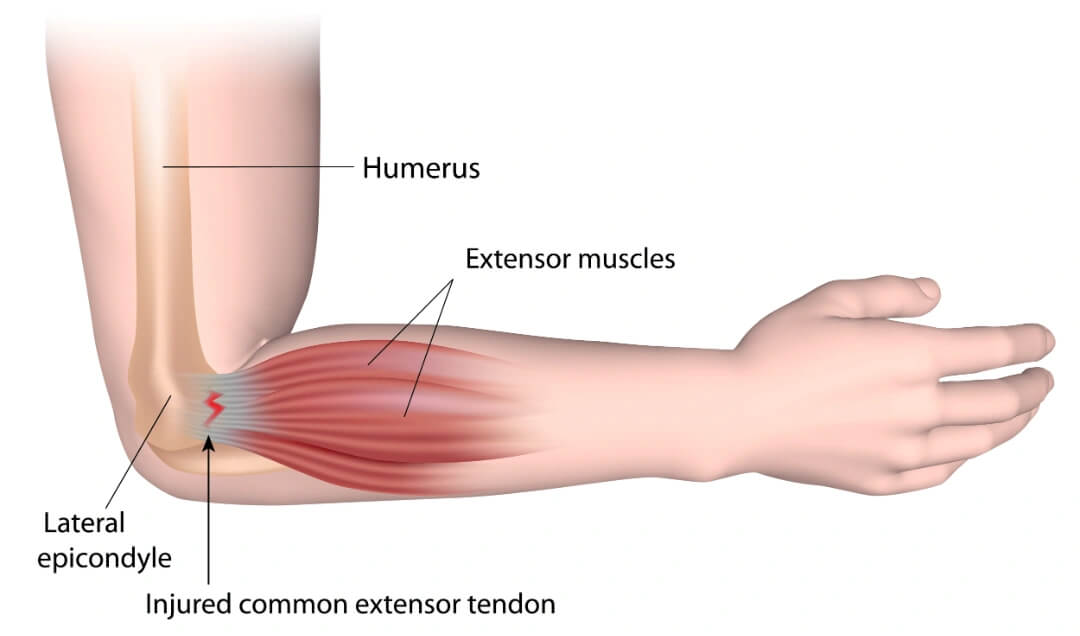
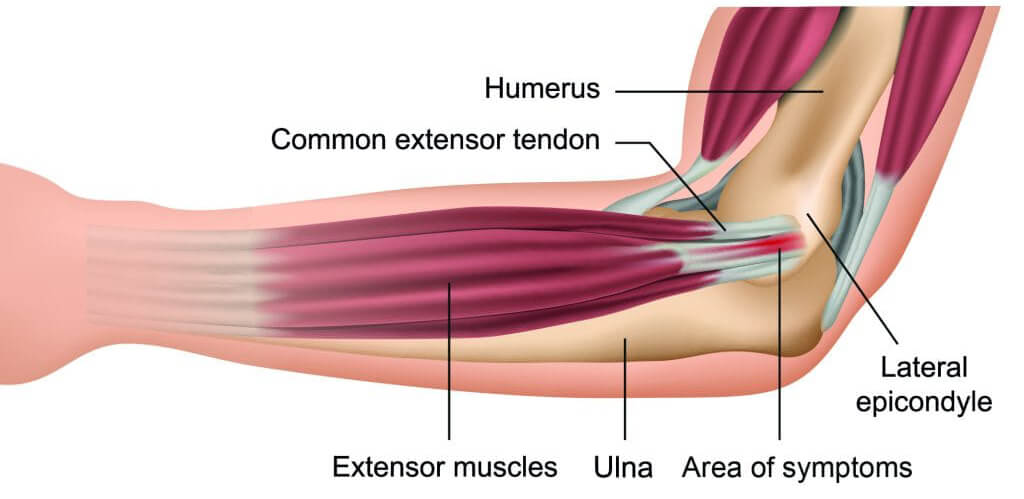
Tennis elbow, also known as lateral epicondylitis, causes pain on the outside of the elbow.

It involves irritation or degeneration of the tendons that attach the forearm extensor muscles to the elbow. These muscles are responsible for gripping, lifting, and wrist extension.

Common activities linked to tennis elbow:

Tennis Elbow
Tennis Elbow

What Is Golfer’s Elbow?

Golfer’s elbow, or medial epicondylitis, causes pain on the inside of the elbow.

It affects the tendons of the forearm flexor muscles, which help with gripping, wrist flexion, and forearm rotation.

Common activities linked to golfer’s elbow:

Golfer’s Elbow
Golfer’s Elbow

Why Do These Conditions Develop?

Both tennis and golfer’s elbow are forms of tendinopathy, not acute inflammation.

They develop when:

Over time, the tendon’s ability to heal breaks down, leading to pain, stiffness, and reduced strength.

Common Symptoms

Symptoms may include:

Ignoring symptoms often leads to longer recovery times.

How Physiotherapy Helps Tennis & Golfer’s Elbow

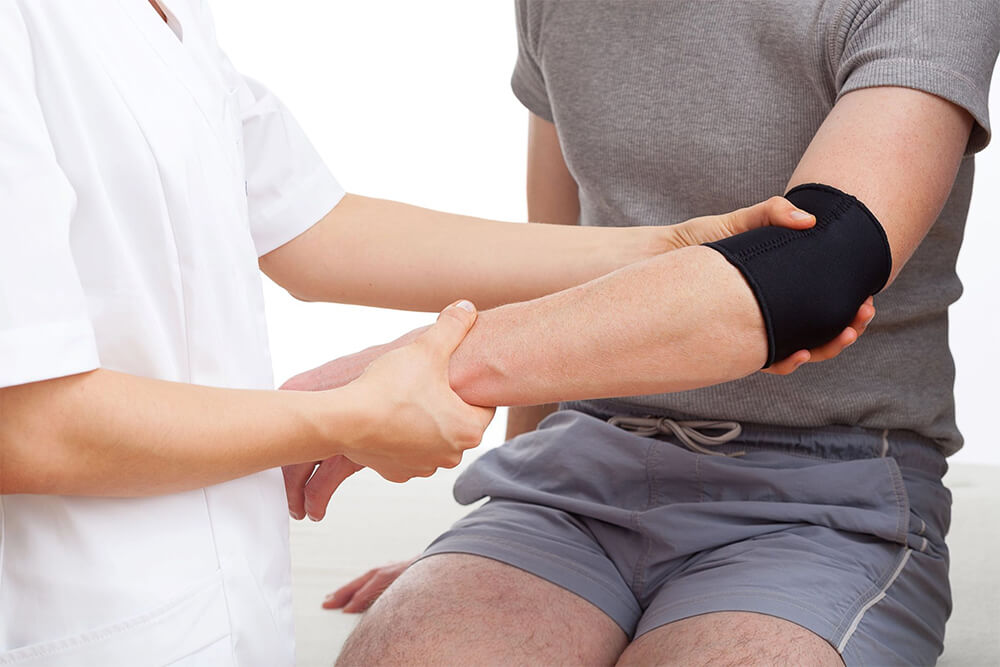
Physiotherapy focuses on addressing the root cause, not just reducing pain.

1. Reducing Pain and Tendon Irritation

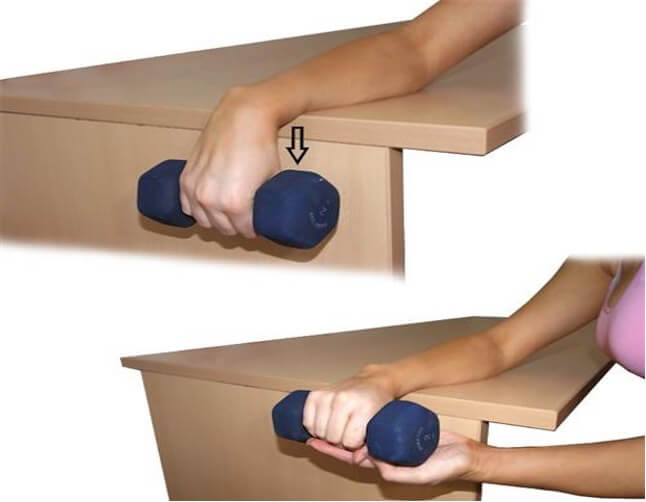
Treatment may include:

2. Strengthening the Forearm and Upper Limb

Progressive strengthening helps:

This often includes wrist, forearm, shoulder, and scapular strengthening.

3. Improving Mobility and Mechanics

Physiotherapy addresses:

Poor mechanics elsewhere often overload the elbow.

4. Gradual Return to Activity

Rather than complete rest, physiotherapy uses graded exposure to:

How Physiotherapy Helps Tennis &Amp; Golfer’s Elbow
How Physiotherapy Helps Tennis & Golfer’s Elbow

Why Rest Alone Isn’t Enough

 While short-term rest may reduce pain, it doesn’t restore tendon strength. Without proper rehabilitation:

Physiotherapy provides a structured, progressive plan for recovery.

Why Rest Alone Isn’t Enough

Who Is Most at Risk?

When Should You Seek Physiotherapy?

Consider professional care if:

Early treatment leads to faster and more complete recovery.

How We Can Help

Our physiotherapy approach is designed to:

Whether your elbow pain started from sport, work, or daily activities, proper rehabilitation can make a significant difference.

Take the First Step Toward Elbow Pain Relief

Tennis elbow and golfer’s elbow don’t have to become chronic problems. With the right guidance, most people recover fully and return to normal activities.

Book your physiotherapy assessment today and start moving pain-free again.

A Closer Look at the 49ers’ Injury History and the Electrical Substation Theory Ahead of Super Bowl LX

In recent years, the San Francisco 49ers have drawn attention not only for their on-field success, but also for an unusually high number of player injuries. As this pattern has continued, discussion has emerged around a controversial and widely debated topic: the presence of an electrical substation located near the 49ers’ stadium and practice facilities.

As the Super Bowl approaches and preparation decisions come under greater scrutiny, this theory has gained traction; raising questions about injury patterns, environment, and whether correlation is being mistaken for causation.

This article breaks down what the theory claims, what the data actually shows, and what medical experts say.

A Season Plagued by Injuries

The 49ers’ most recent campaign has again been characterized by injuries to key starters, including:

Extended absences from cornerstone players have led to stretches where the roster appeared unusually depleted compared to league norms, further fueling questions about why injuries continue to affect this team at such a high rate.

A Season Plagued By Injuries
A Season Plagued by Injuries

Consistently High Injury Rates (2018–2024)

When looking beyond a single season, the data becomes more compelling.

According to injury analyses using Adjusted Games Lost (AGL) and total games missed due to injury, the 49ers have been among the most injury-affected teams in the NFL over much of the past decade:

This means the 49ers ranked in the top 10 for injury impact in six of seven seasons between 2018 and 2024 — a notable pattern exists here when compared to many other NFL franchises.

Consistently High Injury Rates (2018–2024)

Adjusted Games Lost (AGL): Why It Matters

AGL is one of the most respected ways to measure injury impact because it reflects how much total playing time a team loses, not just the number of injuries.

In 2024, AGL data showed the 49ers had the worst injury impact in the league, meaning they lost more combined player availability than any other team.

Even in seasons where they weren’t ranked first, the injuries often involved high-impact starters, compounding their effect on performance and continuity.

The Electrical Substation Theory — What’s Being Claimed

 As injury trends continued, a theory gained traction online, suggesting that:

The theory gained momentum through social media discussion and casual comments from former players, amplifying speculation during periods of heavy injury accumulation.

The Electrical Substation Theory — What’s Being Claimed

What Medical Experts Say

From a medical and scientific perspective, it’s important to be clear:

There is currently no peer-reviewed research demonstrating that EMF exposure at levels produced by electrical substations causes muscle, tendon, or ligament injuries in humans.

Experts emphasize that:

This is a classic example of an important principle in healthcare and science:

Correlation does not equal causation.

A repeated pattern may warrant curiosity, but it does not confirm a cause.

Why the Conversation Continues

 Despite the lack of scientific support, the theory persists for understandable reasons:

In elite sports, teams routinely examine every variable, even those that ultimately prove insignificant, in the interest of player safety.

Why The Conversation Continues
Why the Conversation Continues

Practice Facility Decisions Add to the Conversation

Adding to the intrigue surrounding the theory, both Super Bowl teams, the Seattle Seahawks and the New England Patriots have chosen not to practice at the 49ers’ Santa Clara facility, which sits near the electrical substation.

Instead, each team has opted for alternative practice locations in the Bay Area.

It’s important to note that this decision does not confirm or validate the theory, and teams often choose practice sites based on logistics, privacy, routine, or preference. However, the choice has been widely discussed in NFL media and has contributed to ongoing speculation when considering the 49ers’ documented injury history.

From a public perception standpoint, these decisions have added another layer to an already complex narrative, reinforcing why the topic continues to generate attention despite a lack of scientific evidence.

What Experts Point to Instead

 Most sports medicine professionals attribute NFL injury rates to well-established factors such as:

These contributors have far stronger evidence supporting their role in injury risk than environmental EMF exposure.

What Experts Point To Instead
What Experts Point to Instead

What This Means for Fans and the Narrative

The electrical substation theory has become a compelling storyline, especially when paired with the 49ers’ documented injury history. However:

In short, the theory is intriguing, but remains speculative.

Final Thoughts

The 49ers’ injury history over the past decade is real, measurable, and unusual in its consistency. That reality provides context for why alternative explanations, including environmental factors, continue to surface.

At the same time, current medical evidence does not support the electrical substation as a causative factor. As with many topics in sports science, continued research, transparency, and data-driven analysis remain essential.

For now, the electrical substation theory stands as an interesting discussion point, not a substantiated explanation — while the broader challenge of injury prevention in elite football continues to evolve.

George Springer’s Oblique Injury & What It Reveals About QL Overuse in Baseball

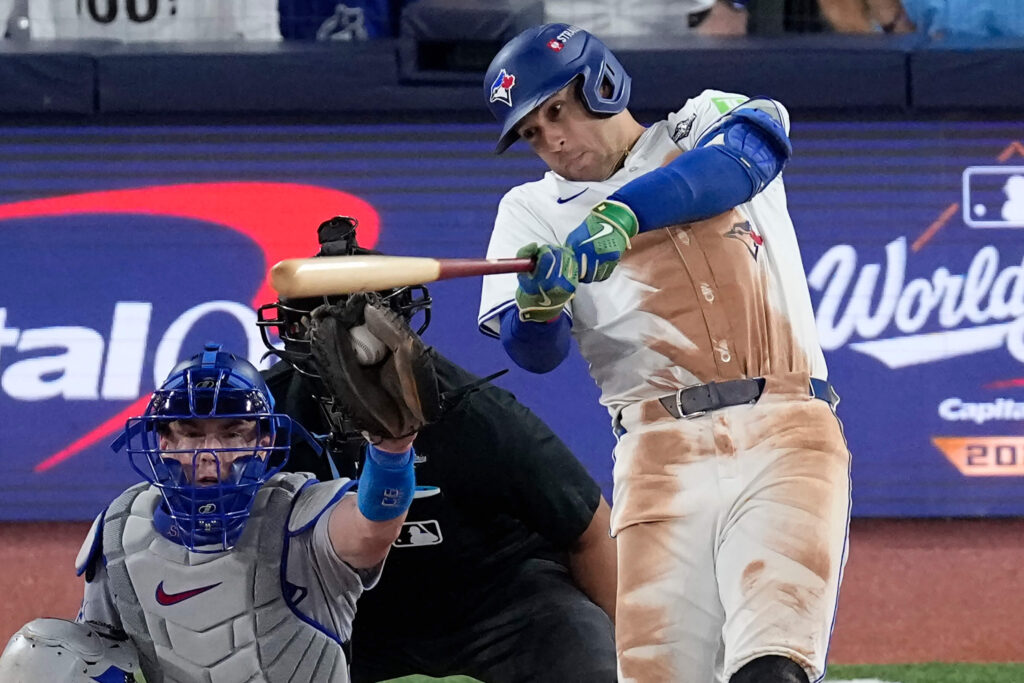
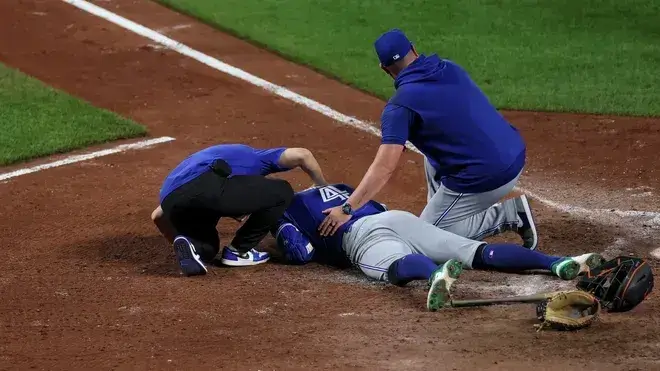
During Game 3 of the World Series, Toronto Blue Jays outfielder George Springer exited the game after experiencing an oblique injury while swinging. Oblique injuries are well known in baseball, but they rarely occur in isolation.

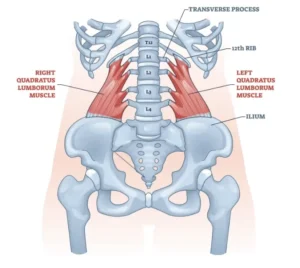
While Springer’s reported injury involved the oblique muscles, this situation provides an important opportunity to discuss another commonly overworked and overlooked muscle in baseball players: the quadratus lumborum (QL).

This article is not diagnosing George Springer. Instead, it explains why QL overuse frequently accompanies oblique injuries in baseball and other one-sided sports.

Baseball Is a One-Sided Sport by Design

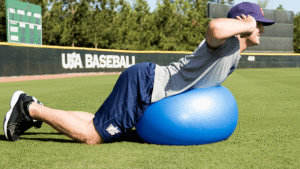
 Baseball involves repeated, high-velocity movements in the same direction:

Over time, this creates asymmetrical loading of the trunk and pelvis. One side consistently works harder, increasing the risk of overuse injuries.

Baseball Is A One-Sided Sport By Design
Baseball Is a One-Sided Sport by Design

How the Obliques and QL Work Together

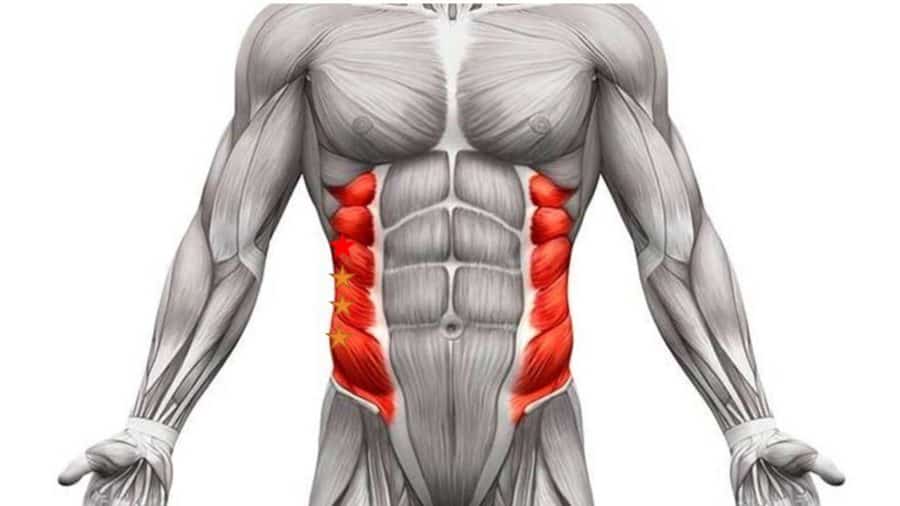
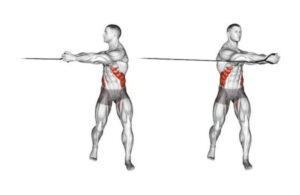
The obliques and quadratus lumborum function as part of the body’s lateral core system.

Together, they:

When one muscle becomes fatigued or injured, such as the obliques, the QL often compensates, increasing its workload.

Obliques
Obliques
Ql Work Together
QL Work Together

Why QL Overuse Is Common in Baseball Players

The QL is especially active during:

In a right-handed batter, for example, one side of the QL consistently absorbs more force. Over thousands of repetitions, this can lead to:

Why Ql Overuse Is Common In Baseball Players
Why QL Overuse Is Common in Baseball Players

Why QL Issues Often Go Undiagnosed

QL irritation is frequently described as:

Because it’s a deep muscle and often doesn’t show clearly on imaging, QL dysfunction may go unreported or grouped under oblique or back injuries.

The Oblique–QL Relationship in Injury

When an oblique injury occurs:

This is why addressing only the obliques without assessing the QL, hips, and pelvis may leave athletes vulnerable to reinjury.

One-Sided Sports Share the Same Risk Pattern

This isn’t unique to baseball. Similar patterns occur in:

Golf
golf
Tennis
tennis
Hockey
hockey
Cricket
Cricket
Throwing Sports
Throwing sports

Any sport that emphasizes repeated rotation in one direction places athletes at risk for trunk asymmetry and QL overload.

How QL & Oblique Injuries Are Managed Clinically

Effective management goes beyond rest. A comprehensive approach includes:

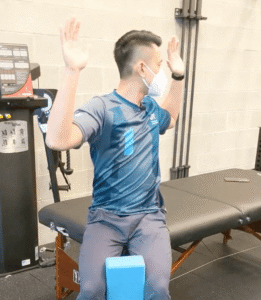
Assessing Rotational Mechanics
Assessing rotational mechanics
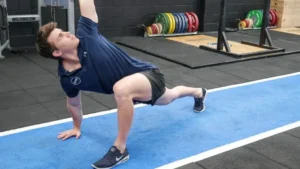
Restoring Hip And Thoracic Mobility
Restoring hip and thoracic mobility
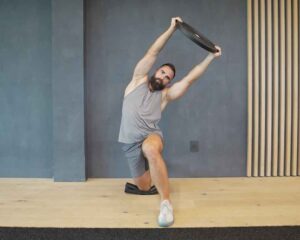
Improving Lateral Core Strength
Improving lateral core strength
Addressing Side-To-Side Imbalances
Addressing side-to-side imbalances
Gradual Return To Rotational Loading
Gradual return to rotational loading
Sport-Specific Movement Retraining
Sport-specific movement retraining

What Athletes Can Learn From This

The key takeaway for baseball players and rotational athletes is simple:

Oblique injuries rarely happen alone.
The QL plays a critical role in trunk stability, force transfer, and injury prevention, especially in one-sided sports.

Ignoring asymmetry increases the risk of recurring trunk and lower-back injuries.

Our Approach to Rotational Sports Injuries

At our clinic, we work with athletes to:
 ✔ Identify asymmetrical trunk loading
 ✔ Assess QL, oblique, and hip function
 ✔ Restore rotational efficiency
 ✔ Reduce injury risk
 ✔ Improve performance longevity

Final Thoughts

George Springer’s oblique injury highlights how demanding rotational sports can be on the body. While the injury itself involved the obliques, it underscores the importance of evaluating the entire lateral core system, including the quadratus lumborum.

Proper assessment, balanced training, and early intervention are essential for athletes at all levels.

Arthritis Management Without Surgery: How to Stay Active & Reduce Pain

Arthritis is one of the most common causes of joint pain and stiffness, especially as we age. For many people, hearing the word “arthritis” leads to concerns about injections or surgery. While surgery is sometimes necessary, many people successfully manage arthritis without surgery and continue living active, independent lives.

Understanding your options can make a significant difference in how you move and feel each day.

Arthritis Management Without Surgery: How To Stay Active &Amp; Reduce Pain
Arthritis Management Without Surgery: How to Stay Active & Reduce Pain

What Is Arthritis?

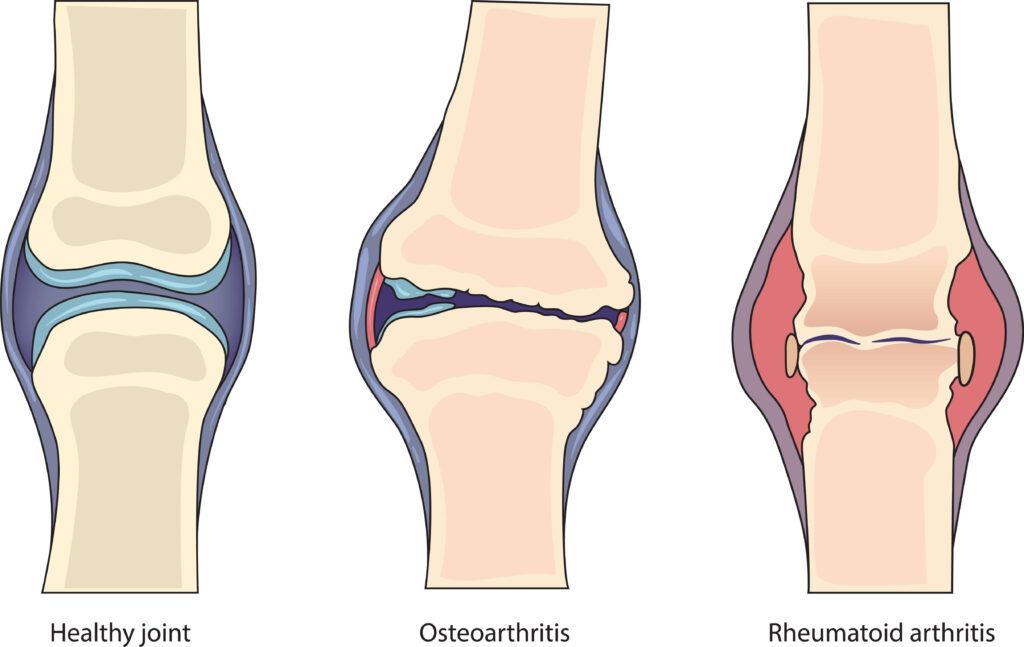
 Arthritis refers to inflammation and degeneration within a joint. The most common forms include:

Although arthritis involves structural joint changes, pain and function are strongly influenced by movement, muscle strength, and lifestyle factors, many of which can be addressed with physiotherapy.

What Is Arthritis
What Is Arthritis

Is Surgery Always Necessary?

In many cases, no. Surgery is typically considered only when:

For most people, arthritis symptoms can be managed effectively with non-surgical strategies, especially when care begins early.

Key Strategies for Managing Arthritis Without Surgery

1. Strengthening the Muscles Around the Joint

Strong muscles reduce stress on arthritic joints. Physiotherapy focuses on strengthening:

Improved muscle support enhances joint stability and often leads to meaningful pain reduction.

Key Strategies For Managing Arthritis Without Surgery
Key Strategies for Managing Arthritis Without Surgery

2. Improving Joint Mobility & Flexibility

 Gentle movement helps:

Contrary to common belief, movement is medicine for arthritis.

Improving Joint Mobility &Amp; Flexibility
Improving Joint Mobility & Flexibility

3. Learning Joint Protection Techniques

Small changes in how you move can significantly reduce joint strain. Physiotherapy education may include:

These techniques help protect joints while allowing you to stay active.

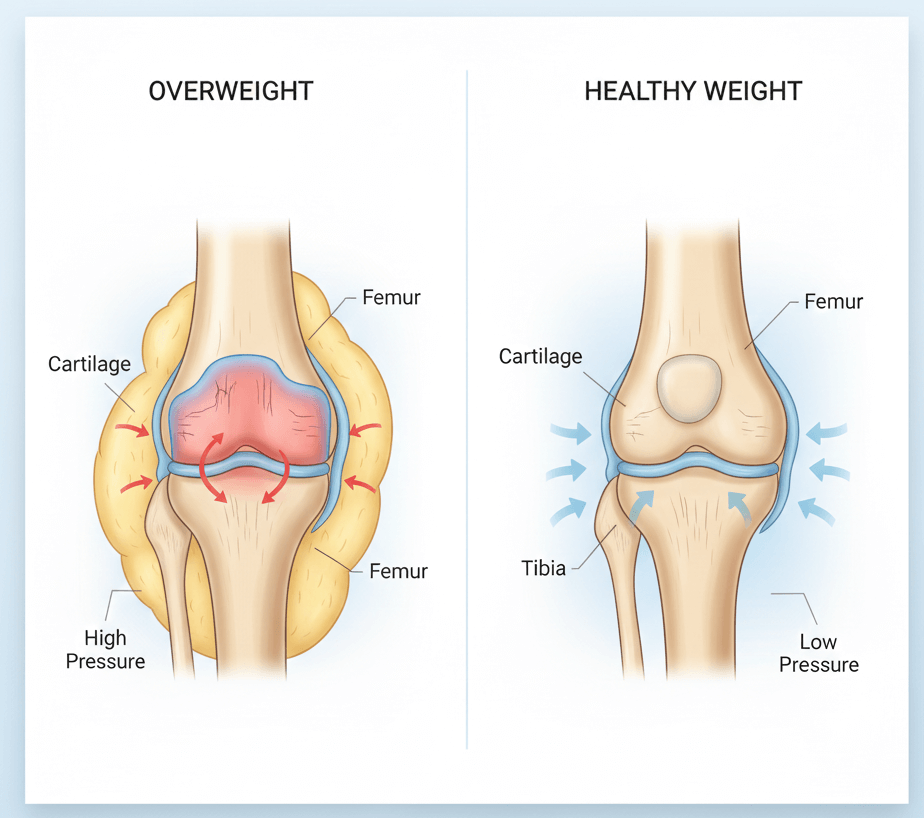
4. Weight Management & Load Reduction

Even modest weight changes can greatly reduce joint stress—especially in weight-bearing joints like the knees and hips. Physiotherapy helps guide safe activity choices that support joint health.

Weight Management &Amp; Load Reduction
Weight Management & Load Reduction

5. Pain & Inflammation Management

 Physiotherapy helps manage pain naturally through:

This reduces reliance on medications whenever possible.

Pain &Amp; Inflammation Management
Pain & Inflammation Management

Effective Exercises for Arthritis Management

Arthritis-friendly exercises are gentle, controlled, and tailored to each individual. Common examples include:

Programs are always adjusted based on symptoms, tolerance, and functional goals.

The Role of In-Home Physiotherapy

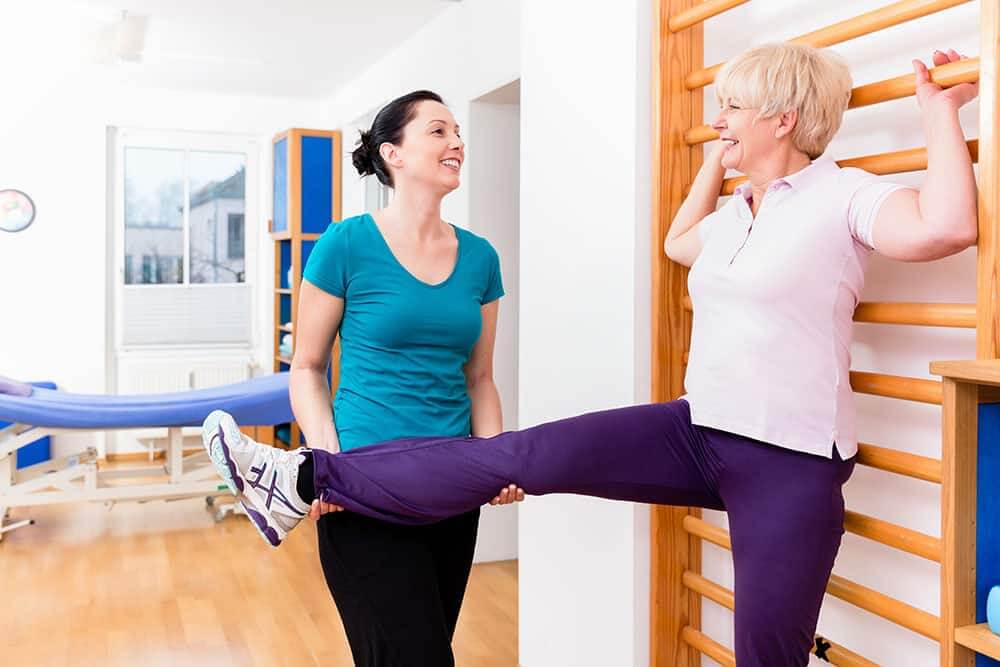
 For many individuals, especially seniors, in-home physiotherapy provides safe and convenient care by:

The Role Of In-Home Physiotherapy
The Role of In-Home Physiotherapy

When Should You Seek Professional Help?

You should consider physiotherapy if:

Early intervention often leads to better long-term outcomes.

How We Help Patients Manage Arthritis

At Pain Free Health, our focus is on restoring function, improving comfort, and supporting long-term independence, not just temporary pain relief.

Across our four clinics serving communities throughout the Lower Mainland, we provide:

✔ Comprehensive joint and movement assessments
 ✔ Customized exercise and mobility programs
 ✔ Pain and flare-up management strategies
 ✔ Education for long-term joint protection
 ✔ Support for confident, active living

Our physiotherapy approach is individualized, evidence-based, and designed to help you stay moving safely.

Take Control of Your Joint Health

Arthritis doesn’t mean you have to stop moving or rush into surgery. With the right guidance, many people manage their symptoms effectively and continue doing the activities they enjoy.

Book your in-home or clinic-based physiotherapy assessment with Pain Free Health today and take the first step toward confident, active living.

Understanding Low Back Pain & How to Manage It Safely

Low back pain is one of the most common reasons people seek physiotherapy and healthcare services, especially as we age. Whether back pain develops suddenly or gradually over time, it can interfere with daily activities, independence, and overall quality of life.

The good news is that most low back pain is manageable and often preventable with the right, conservative approach, including physiotherapy and guided movement care.

Why Low Back Pain Is So Common

The lower back, also known as the lumbar spine, supports much of the body’s weight and allows for essential movements such as bending, lifting, and twisting. Over time, natural wear and tear combined with daily physical stress can lead to discomfort or injury.

Common causes of low back pain include:

1. Muscle Weakness or Imbalance

Weak core, hip, or back muscles place additional strain on the lumbar spine, increasing the risk of pain.

2. Poor Posture

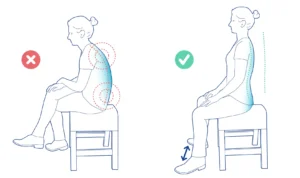
Prolonged sitting, slouching, or standing with poor alignment increases pressure on spinal joints and surrounding tissues.

3. Reduced Mobility

Stiff hips or limited spinal movement force the lower back to compensate, often leading to irritation and inflammation.

4. Arthritis & Degenerative Changes

Age-related conditions such as disc degeneration or spinal arthritis can cause stiffness, soreness, and reduced mobility.

5. Previous Injuries

Old injuries may alter movement patterns and contribute to recurring or chronic back pain.

How Low Back Pain Affects Daily Life

How Low Back Pain Affects Daily Life

 Low back pain can make everyday activities more difficult, including:

As pain increases, people often move less, which can lead to further stiffness, weakness, and ongoing discomfort.

Is Low Back Pain a Normal Part of Aging?

While age-related changes in the spine are common, chronic low back pain is not something you have to “just live with.” Many cases are caused by mechanical and movement-related issues that respond very well to physiotherapy and conservative treatment.

Early assessment and treatment can help prevent short-term pain from becoming a long-term problem.

How Physiotherapy Helps Manage Low Back Pain

Physiotherapy focuses on improving movement, strength, and confidence while reducing pain safely and effectively.

1. Strengthening the Core & Support Muscles

Strengthening The Core &Amp; Support Muscles
Strengthening the Core & Support Muscles

Strong abdominal, hip, and back muscles help stabilize the spine and reduce strain.

2. Improving Flexibility & Mobility

Improving Flexibility &Amp; Mobility
Improving Flexibility & Mobility

Gentle stretching improves movement in the hips and spine, reducing pressure on the lower back.

3. Posture & Movement Education

Posture &Amp; Movement Education
Posture & Movement Education

Learning proper sitting, standing, bending, and lifting techniques protects the spine during daily activities.

4. Pain Reduction Without Medication

Pain Reduction Without Medication

Physiotherapy uses movement-based strategies to reduce inflammation, stiffness, and discomfort naturally.

5. Balance & Stability Training

Balance &Amp; Stability Training
Balance & Stability Training

Improved balance reduces the risk of falls and sudden movements that can trigger back pain.

Safe & Effective Exercises for Low Back Health

When guided by a physiotherapist, exercise is one of the most effective tools for managing low back pain.

Common physiotherapy-guided exercises include:

All exercises are customized to the individual’s comfort, ability, and goals.

The Benefits of In-Home Physiotherapy

 For individuals with limited mobility or busy schedules, in-home physiotherapy provides:

The Benefits Of In-Home Physiotherapy
The Benefits of In-Home Physiotherapy

When Should You Seek Help for Low Back Pain?

Consider seeing a physiotherapist if:

Early treatment often leads to faster recovery and better long-term outcomes.

How We Can Help

Our local in-home physiotherapy programs are designed to:

Low back pain doesn’t have to control your life.

Take the First Step Toward Relief

With the right guidance, most people can move more comfortably and safely again.

Book your in-home physiotherapy assessment today and start your path toward better back health.

Understanding Knee Replacement & How to Prevent It 

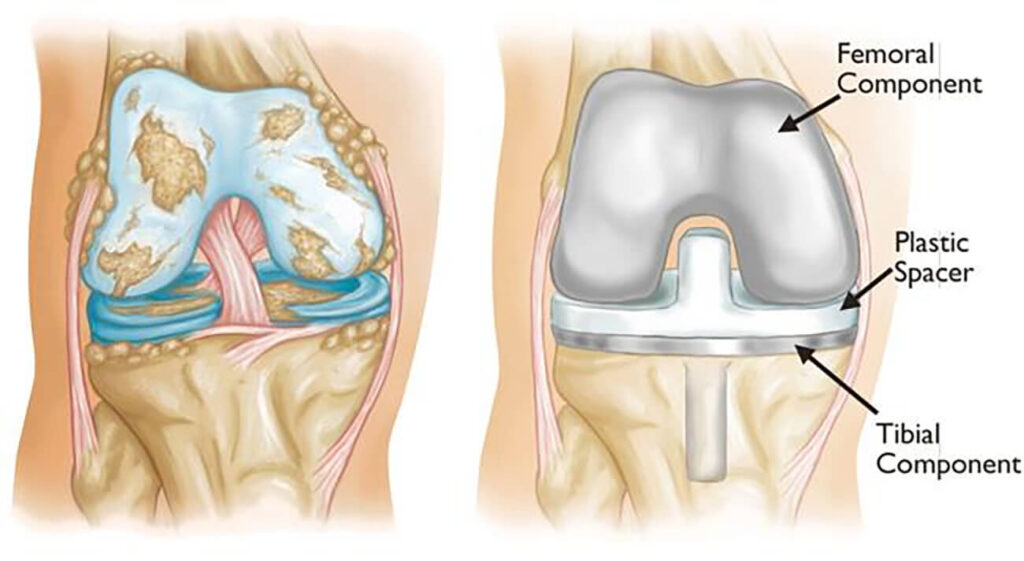
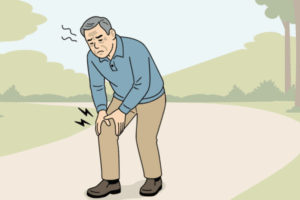
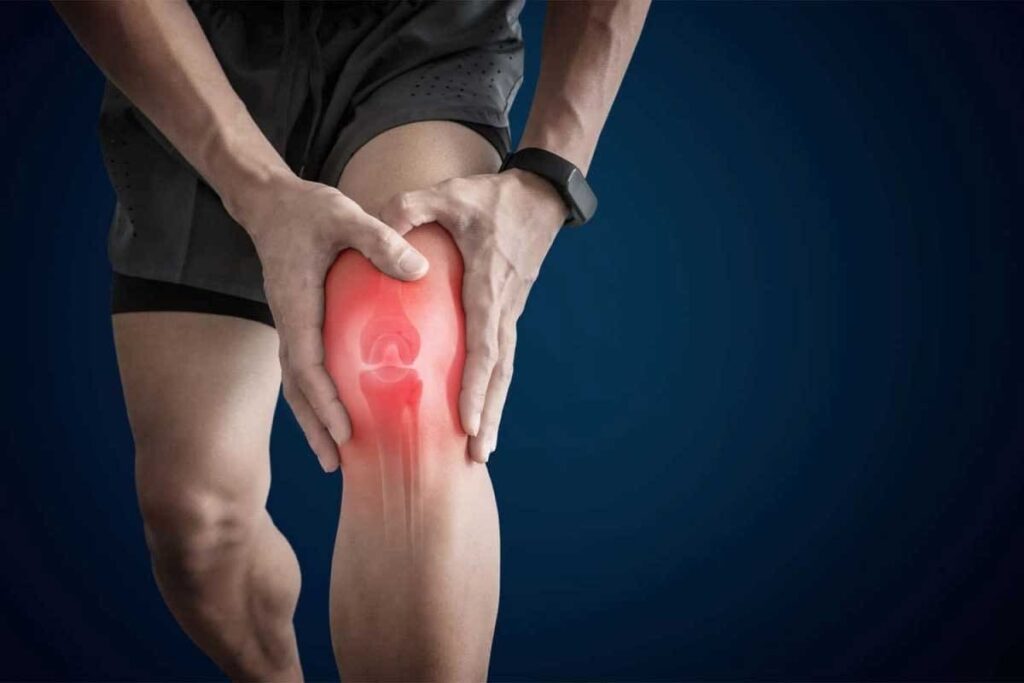
 Knee pain is one of the most common reasons adults reduce their activity level as they age. For some, ongoing knee pain eventually leads to discussions about knee replacement surgery. While surgery is sometimes necessary, many people can delay or even prevent knee replacement with early intervention and proper care.

Understanding why knee replacements are recommended, and what you can do to protect your knees can make a major difference in long-term mobility and independence.

Understanding Knee Replacement &Amp; How To Prevent It
Understanding Knee Replacement & How to Prevent It

Why Knee Replacements Are Recommended

Knee replacement surgery is typically suggested when pain and stiffness severely limit daily activities and conservative care no longer provides relief. The most common reasons include:

1. Osteoarthritis

The most common cause of knee replacement. Over time, cartilage wears down, leading to pain, stiffness, swelling, and reduced joint space.

2. Rheumatoid Arthritis

An inflammatory condition that damages joint tissue, causing pain and deformity if left unmanaged.

3. Past Injuries

Old ligament tears, meniscus injuries, or fractures can change joint mechanics, accelerating wear and tear years later.

4. Long-Term Joint Stress

Repetitive strain, poor movement mechanics, or excess joint loading over many years can lead to progressive joint degeneration.

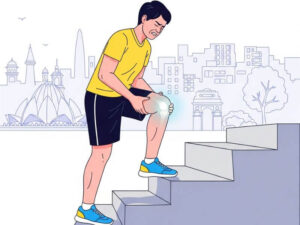
How Knee Pain Impacts Daily Life

 Chronic knee pain can affect:

As movement decreases, muscles weaken, joints stiffen, and pain often worsens; creating a cycle that can push people toward surgery.

How Knee Pain Impacts Daily Life

Can Knee Replacement Be Prevented or Delayed?

In many cases, yes. Early and consistent physiotherapy can slow joint degeneration, improve function, and reduce pain, often delaying or avoiding surgery altogether.

How Physiotherapy Helps Protect Knee Joints

Physiotherapy focuses on improving how the knee functions within the entire lower body.

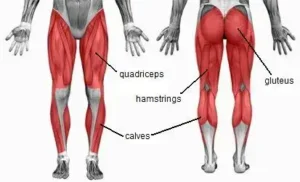
1. Strengthening Key Muscles

 Strong muscles reduce stress on the knee joint. Physiotherapy targets:

Better muscle support helps absorb shock and stabilize the joint.

2. Improving Flexibility & Range of Motion

Gentle stretching and mobility exercises help reduce stiffness, improve circulation, and maintain healthy joint movement.

3. Weight Management Guidance

Even small reductions in body weight significantly reduce knee joint load. Physiotherapists provide movement strategies that support safe activity and joint protection.

4. Joint Protection & Movement Education

Learning how to move safely during walking, lifting, stairs, and daily tasks, helps reduce unnecessary stress on the knee.

5. Reducing Pain & Inflammation Naturally

Physiotherapy uses movement, strengthening, and education to reduce pain without relying solely on medication.

How Physiotherapy Helps Protect Knee Joints

Effective Exercises for Knee Health

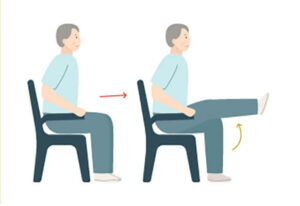
 The right exercises can help maintain strength and mobility without overloading the joint. Common physiotherapy-guided exercises include:

All exercises are customized to the individual’s ability and comfort level.

Effective Exercises For Knee Health
Effective Exercises for Knee Health

The Benefits of In-Home Physiotherapy

For seniors or individuals with mobility challenges, in-home physiotherapy offers:

When Should You Seek Help?

 Consider physiotherapy if:

Early intervention often leads to better outcomes.

When Should You Seek Help?

How We Can Help

Our in-home physiotherapy programs focus on:
 ✔ Comprehensive knee assessment
 ✔ Customized strength and mobility plans
 ✔ Pain management strategies
 ✔ Education for long-term joint protection
 ✔ Supporting confidence and independence

If knee pain is affecting your quality of life, physiotherapy can help you move more comfortably and confidently.

Take the Next Step

Knee replacement is not always inevitable. With the right care, many people can stay active, reduce pain, and protect their knee health for years to come.

Book your in-home physiotherapy assessment today:
604-360-2790

Why Is Medial (Inner) Knee Pain More Common Than Lateral Knee Pain?

If you’ve ever experienced knee pain, chances are it was felt on the inside (medial) portion of the knee rather than the outside (lateral). This isn’t a coincidence. Medial knee pain is significantly more common due to the unique anatomy and biomechanics of the knee joint.

Understanding why the medial side is more vulnerable can help patients recognize symptoms earlier, seek appropriate care, and prevent long-term joint issues.

Why Is Medial (Inner) Knee Pain More Common Than Lateral Knee Pain?


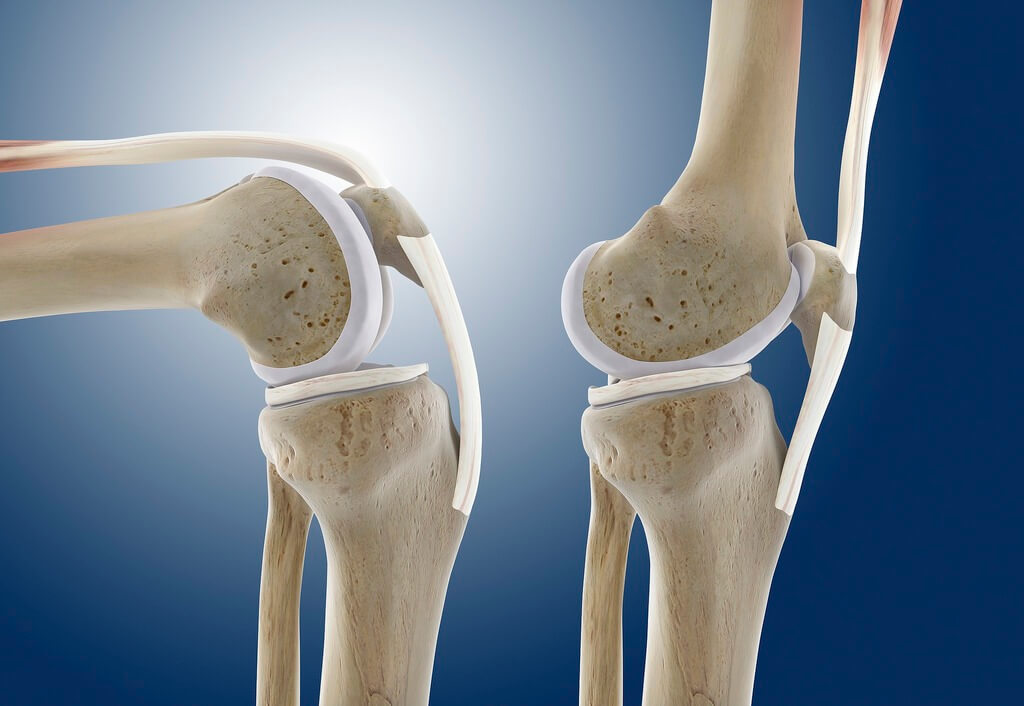
Understanding Knee Anatomy: Medial vs Lateral

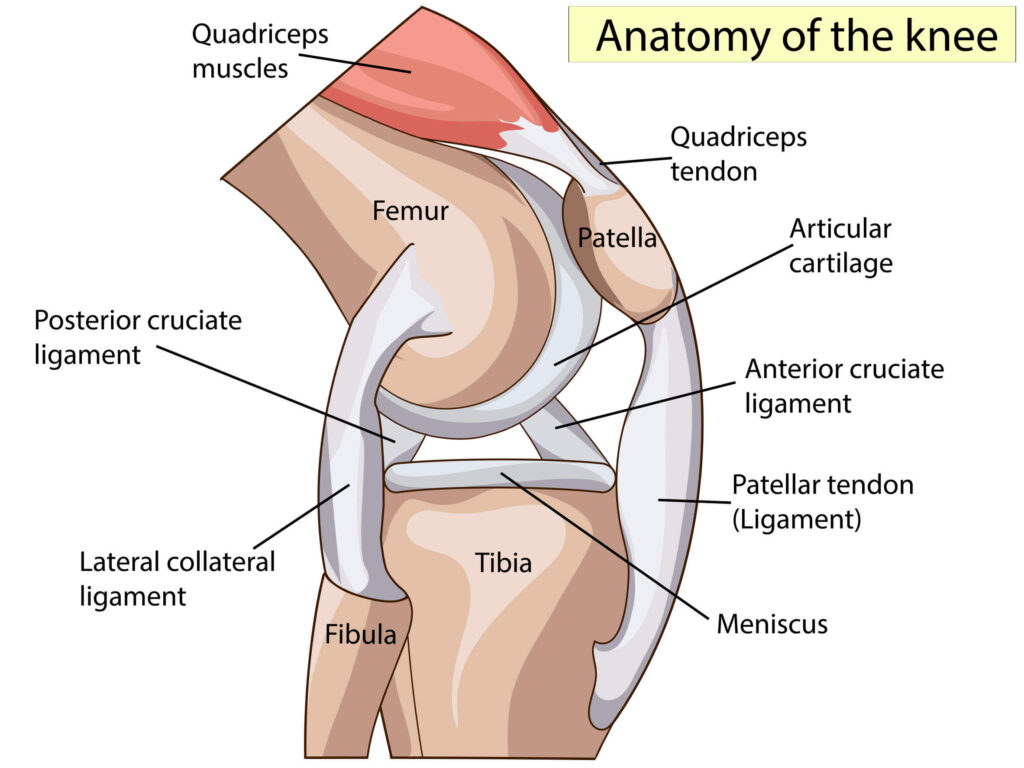
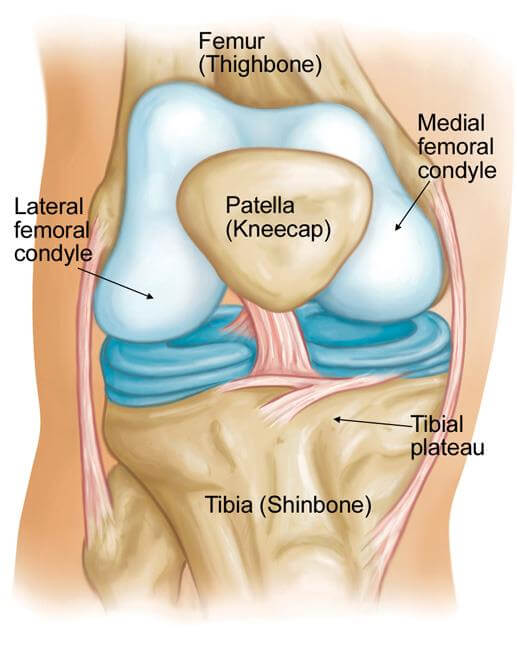
The knee joint is formed by the femur (thigh bone), tibia (shin bone), and patella (kneecap). At the bottom of the femur are two rounded surfaces called condyles:

These two structures are not symmetrical, and that asymmetry plays a major role in how forces move through the knee.

Understanding Knee Anatomy: Medial Vs Lateral
Understanding Knee Anatomy: Medial vs Lateral

The Medial Femoral Condyle Bears More Load

The medial femoral condyle is larger and extends farther downward than the lateral condyle. Because of this:

Over time, repeated compression makes the medial side more susceptible to irritation, cartilage wear, and overuse injuries.

Compression vs Tension: Different Jobs, Different Risks

Each side of the knee handles forces differently:

Medial Knee

Lateral Knee

Because compression-related tissues are less forgiving over time, the medial knee tends to become painful sooner.

The Role of Rotation During Knee Movement

Another key factor is rotation.

The extra length of the medial femoral condyle allows for greater tibial rotation during knee flexion, which is essential for normal movement (often referred to as the “screw-home mechanism”).

While this rotation is necessary, it also means:

The Role Of Rotation During Knee Movement
The Role of Rotation During Knee Movement

How the Lateral Condyle Protects the Knee

The lateral femoral condyle, though smaller, plays an important stabilizing role. Its shape helps:

This protective function means the lateral knee is often less exposed to direct compressive overload.

Why the Medial Knee Gets Injured More Often

When you combine:

…it becomes clear why the medial knee is more vulnerable.

Common conditions associated with medial knee pain include:

Why The Medial Knee Gets Injured More Often
Why the Medial Knee Gets Injured More Often

Movement Patterns Matter

 Medial knee pain is rarely caused by anatomy alone. Factors that increase medial loading include:

These movement issues funnel even more stress into an already load-bearing area.

Movement Patterns Matter

How Medial Knee Pain Should Be Assessed

Proper evaluation looks beyond the knee itself. A comprehensive assessment may include:

Identifying the source of excessive medial load is essential for long-term relief.

The Takeaway

Medial knee pain is more common because the inside of the knee is designed to bear more load, absorb more compression, and allow rotation during movement. While this design supports efficient motion, it also makes the medial knee more susceptible to pain when movement mechanics break down.

The good news? Most medial knee pain is mechanical and manageable when addressed early with the right approach.

How Our Clinic Can Help

At our clinic, we focus on:
 ✔ Identifying the cause of medial knee overload
 ✔ Improving movement mechanics
 ✔ Reducing unnecessary joint stress
 ✔ Restoring strength, mobility, and confidence

If you’re dealing with inner knee pain, don’t ignore it. Early assessment can make a significant difference in recovery and long-term joint health.

Book a comprehensive knee evaluation today.

Meralgia Paresthetica: Why You’re Feeling Burning, Tingling, or Numbness on the Outer Thigh

If you’ve ever felt burning, tingling, numbness, or sharp pain along the outer part of your thigh, you may be dealing with a condition called Meralgia Paresthetica.

This condition is commonly misunderstood, often mistaken for hip or back problems, and can be frustrating for patients who don’t know why the symptoms won’t go away. The good news is that once properly identified, Meralgia Paresthetica is very treatable.

Let’s break down what it is, why it happens, and how we address it in our clinic.

What Is Meralgia Paresthetica?

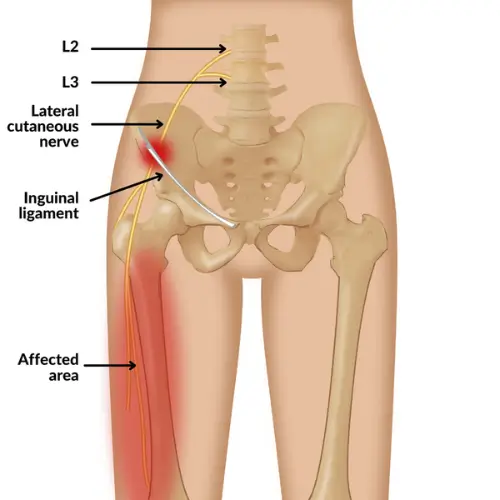
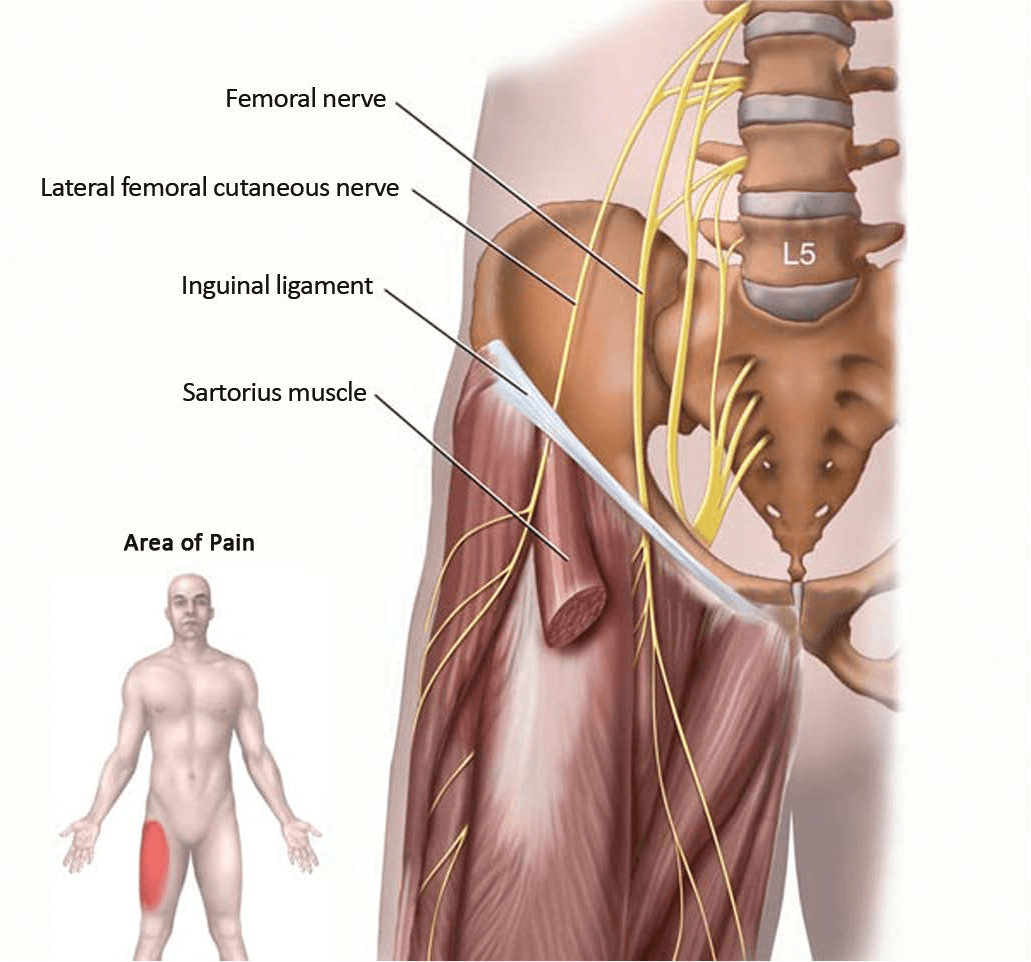
 Meralgia Paresthetica is a nerve compression condition involving the lateral femoral cutaneous nerve (LFCN).

This nerve:

Importantly, this nerve is sensory only, it does not control muscle strength. That’s why people experience sensory symptoms like burning or numbness, but not weakness.

Meralgia Paresthetica

Common Symptoms of Meralgia Paresthetica

Symptoms usually occur on one side and may include:

The pain often stays localized to the outer thigh and does not travel below the knee.

Why Does Meralgia Paresthetica Happen?

The most common cause is compression of the lateral femoral cutaneous nerve as it passes under the inguinal ligament near the front of the hip.

Common contributing factors include:

1. Tight Hip Flexors or Pelvic Muscles

Muscles like the iliopsoas can tighten and increase pressure on the nerve.

2. Prolonged Sitting or Poor Posture

Long periods of sitting, especially with hip flexion, can irritate the nerve over time.

3. External Compression

4. Repetitive Hip Motion

Common in runners, cyclists, and athletes who repeatedly flex the hip.

5. Body Changes

6. Previous Injury or Surgery

In some cases scar tissue or altered mechanics around the pelvis can change nerve mobility.

What Is Meralgia Paresthetica?

How Is Meralgia Paresthetica Different from Back or Hip Pain?

This condition is often confused with:

Key differences:

That’s why a proper movement and nerve assessment is essential.

How We Assess Meralgia Paresthetica

A proper assessment focuses on finding the source of nerve irritation, not just treating symptoms.

Our evaluation may include:

This allows us to identify whether symptoms are driven by tight tissues, movement patterns, or external compression.

How We Assess Meralgia Paresthetica

How Meralgia Paresthetica Is Treated

Treatment is conservative and highly effective when properly targeted.

 1. Reduce Nerve Compression

2. Restore Mobility

3. Improve Nerve Movement

4. Strengthen Supporting Muscles

5. Correct Movement Patterns

How Meralgia Paresthetica Is Treated

When Should You Seek Care?

You should seek professional evaluation if:

Early treatment prevents chronic nerve irritation and prolonged discomfort.

How Our Clinic Can Help

We focus on identifying why the nerve is irritated, not just calming symptoms.

Our approach includes:
 ✔ Comprehensive movement and nerve assessment
 ✔ Hands-on therapy
 ✔ Targeted mobility and strength work
 ✔ Posture and lifestyle guidance
 ✔ Long-term prevention strategies

If you’re dealing with outer thigh pain, burning, or numbness, we can help you move comfortably again.