When Connor McDavid goes down, the hockey world feels it immediately. Not just because he is one of the most electric players the NHL has ever seen, but because his game depends on speed, timing, and control in a way very few athletes can replicate. Watching him deal with injury is a reminder of how fragile even the most elite bodies can be, and how recovery is rarely as simple as “waiting it out.”
McDavid’s style of play puts enormous stress on the body. His acceleration, edge work, and constant direction changes demand near-perfect coordination between muscles, joints, and the nervous system. When something goes wrong, whether it’s an upper-body issue, a lower-body strain, or a core injury, the effects ripple through everything he does on the ice. Skating mechanics change. Reaction time slows. Confidence can dip even if the athlete insists they feel fine.
One of the biggest misconceptions fans have is that professional athletes heal faster just because they’re in great shape. In reality, the opposite can be true. Elite athletes push their bodies to extremes every day, and even a minor injury can become a major problem if it alters movement patterns. A slight loss of hip stability can affect stride length. A sore shoulder can change shooting mechanics. Over time, compensation leads to overloading elsewhere.
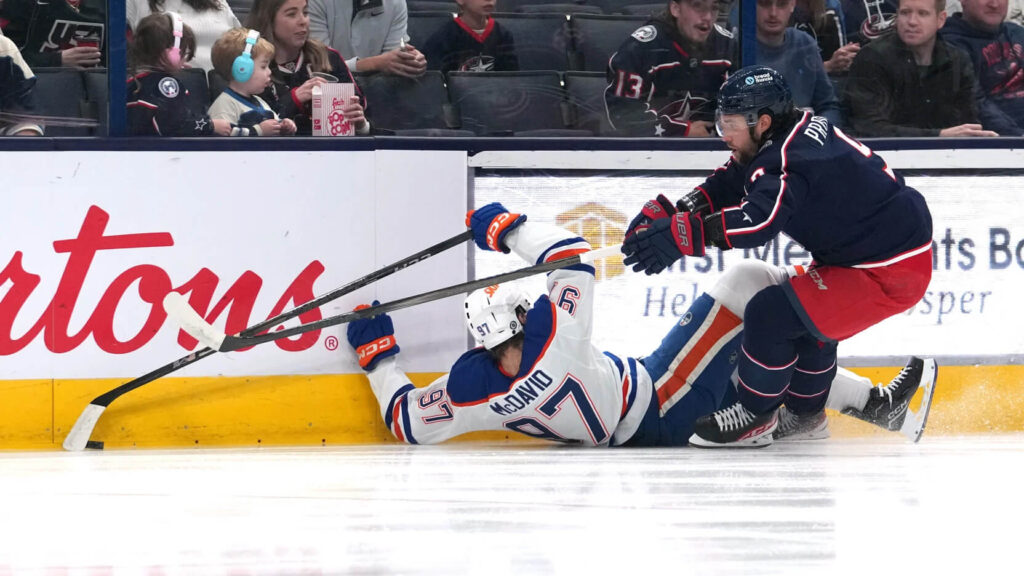
This is why return-to-play decisions are so carefully managed in the NHL. It’s not just about pain going away. It’s about restoring physical health and also confidence. Medical teams look at how an athlete moves under fatigue, how they respond to contact, and whether they can perform sport-specific tasks without hesitation. If any of those pieces are missing, the risk of re-injury rises quickly.
McDavid’s situation also highlights how important patience is in recovery. Fans want stars back immediately, especially during tight playoff races. But rushing an athlete back before their body is ready can turn a short absence into a season-long problem. The smartest recoveries often look slow from the outside, even when progress is happening every day behind the scenes.
Another overlooked piece is the mental side of injury. Athletes at McDavid’s level are used to control outcomes through effort and preparation. Injury takes that control away. Trusting your body again, especially after a setback, is just as important as rebuilding strength. Sports medicine teams now place much more emphasis on this psychological aspect, knowing it plays a direct role in performance and reinjury risk.
For everyday athletes and active individuals, there’s a lot to learn from cases like this. Pain should never be ignored. Returning too soon often leads to longer setbacks. Proper assessment, guided rehab, and gradual progression matter far more than toughness or pushing through discomfort.
Connor McDavid will return the way he always does, prepared, focused, and driven. His injury is a reminder that even the best in the world need time, structure, and patience to heal properly. Recovery is not about speed. It’s about doing it right.


