Tennis Elbow & Golfer’s Elbow: Why They Happen and How Physiotherapy Helps

Date: February 17, 2026

Elbow pain is a common musculoskeletal condition that affects not only athletes, but also office workers, tradespeople, and active adults. Two of the most frequent causes are tennis elbow and golfer’s elbow.

Despite their names, you don’t need to play tennis or golf to develop these conditions. Both are typically caused by overuse, repetitive strain, and poor load management of the forearm muscles and tendons.

What Is Tennis Elbow?

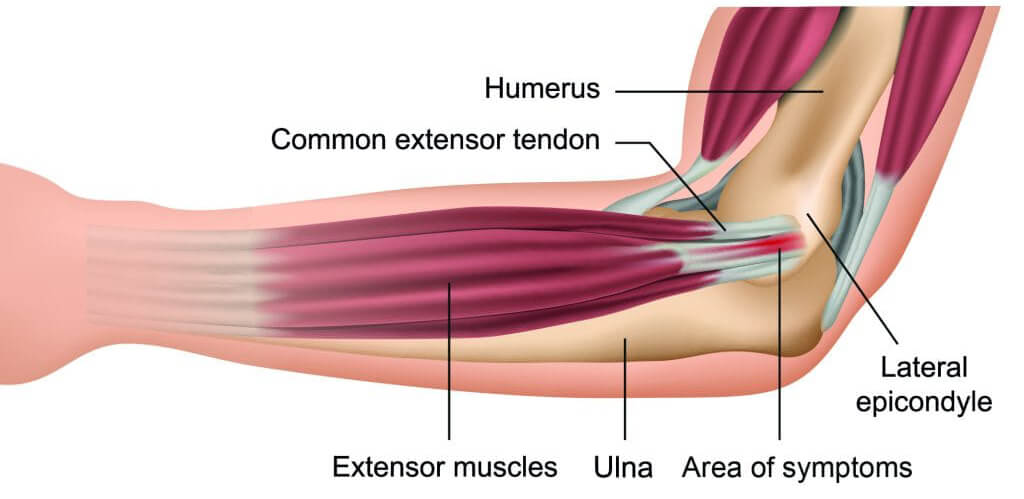
Tennis elbow, also known as lateral epicondylitis, causes pain on the outside of the elbow.

It involves irritation or degeneration of the tendons that attach the forearm extensor muscles to the elbow. These muscles are responsible for gripping, lifting, and wrist extension.

Common activities linked to tennis elbow:
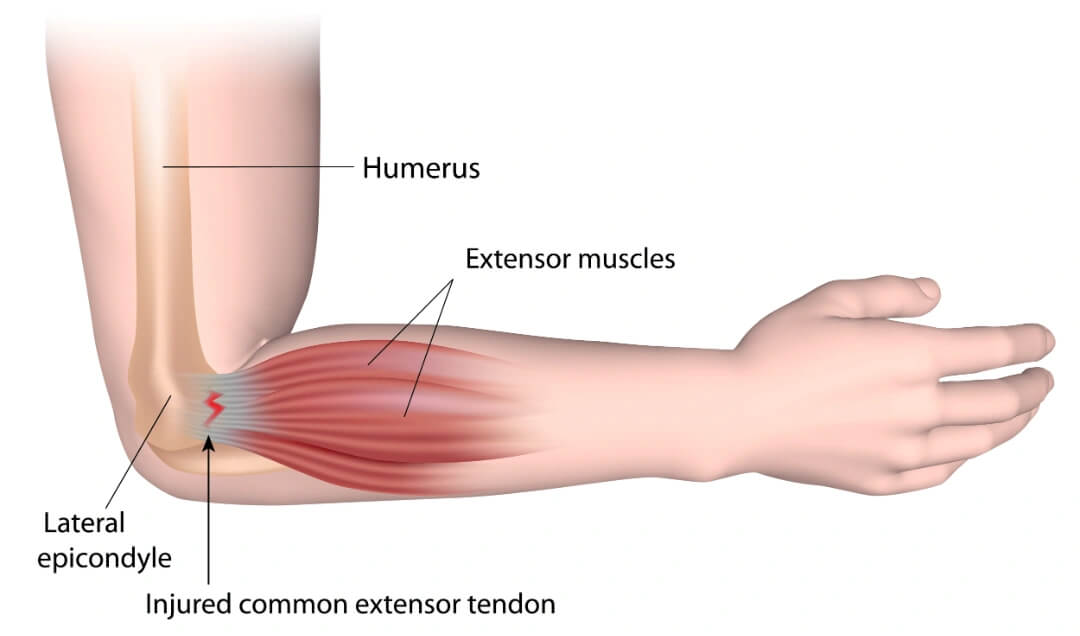
  • Repetitive gripping or lifting (racquet sports)
  • Computer and mouse use
  • Manual labor or tool use
  • Weight training with poor mechanics
Tennis Elbow
Tennis Elbow

What Is Golfer’s Elbow?

Golfer’s elbow, or medial epicondylitis, causes pain on the inside of the elbow.

It affects the tendons of the forearm flexor muscles, which help with gripping, wrist flexion, and forearm rotation.

Common activities linked to golfer’s elbow:
  • Repetitive wrist flexion
  • Heavy lifting
  • Golf swings
  • Throwing sports
  • Work involving twisting or pulling
Golfer’s Elbow
Golfer’s Elbow

Why Do These Conditions Develop?

Both tennis and golfer’s elbow are forms of tendinopathy, not acute inflammation.

They develop when:

  • Tendons are overloaded repeatedly without enough recovery
  • Muscles fatigue and transfer stress to the tendon
  • Poor shoulder, wrist, or grip mechanics increase strain
  • Weakness in the upper body forces the elbow to compensate

Over time, the tendon’s ability to heal breaks down, leading to pain, stiffness, and reduced strength.

Common Symptoms

Symptoms may include:

  • Elbow pain that worsens with gripping or lifting
  • Weak grip strength
  • Pain during daily tasks like opening jars or carrying bags
  • Morning stiffness
  • Discomfort that gradually worsens over weeks or months

Ignoring symptoms often leads to longer recovery times.

How Physiotherapy Helps Tennis & Golfer’s Elbow

Physiotherapy focuses on addressing the root cause, not just reducing pain.

1. Reducing Pain and Tendon Irritation

Treatment may include:

  • Activity modification
  • Manual therapy
  • Gradual load management
  • Education on avoiding aggravating movements

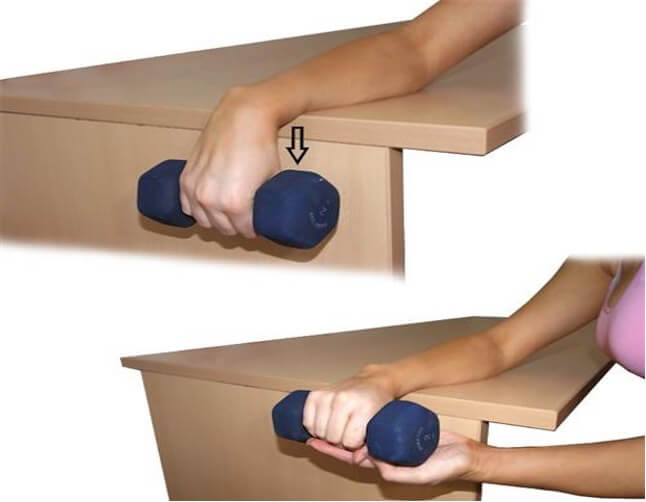
2. Strengthening the Forearm and Upper Limb

Progressive strengthening helps:

  • Improve tendon resilience
  • Restore grip strength
  • Reduce stress on the elbow

This often includes wrist, forearm, shoulder, and scapular strengthening.

3. Improving Mobility and Mechanics

Physiotherapy addresses:

  • Wrist and elbow mobility
  • Shoulder and upper back movement
  • Grip technique and posture

Poor mechanics elsewhere often overload the elbow.

4. Gradual Return to Activity

Rather than complete rest, physiotherapy uses graded exposure to:
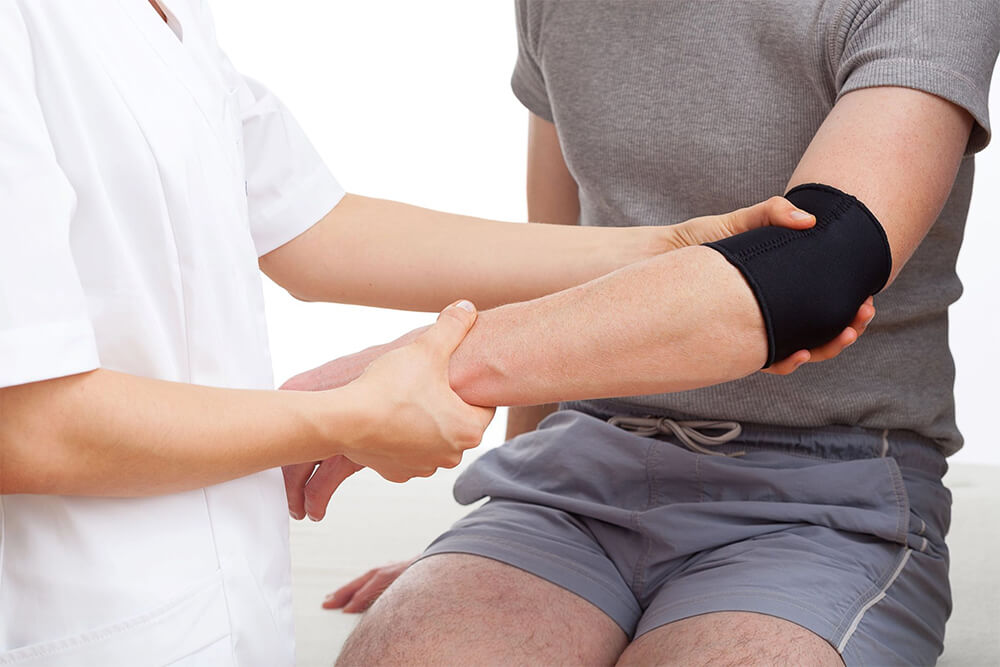
  • Return safely to sport or work
  • Prevent flare-ups
  • Build long-term tendon tolerance
How Physiotherapy Helps Tennis &Amp; Golfer’s Elbow
How Physiotherapy Helps Tennis & Golfer’s Elbow

Why Rest Alone Isn’t Enough

 While short-term rest may reduce pain, it doesn’t restore tendon strength. Without proper rehabilitation:

  • Symptoms often return
  • Tendons remain vulnerable
  • Daily tasks continue to aggravate the condition

Physiotherapy provides a structured, progressive plan for recovery.
Why Rest Alone Isn’t Enough

Who Is Most at Risk?

  • People with repetitive hand or arm tasks
  • Athletes in racquet, throwing, or gripping sports
  • Office workers with prolonged computer use
  • Tradespeople and manual laborers
  • Individuals with weak shoulder or wrist control

When Should You Seek Physiotherapy?

Consider professional care if:

  • Elbow pain lasts more than a few weeks
  • Grip strength is declining
  • Pain interferes with work, sport, or daily tasks
  • Symptoms keep returning

Early treatment leads to faster and more complete recovery.

How We Can Help

Our physiotherapy approach is designed to:

  •  Reduce elbow pain through hands-on treatment, dry needling and shockwave therapy
  •  Restore strength and function
  •  Improve movement patterns
  •  Prevent recurrence
  •  Help you return to activity confidently

Whether your elbow pain started from sport, work, or daily activities, proper rehabilitation can make a significant difference.

Take the First Step Toward Elbow Pain Relief

Tennis elbow and golfer’s elbow don’t have to become chronic problems. With the right guidance, most people recover fully and return to normal activities.

Book your physiotherapy assessment today and start moving pain-free again.

What Our Patients Are Saying

pain-free-health-clinic-color logo
envelopephone-handset