Learn how core bracing and core bracing with hip flexion can help improve trunk stability, core control, and coordination during movement.
Core Bracing: How to Build Better Stability and Control
A strong core isn't just about how long you can hold a plank. It's also about maintaining control while the rest of your body moves.
Core bracing is a foundational exercise used to develop trunk control and stability. Once you can maintain a comfortable brace, adding movement such as hip flexion creates an additional challenge by asking your core to remain controlled while your lower body moves.
What Is Core Bracing?
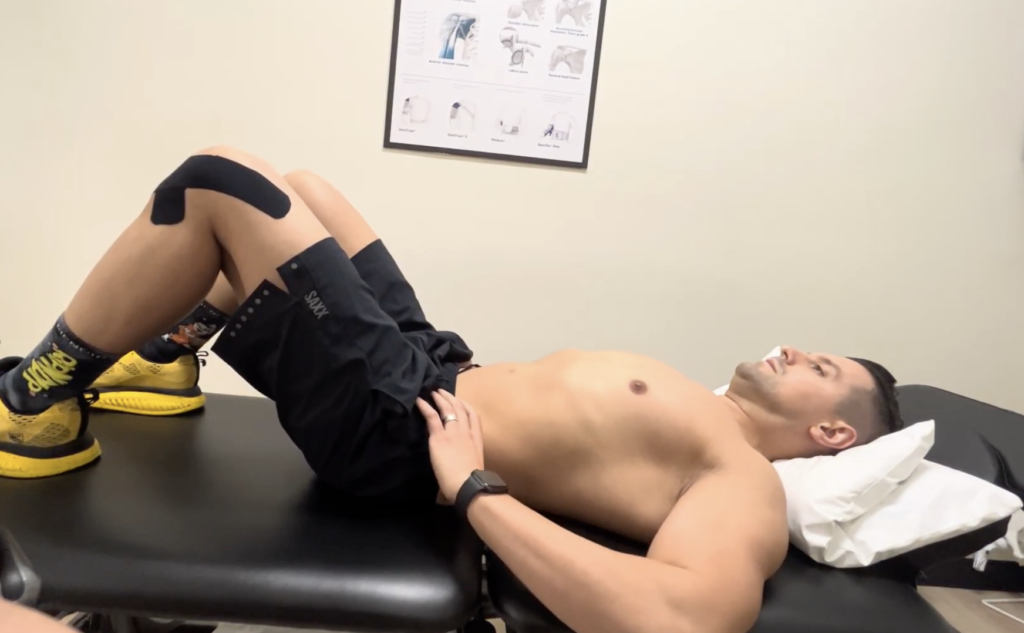
Core bracing involves creating controlled tension through your midsection while continuing to breathe.
The goal isn't simply to brace as hard as possible. Instead, you want to maintain appropriate tension through your trunk while still being able to breathe and move with control.
Learning how to brace can help establish a foundation for more challenging strengthening exercises and everyday movements.
Why Is Core Control Important?
Your core doesn't work in isolation. During everyday activities and exercise, your trunk often needs to remain stable while your arms and legs move.
Developing better core control may help:
Training your core to maintain control during movement can be an important part of rehabilitation and overall strength development.
How Do You Progress Core Bracing?
Once you can comfortably maintain a basic core brace, adding controlled movement is one way to progress the exercise.
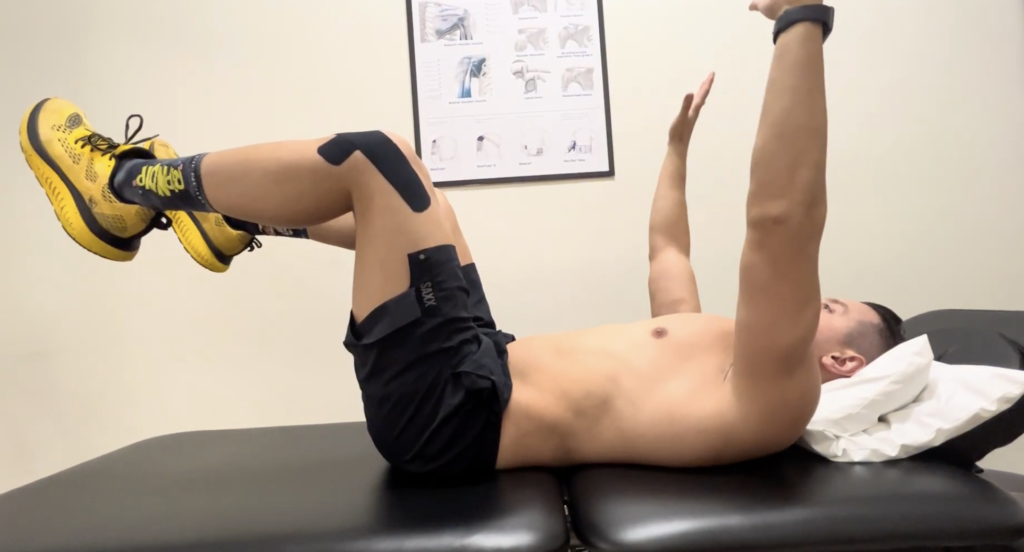
Core Bracing in Hip Flexion involves maintaining your brace while slowly lifting your leg.
This increases the challenge because your core must continue controlling your trunk while your lower body moves.
Progressing from basic core bracing to hip flexion can help improve coordination between your trunk and lower body while gradually increasing the demands placed on your core.
Why Is Breathing Important During Core Bracing?
Proper breathing and control are important during core exercises.
The goal isn't to create as much tension as possible or hold your breath throughout the exercise. Instead, you should be able to maintain an appropriate brace while continuing to breathe normally.
If adding leg movement causes you to lose your brace, hold your breath, or compensate through other areas of your body, you may need to return to the basic exercise before progressing.
Is Core Bracing Right for Everyone?
Core bracing can be useful in many strengthening and rehabilitation programs, but the appropriate exercise and progression will depend on your individual needs.
Your current strength, mobility, injury history, symptoms, and rehabilitation goals can all influence which core exercises are most appropriate.
If you're recovering from an injury or having difficulty maintaining core control during movement, a physiotherapy assessment can help determine the right starting point and progression.
Need Help Building Core Strength and Stability?
If you're struggling with core control, recovering from an injury, or unsure how to safely progress your core exercises, a physiotherapy assessment can help identify your current strength and movement needs and determine which exercises are most appropriate for you.
📍 Richmond
📍 Ladner
📍 Surrey
📍 Langley
Watch the Video
Watch the video above to see how Core Bracing helps build foundational trunk control and how Core Bracing in Hip Flexion progresses the exercise by adding controlled lower-body movement.
Learn More About Core Strength and Physiotherapy
Follow Pain Free Health Clinic on YouTube, Instagram, Facebook, and TikTok for more educational content on core strength, core stability, core bracing exercises, physiotherapy, exercise rehabilitation, injury recovery, and healthy movement to help you move with confidence.


