George Springer’s Oblique Injury & What It Reveals About QL Overuse in Baseball

Date: January 27, 2026

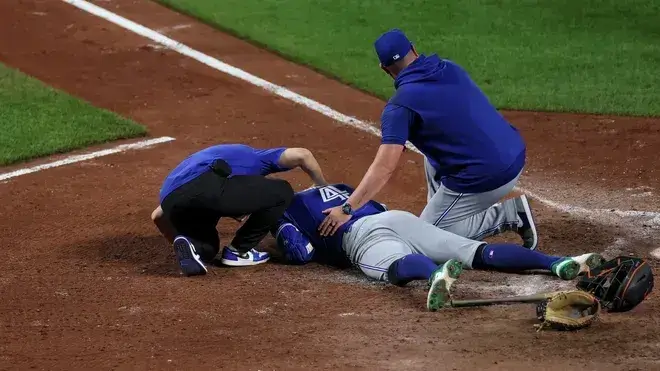
During Game 3 of the World Series, Toronto Blue Jays outfielder George Springer exited the game after experiencing an oblique injury while swinging. Oblique injuries are well known in baseball, but they rarely occur in isolation.

While Springer’s reported injury involved the oblique muscles, this situation provides an important opportunity to discuss another commonly overworked and overlooked muscle in baseball players: the quadratus lumborum (QL).

This article is not diagnosing George Springer. Instead, it explains why QL overuse frequently accompanies oblique injuries in baseball and other one-sided sports.

Baseball Is a One-Sided Sport by Design

 Baseball involves repeated, high-velocity movements in the same direction:

  • Batting
  • Throwing
  • Fielding
  • Rotational acceleration and deceleration

Over time, this creates asymmetrical loading of the trunk and pelvis. One side consistently works harder, increasing the risk of overuse injuries.
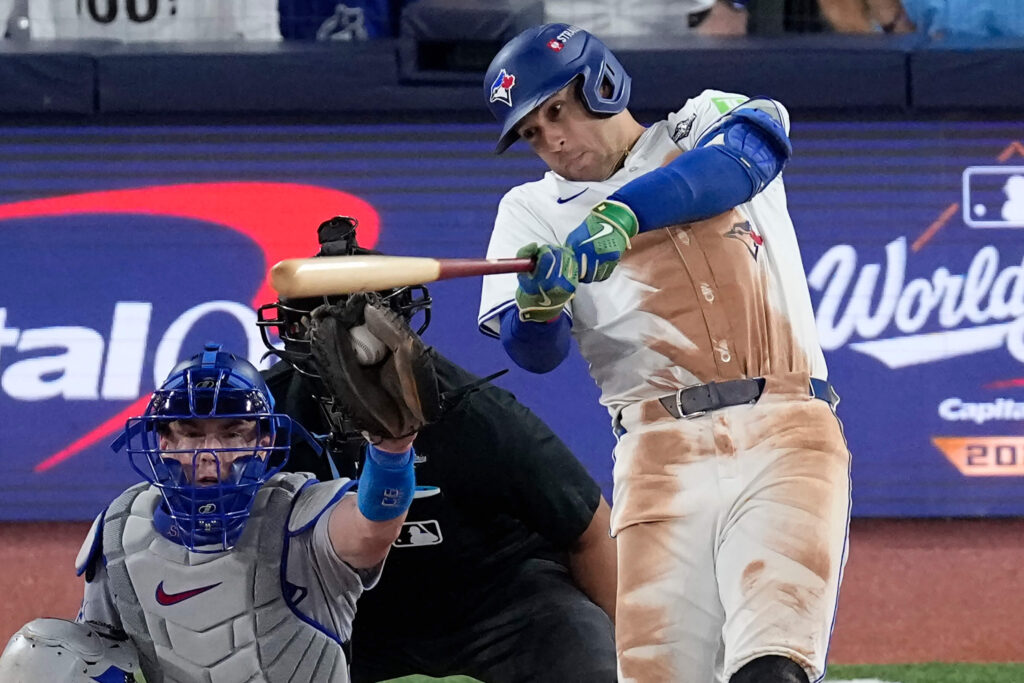
Baseball Is A One-Sided Sport By Design
George Springer’s Oblique Injury & What It Reveals About QL Overuse in Baseball 16

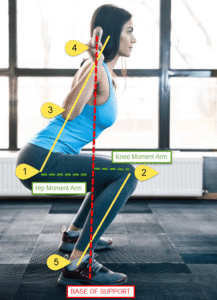
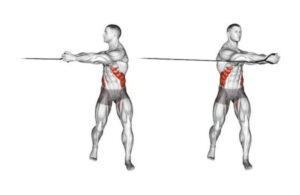
How the Obliques and QL Work Together

The obliques and quadratus lumborum function as part of the body’s lateral core system.

Together, they:

  • Stabilize the spine during rotation
  • Transfer force from the hips to the upper body
  • Control side bending and trunk deceleration
  • Protect the lumbar spine during high-speed movement

When one muscle becomes fatigued or injured, such as the obliques, the QL often compensates, increasing its workload.
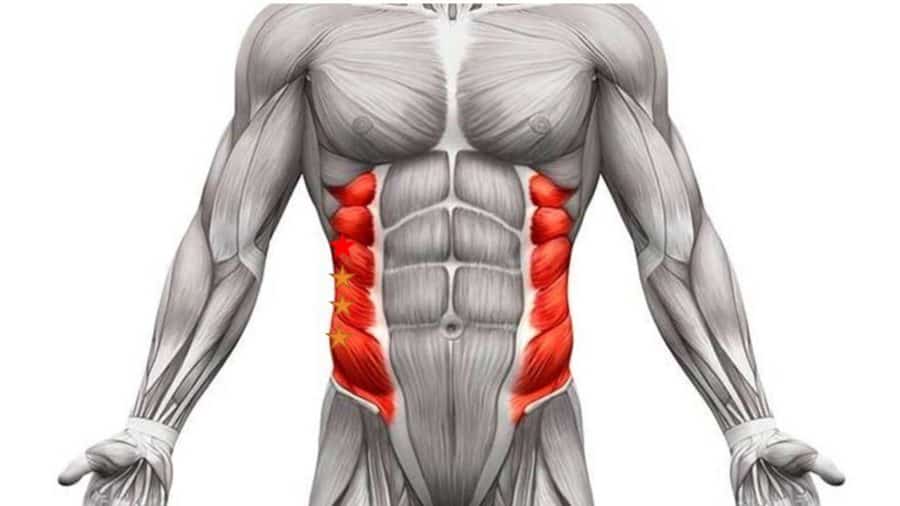
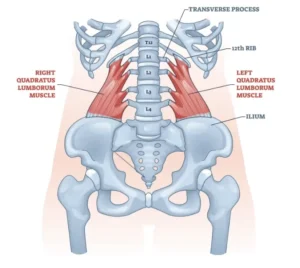
Obliques
George Springer’s Oblique Injury & What It Reveals About QL Overuse in Baseball 17
Ql Work Together
George Springer’s Oblique Injury & What It Reveals About QL Overuse in Baseball 18

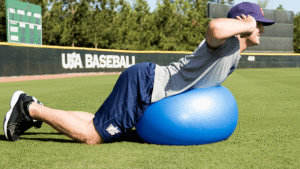
Why QL Overuse Is Common in Baseball Players

The QL is especially active during:

  • Rotational loading & trunk stabilization during a swing
  • Decelerating rotation after ball contact
  • Maintaining pelvic control during powerful movement

In a right-handed batter, for example, one side of the QL consistently absorbs more force. Over thousands of repetitions, this can lead to:
  • Muscle tightness
  • Strain
  • Spasm
  • Reduced rotational efficiency
  • Increased injury risk
Why Ql Overuse Is Common In Baseball Players
George Springer’s Oblique Injury & What It Reveals About QL Overuse in Baseball 19

Why QL Issues Often Go Undiagnosed

QL irritation is frequently described as:

  • “Low back tightness”
  • “Core soreness”
  • “Hip or flank discomfort”

Because it’s a deep muscle and often doesn’t show clearly on imaging, QL dysfunction may go unreported or grouped under oblique or back injuries.

The Oblique–QL Relationship in Injury

When an oblique injury occurs:

  • Rotational stability is compromised
  • Load shifts to deeper stabilizers like the QL
  • The QL may become overworked trying to maintain performance

This is why addressing only the obliques without assessing the QL, hips, and pelvis may leave athletes vulnerable to reinjury.

One-Sided Sports Share the Same Risk Pattern

This isn’t unique to baseball. Similar patterns occur in:

  • Golf
Golf
George Springer’s Oblique Injury & What It Reveals About QL Overuse in Baseball 20
  • Tennis
Tennis
George Springer’s Oblique Injury & What It Reveals About QL Overuse in Baseball 21
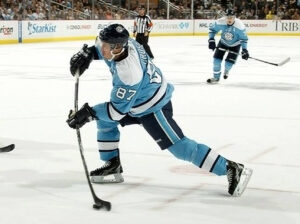
  • Hockey
Hockey
George Springer’s Oblique Injury & What It Reveals About QL Overuse in Baseball 22
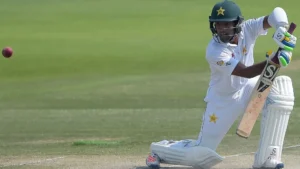
  • Cricket
Cricket
George Springer’s Oblique Injury & What It Reveals About QL Overuse in Baseball 23
  • Throwing sports
Throwing Sports
George Springer’s Oblique Injury & What It Reveals About QL Overuse in Baseball 24

Any sport that emphasizes repeated rotation in one direction places athletes at risk for trunk asymmetry and QL overload.

How QL & Oblique Injuries Are Managed Clinically

Effective management goes beyond rest. A comprehensive approach includes:
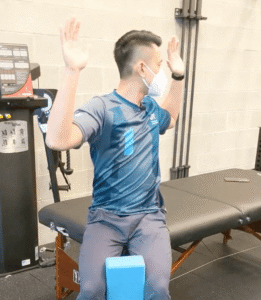
  • Assessing rotational mechanics
Assessing Rotational Mechanics
George Springer’s Oblique Injury & What It Reveals About QL Overuse in Baseball 25
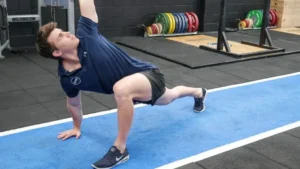
  • Restoring hip and thoracic mobility
Restoring Hip And Thoracic Mobility
George Springer’s Oblique Injury & What It Reveals About QL Overuse in Baseball 26
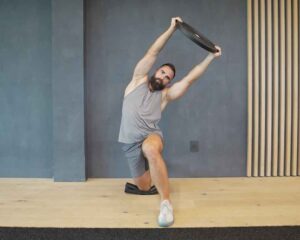
  • Improving lateral core strength
Improving Lateral Core Strength
George Springer’s Oblique Injury & What It Reveals About QL Overuse in Baseball 27
  • Addressing side-to-side imbalances
Addressing Side-To-Side Imbalances
George Springer’s Oblique Injury & What It Reveals About QL Overuse in Baseball 28
  • Gradual return to rotational loading
Gradual Return To Rotational Loading
George Springer’s Oblique Injury & What It Reveals About QL Overuse in Baseball 29
  • Sport-specific movement retraining
Sport-Specific Movement Retraining
George Springer’s Oblique Injury & What It Reveals About QL Overuse in Baseball 30

What Athletes Can Learn From This

The key takeaway for baseball players and rotational athletes is simple:

Oblique injuries rarely happen alone.
The QL plays a critical role in trunk stability, force transfer, and injury prevention, especially in one-sided sports.

Ignoring asymmetry increases the risk of recurring trunk and lower-back injuries.

Our Approach to Rotational Sports Injuries

At our clinic, we work with athletes to:
 ✔ Identify asymmetrical trunk loading
 ✔ Assess QL, oblique, and hip function
 ✔ Restore rotational efficiency
 ✔ Reduce injury risk
 ✔ Improve performance longevity

Final Thoughts

George Springer’s oblique injury highlights how demanding rotational sports can be on the body. While the injury itself involved the obliques, it underscores the importance of evaluating the entire lateral core system, including the quadratus lumborum.

Proper assessment, balanced training, and early intervention are essential for athletes at all levels.

What Our Patients Are Saying

pain-free-health-clinic-color logo
envelopephone-handset