Posterior Shin Splints: Causes, Treatment, and Recovery – A Case Study

Date: August 13, 2025

Posterior shin splints are a common yet often misunderstood lower leg injury. They cause pain along the inside of the shin, typically due to inflammation of the posterior tibialis muscle and tendon. If untreated, shin splints can progress into stress reactions or stress fractures, leading to long recovery times.

At Pain Free Health, we regularly treat athletes, runners, and active individuals with shin pain. This case study shows how a full assessment and targeted treatment can prevent a mild injury from turning into a more serious problem.

The Patient’s Main Complaint

Our patient came in with:

  • Sharp shooting pain along the inside border of the shin (posterior shin splints)
  • Increased discomfort with walking, running, or standing for long periods
  • Mild swelling and tenderness along the tibia
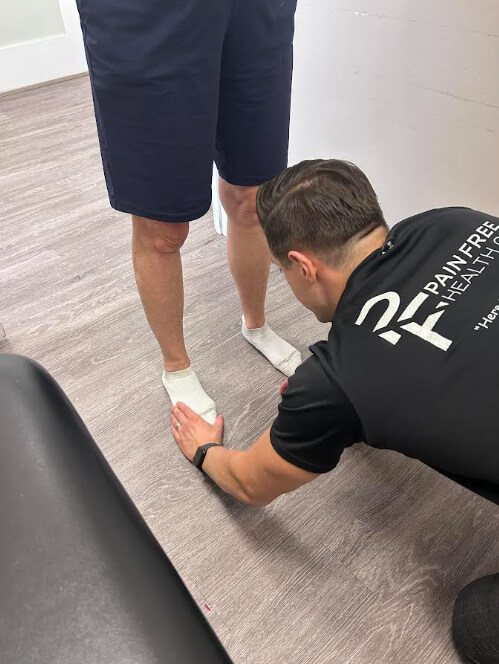
  • Flat feet (fallen arches) contributing to overloading of the posterior tibialis tendon

What Causes Posterior Shin Splints?

The posterior tibialis muscle plays a key role in supporting the arch of the foot. Overuse, poor biomechanics, or inadequate footwear can cause it to work harder than it should, leading to:

  • Inflammation of the tendon
  • Stress along the inner shin bone (tibia)
  • Potential progression to a tibial stress fracture if left untreated

Common risk factors include:

  • Flat feet or collapsed arches
  • Sudden increases in running or activity levels
  • Hard training surfaces
  • Improper footwear
  • Weak calf or hip muscles

Our Treatment Plan

1. Reduce Pain & Inflammation

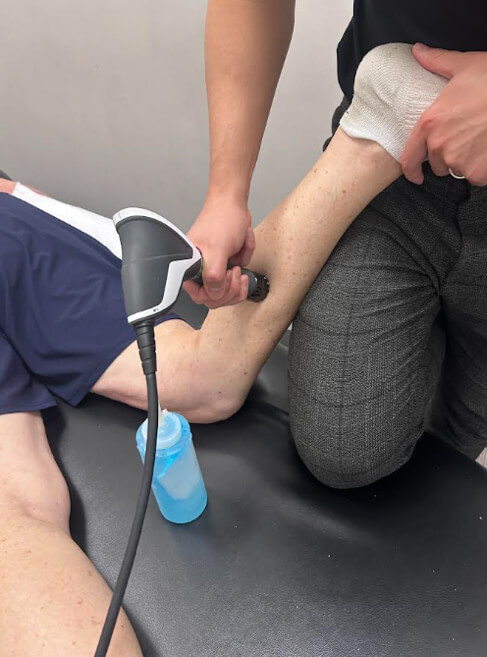
  • Shockwave therapy to stimulate blood flow, reduce inflammation, and speed recovery
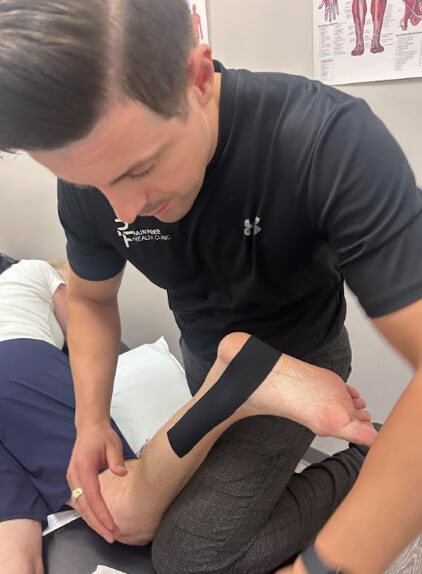
  • Kinesiology taping from foot to shin for arch support and reduced tendon strain

2. Correct Biomechanics

  • Custom orthotics to lift the arches and offload the posterior tibialis
  • Gait retraining to promote even weight distribution and prevent excessive inward rolling (overpronation)

3. Strengthen Key Muscles

  • Posterior tibialis strengthening: heel raises and resistance band inversion
  • Calf strengthening to absorb impact forces
  • Hip and glute exercises to improve lower limb alignment

4. Mobility & Self-Care

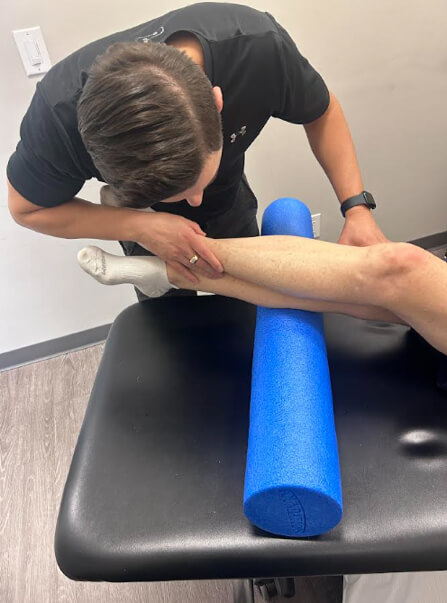
  • Foam rolling the calves and inner shin to release tension
  • Foot arch rolling with a lacrosse ball to improve fascia mobility
  • Calf Stretching 
  • Gradual return-to-activity plan to avoid re-injury

Recovery Timeline

With consistent treatment and home exercises, most mild-to-moderate posterior shin splints improve in 4–6 weeks. More severe cases or stress fractures may require 8–12 weeks and modified activity.

Why Early Treatment Matters

Ignoring shin pain can lead to:

  • Chronic tendon irritation
  • Tibial stress fractures
  • Extended time away from sport or activity

Early physiotherapy assessment can stop the injury from progressing, speed up healing, and improve long-term lower limb health.

Get Relief from Shin Splints in BC

Pain Free Health offers posterior shin splint assessment, treatment, and rehabilitation at multiple locations:

If you’re struggling with shin splints, stress fractures, or lower leg pain, book an appointment today and get back to moving pain-free.
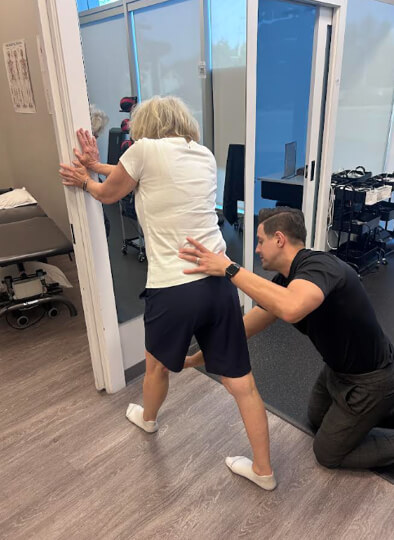
Posterior Shin Splints 1
Posterior Shin Splints 2
Posterior Shin Splints 3
Posterior Shin Splints 4
Posterior Shin Splints 5

What Our Patients Are Saying

pain-free-health-clinic-color logo
envelopephone-handset