Winter can be a challenging time for many people, especially seniors and those with joint or mobility concerns. Cold temperatures, icy sidewalks, and reduced activity levels can increase the risk of falls, stiffness, and pain. Understanding how winter affects the body and how physiotherapy can help is key to staying safe and comfortable during the colder months.
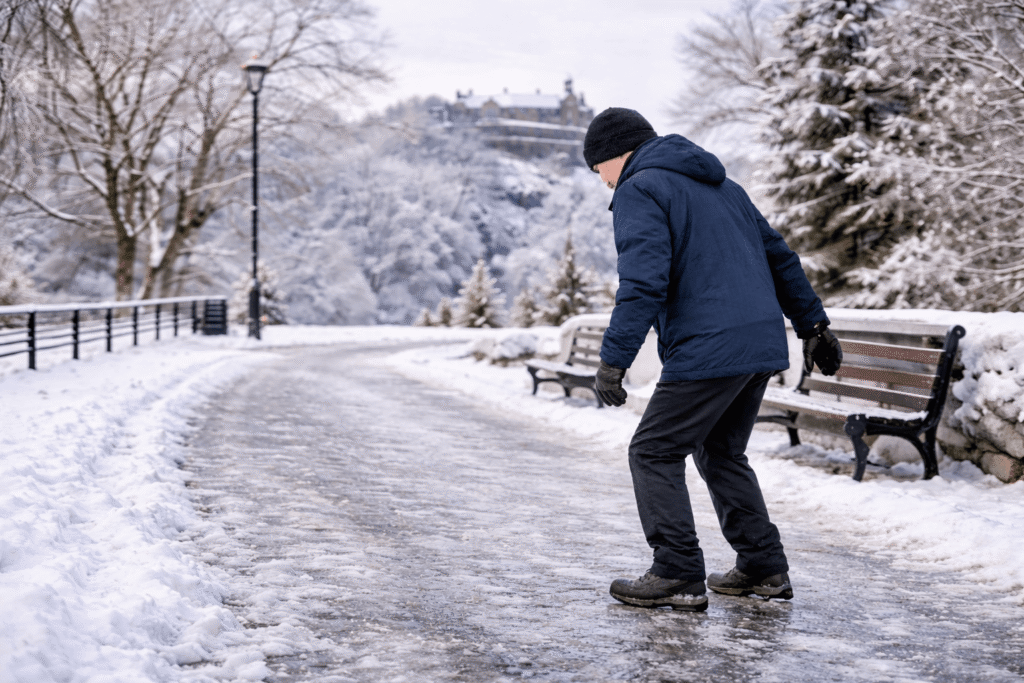
One of the biggest concerns during winter is the increased risk of slipping and falling. Ice, snow, and wet surfaces make outdoor and indoor environments more hazardous. Falls can lead to serious injuries such as fractures, sprains, or head injuries, particularly in older adults.
Physiotherapy helps reduce fall risk by:
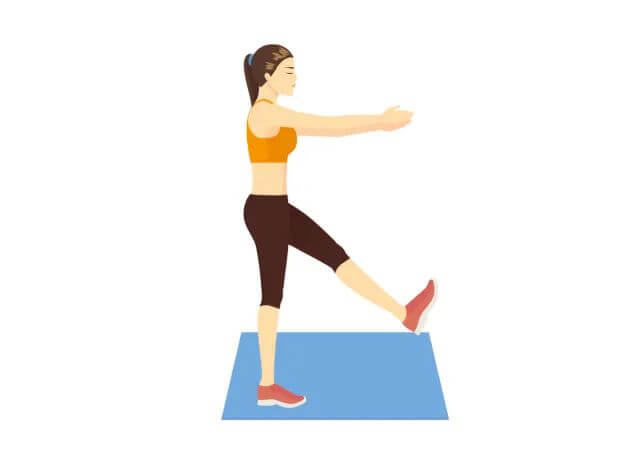

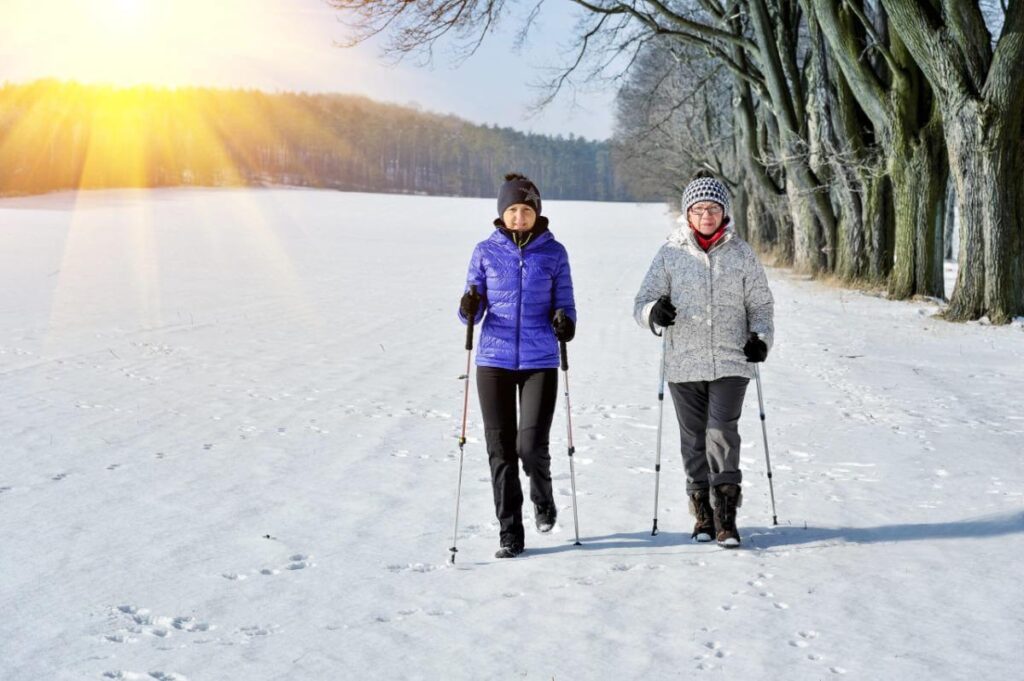
Balance training and strength exercises can make it easier to recover from slips and maintain control on uneven or slippery surfaces.
Many people notice increased joint stiffness and discomfort during winter. Cold temperatures can reduce blood flow to muscles and joints, making them feel tighter and less flexible. This stiffness can limit movement and increase the risk of strain or injury.
Physiotherapy can help by:
Regular movement, even indoors, is essential for maintaining joint health during winter.

Shorter days and colder weather often lead to reduced physical activity. Over time, inactivity can contribute to muscle weakness, balance changes, and loss of mobility.
Physiotherapists can create safe, home-based exercise programs that:

Some simple steps can help reduce winter-related injuries:
Physiotherapy focuses on keeping you moving safely and confidently year-round. Whether it’s preventing falls, managing stiffness, or maintaining strength, physiotherapy can help reduce winter-related discomfort and injury risk.
At Pain Free Health & Fisiomed, we offer in-home physiotherapy so care continues even when travel is difficult due to winter conditions. Book with us today!


