The Quadratus Lumborum (QL) is a deep core muscle located on both sides of your lower back. It connects your pelvis to your spine and ribs, helping your body:
It’s a key stabilizer for athletes and active individuals — especially those who twist, rotate, or throw during sport.
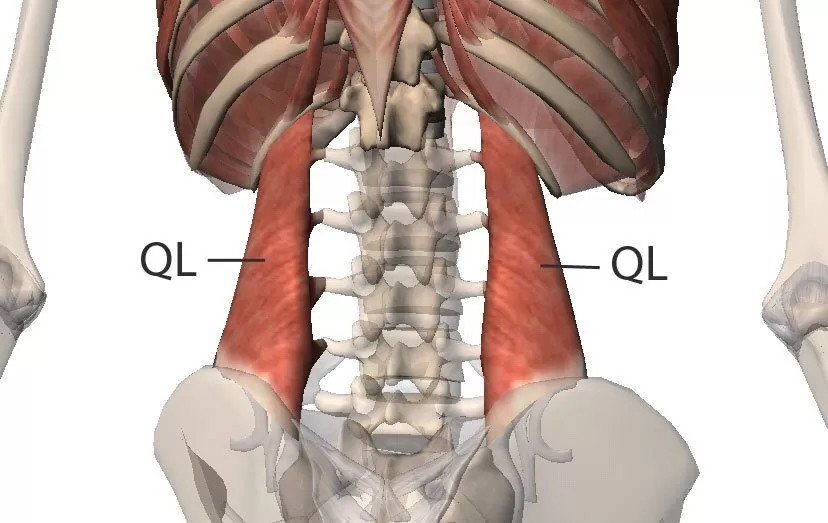
Many sports and daily activities naturally favour one side of the body.
If you play golf, tennis, baseball, ice hockey, or pickleball — or even habitually carry a child or bag on one side — your body begins to move unevenly.
Over time, this leads to:
The result? Persistent low back tightness or pain that doesn’t fully resolve — even with stretching.

Take a right-handed baseball pitcher as an example. Each throw requires powerful rotation to the left, forcing the left QL to stabilize and decelerate the trunk.
Over time, that left QL becomes tight, overworked, and sore.
This same imbalance shows up in tennis servers, golfers, and hockey players who repeatedly rotate one way.
If not corrected early, it can develop into chronic pain or reduced performance.

You may notice:
It often feels like “core weakness” or “hip stiffness,” but the true problem lies deeper — in your QL and the surrounding stabilizers.
At Pain Free Health, we treated a client who developed a left-sided QL strain after years of one-sided sport mechanics.
Their right-handed sport led to over-rotation in one direction, forcing the left QL to overwork. The imbalance built gradually until the muscle finally gave out under stress.
Key lesson: these imbalances don’t appear overnight — they accumulate over time.
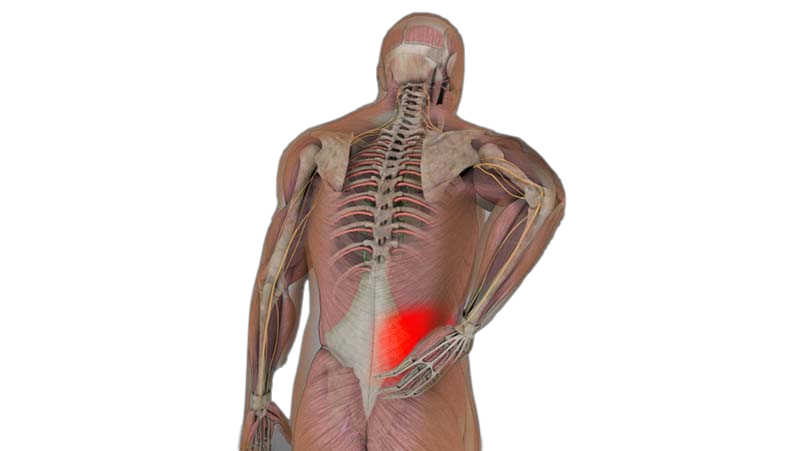
When QL imbalance isn’t addressed, it can contribute to:
Balance is the solution.
Focus on these strategies to protect and retrain your core:
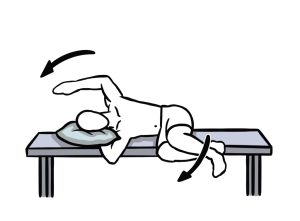
1. Side-Lying QL Stretch
Tip: Keep breathing deeply to help release tension.
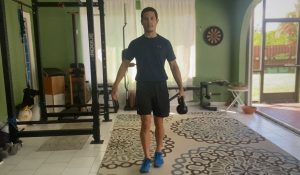
2. Suitcase Carry (Anti-Lateral Flexion Exercise)
Why it works: strengthens both QL muscles evenly and improves trunk stability.
At Pain Free Health Clinic, our physiotherapists specialize in identifying and correcting muscle imbalances like QL dysfunction.
We use a combination of:
Whether you’re an athlete or someone experiencing chronic back pain from daily habits, our team can help you move better, feel stronger, and stay pain free.
Pain Free Health Clinic
Serving South Surrey, Langley, Richmond, and Ladner BC
🌐 www.painfreehealth.ca
📞 Call us today to book your physiotherapy assessment.


