If you’ve ever experienced knee pain, chances are it was felt on the inside (medial) portion of the knee rather than the outside (lateral). This isn’t a coincidence. Medial knee pain is significantly more common due to the unique anatomy and biomechanics of the knee joint.
Understanding why the medial side is more vulnerable can help patients recognize symptoms earlier, seek appropriate care, and prevent long-term joint issues.
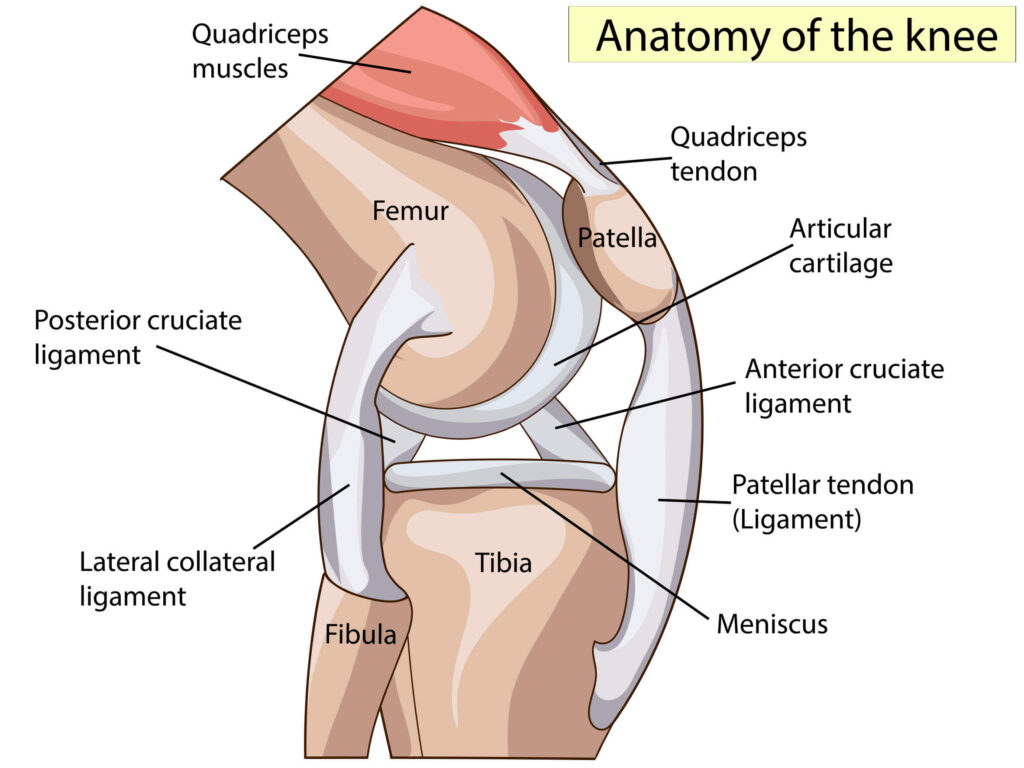
The knee joint is formed by the femur (thigh bone), tibia (shin bone), and patella (kneecap). At the bottom of the femur are two rounded surfaces called condyles:
These two structures are not symmetrical, and that asymmetry plays a major role in how forces move through the knee.
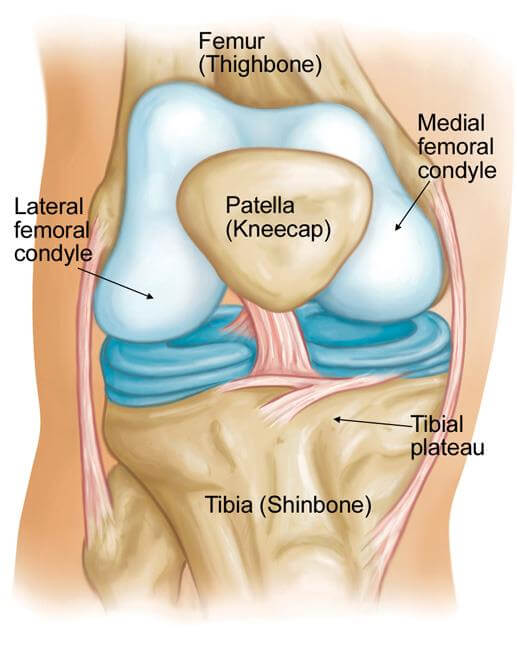
The medial femoral condyle is larger and extends farther downward than the lateral condyle. Because of this:
Over time, repeated compression makes the medial side more susceptible to irritation, cartilage wear, and overuse injuries.
Each side of the knee handles forces differently:
Medial Knee
Lateral Knee
Because compression-related tissues are less forgiving over time, the medial knee tends to become painful sooner.
Another key factor is rotation.
The extra length of the medial femoral condyle allows for greater tibial rotation during knee flexion, which is essential for normal movement (often referred to as the “screw-home mechanism”).
While this rotation is necessary, it also means:
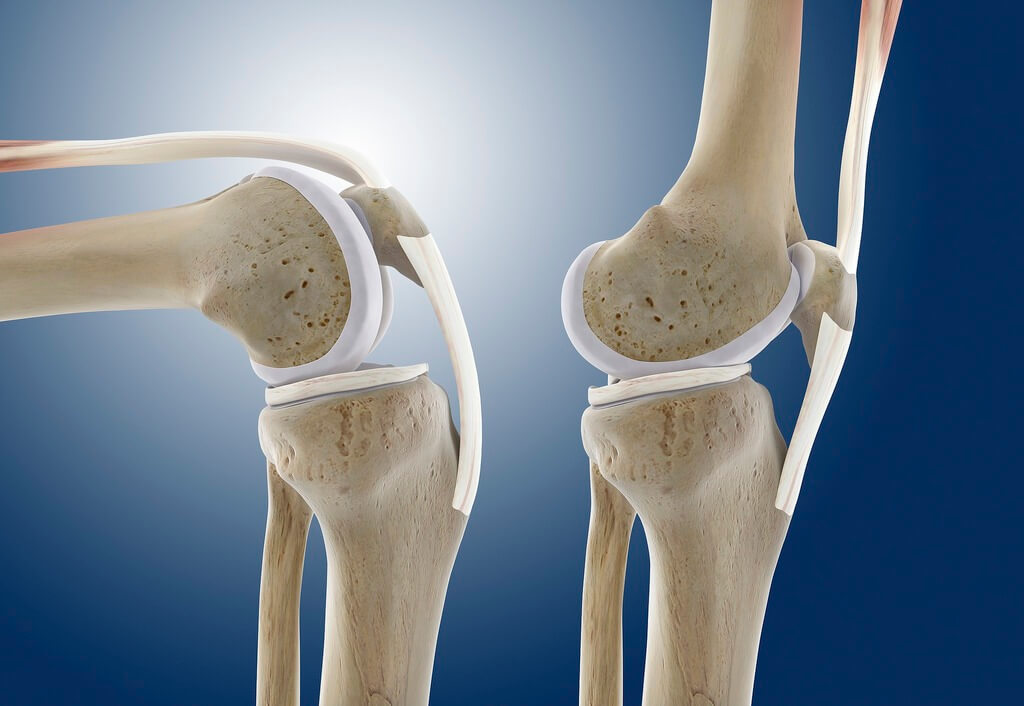
The lateral femoral condyle, though smaller, plays an important stabilizing role. Its shape helps:
This protective function means the lateral knee is often less exposed to direct compressive overload.
When you combine:
…it becomes clear why the medial knee is more vulnerable.
Common conditions associated with medial knee pain include:
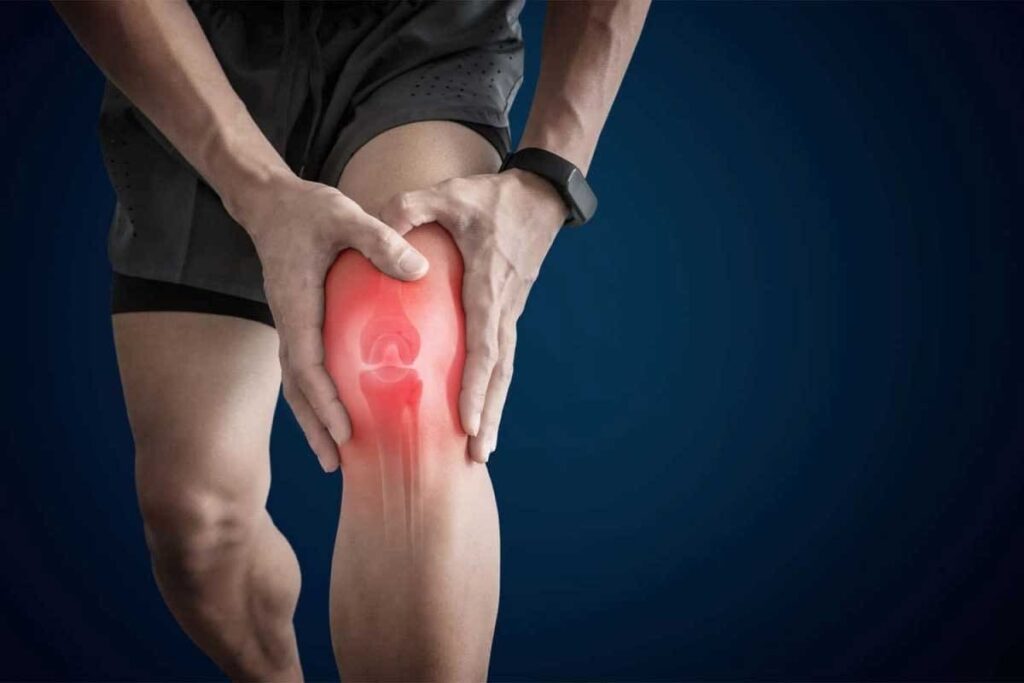
Medial knee pain is rarely caused by anatomy alone. Factors that increase medial loading include:
These movement issues funnel even more stress into an already load-bearing area.
Proper evaluation looks beyond the knee itself. A comprehensive assessment may include:
Identifying the source of excessive medial load is essential for long-term relief.
Medial knee pain is more common because the inside of the knee is designed to bear more load, absorb more compression, and allow rotation during movement. While this design supports efficient motion, it also makes the medial knee more susceptible to pain when movement mechanics break down.
The good news? Most medial knee pain is mechanical and manageable when addressed early with the right approach.
At our clinic, we focus on:
✔ Identifying the cause of medial knee overload
✔ Improving movement mechanics
✔ Reducing unnecessary joint stress
✔ Restoring strength, mobility, and confidence
If you’re dealing with inner knee pain, don’t ignore it. Early assessment can make a significant difference in recovery and long-term joint health.
Book a comprehensive knee evaluation today.


