Soccer is an asymmetrical sport that can lead to muscle imbalances and injury risk. Learn how physiotherapy assessments identify weaknesses, improve movement, and help prevent injuries.
Soccer Is an Asymmetrical Sport and It Can Affect How You Move
Soccer requires repeated use of one side of the body more than the other.
Over time, this can create imbalances that affect how you move, perform, and handle physical stress.
These changes are not always obvious at first, but they can build up and increase your risk of injury if not addressed early.

What Are Muscle Imbalances in Soccer
Muscle imbalances occur when certain muscles become overused while others are underused or weaker.
Because soccer involves kicking, pivoting, and directional movement, one side of the body often becomes dominant.
This imbalance can affect stability, coordination, and overall movement efficiency.
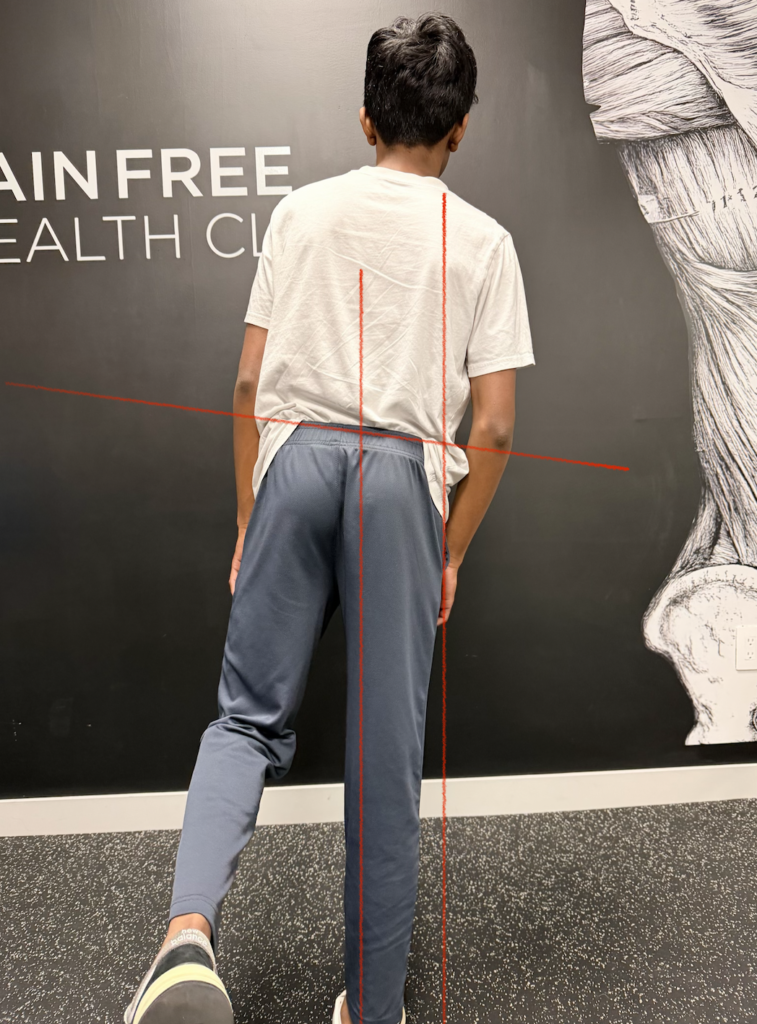
Why Imbalances Happen in Soccer
Imbalances develop gradually through repetitive movement patterns and sport-specific demands.
They are often linked to:
• repeated use of one dominant side
• uneven strength between left and right
• poor movement mechanics
• lack of targeted strength training
• compensation during activity
As these patterns continue, the body adapts in ways that may increase strain and reduce control.
What We Look for in an Assessment
A physiotherapy assessment helps identify how an athlete moves and where imbalances may exist.
We focus on:
• overused and underused muscles
• poor movement patterns
• compensation during activity
• areas that need strengthening
This gives a clearer picture of how the body is functioning during sport.

How Assessments Help Improve Performance
Identifying imbalances early allows for targeted corrections that support better movement.
This may help:
• improve control and stability
• enhance movement efficiency
• reduce unnecessary strain on joints
• lower the risk of injury
The goal is to support both performance and long-term health.
Why Early Intervention Matters
Muscle imbalances do not correct themselves over time.
Without proper guidance:
• compensation patterns may worsen
• movement becomes less efficient
• injury risk increases
• performance may decline
Addressing these issues early helps prevent more serious problems later.
Who Can Benefit From This
This approach may help:
• youth and competitive soccer players
• athletes experiencing recurring discomfort
• teams looking to reduce injury risk
• players wanting to improve performance
• individuals with noticeable movement imbalance
Final Thoughts
Soccer places unique demands on the body, and small imbalances can have a big impact over time.
Understanding how your body moves is the first step toward improving performance and preventing injury.
With the right assessment and approach, you can move better, play stronger, and stay in the game longer.
Take the Next Step Toward Injury Prevention
If you or your team want to improve performance and reduce injury risk, a proper assessment can help identify what your body needs.
Pain Free Health Clinic provides services in:
Richmond
Ladner
Surrey
Langley
Book your team assessment today and stay ahead of injuries.
Want to see how physiotherapy assessments identify imbalances and improve movement?
Watch our videos demonstrating how targeted assessments and rehab strategies support performance and reduce injury risk.
Follow Pain Free Health Clinic on YouTube, Instagram, Facebook, and TikTok for more physiotherapy tips and athlete-focused content.


