Jaw pain or clicking when chewing? Learn how TMJ issues are linked to muscle tension and how dry needling can help reduce pain, improve movement, and prevent symptoms from coming back.
Jaw Pain or Clicking? It Might Be Your TMJ
Jaw pain, clicking, or tension when chewing can be frustrating and uncomfortable. It can affect how you talk, eat, and even how your face feels throughout the day.
Many people think it’s just a joint issue, but in many cases, the problem comes from tight muscles around the jaw.
This is where TMJ-related issues often begin.
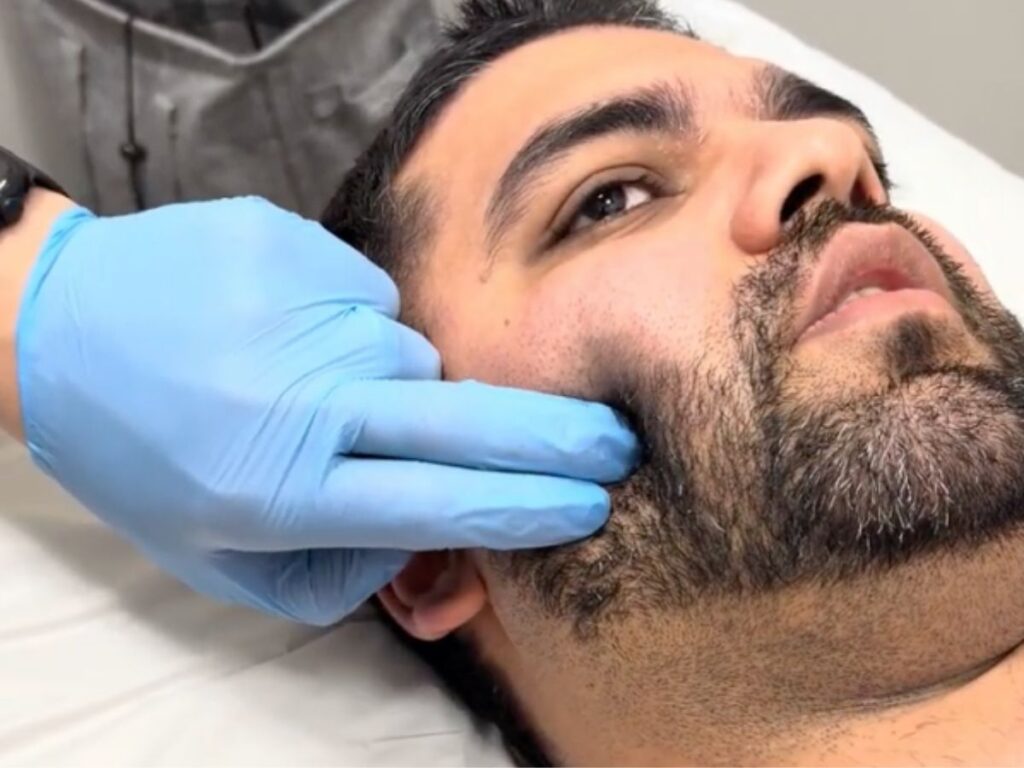
What Is TMJ
TMJ stands for the temporomandibular joint. It connects your jaw to your skull and allows you to open, close, and move your mouth.
This joint works closely with surrounding muscles to control movement. When these muscles become tight or overworked, it can affect how your jaw moves.
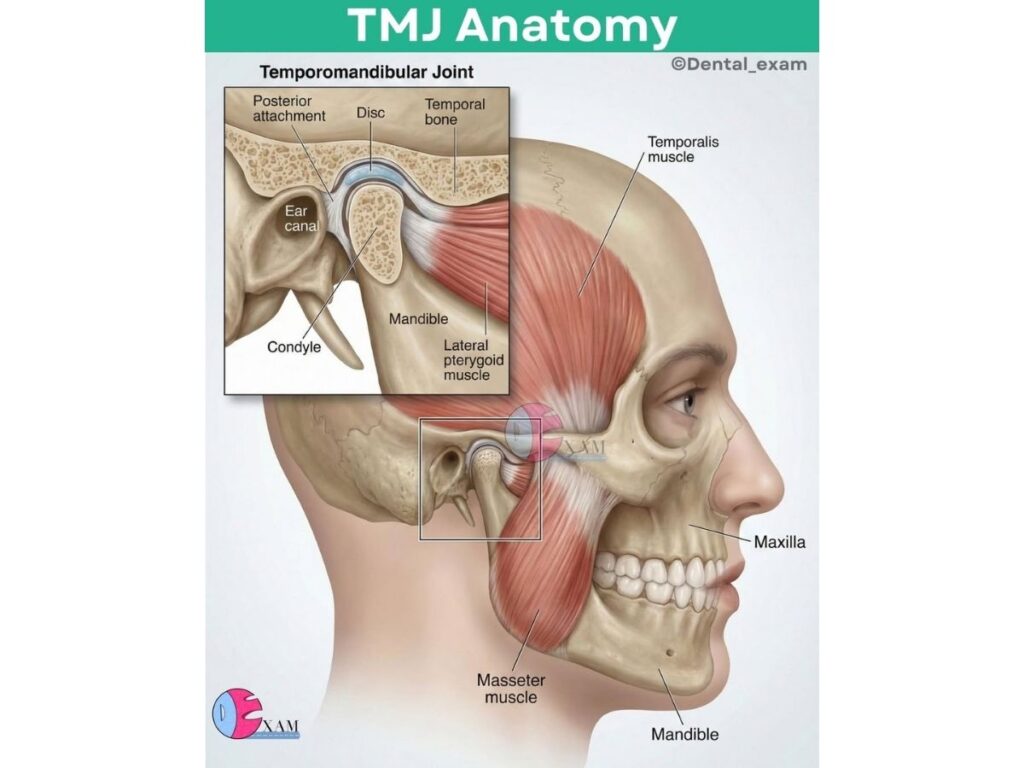
Why TMJ Pain Happens
Jaw tension can build up from everyday habits and stress.
Common causes include:
• clenching or grinding teeth
• stress and muscle tension
• poor posture
• repetitive jaw movement
• muscle imbalance
When these factors are present, the muscles around the jaw can become tight, leading to pain, clicking, or restricted movement.
How Dry Needling Helps TMJ
Dry needling is used to target tight muscles directly, including the muscles around the jaw such as the masseter.
By releasing tension in these muscles, it may help:
• reduce jaw tension and pain
• decrease pressure in the joint
• improve movement when talking or chewing
• restore normal muscle function
This allows the jaw to move more smoothly and comfortably.
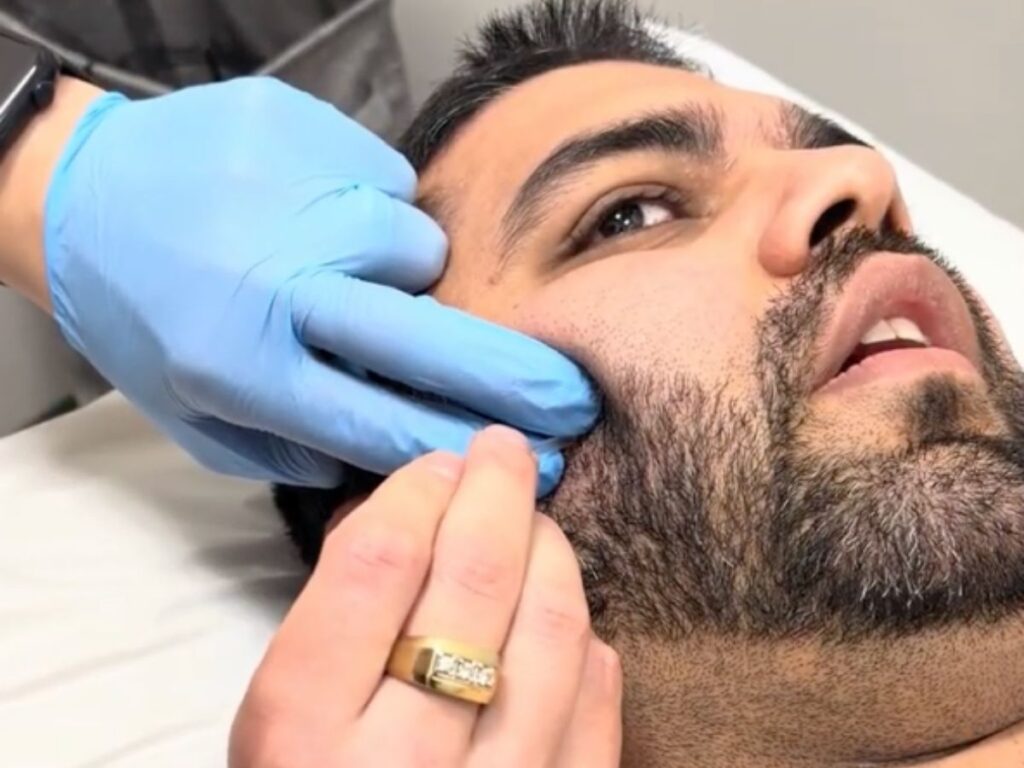
Why Your Symptoms Keep Coming Back
If the tight muscles around your jaw are not properly addressed, the same tension can return.
This can happen when:
• trigger points are not released
• stress and clenching continue
• posture is not improved
• muscle patterns remain the same
That’s why treating the source of the problem is important—not just the symptoms.
Why a Proper Assessment Matters
Not all jaw pain is caused by the same issue.
A proper assessment helps:
• identify the source of your symptoms
• assess muscle tension and movement
• determine contributing factors
• guide the right treatment approach
This ensures your care is targeted and effective.
Who Can Benefit From This Treatment
This approach may help individuals who experience:
• jaw pain or tightness
• clicking or popping sounds
• discomfort when chewing
• facial tension or headaches
• recurring TMJ issues
Final Thoughts
TMJ pain is often more than just a joint problem—it’s how your muscles are functioning and supporting movement.
By addressing muscle tension directly, dry needling can help improve how your jaw feels and moves.
Small changes in muscle function can make a big difference in your daily comfort.
Take the Next Step Toward Relief
If your jaw pain isn’t improving or keeps coming back, it may be time to take a closer look.
Pain Free Health Clinic provides services in:
Richmond
Ladner
Surrey
Langley
Book your assessment today and start feeling better.
Want to see how dry needling helps reduce jaw tension and improve movement?
Watch our videos demonstrating how targeted treatment supports recovery and comfort.
Follow Pain Free Health Clinic on YouTube, Instagram, Facebook, and TikTok for more physiotherapy tips and treatment demonstrations.


