Learn why prolonged screen time can lead to neck stiffness, how chin tucks may help improve posture and neck strength, and why addressing the problem early matters.
Does Your Neck Feel Stiff After Looking at a Screen All Day?
If your neck feels sore, stiff, or tired after spending hours at a desk or looking at a screen, you're not alone.
Modern work habits often require prolonged sitting and extended periods of looking at computers, tablets, or phones. Over time, these positions can place extra stress on the muscles that support your neck, especially if the deep neck muscles become weak or underactive.
The good news is that simple exercises may help improve muscle function and support better posture throughout the day.

Why Does Screen Time Cause Neck Stiffness?
Your head weighs several kilograms, and when it stays in a forward position for long periods, the muscles in your neck and shoulders have to work harder to support it.
Common contributors to neck stiffness include:
Over time, these factors may contribute to muscle fatigue, stiffness, and reduced neck mobility.
What Are Chin Tucks?
Chin tucks are a simple exercise designed to activate the deep neck flexor muscles that help support proper neck alignment and posture.
Unlike larger neck muscles that often become overworked, the deep neck muscles provide stability and help maintain good positioning during everyday activities.
This exercise is commonly included in rehabilitation programs for individuals experiencing posture-related neck discomfort.
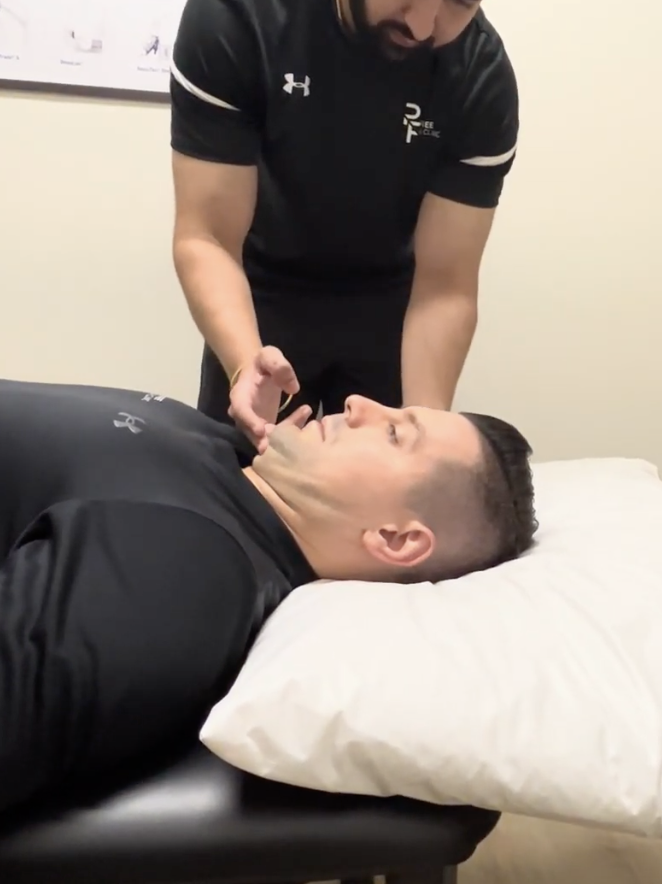
What Are Chin Tuck Isometrics?
Once you're comfortable performing chin tucks, adding an isometric hold can help further strengthen the muscles that support your neck.
Holding the position against gentle resistance helps improve muscle endurance, allowing your neck to better tolerate prolonged sitting, desk work, and screen time.
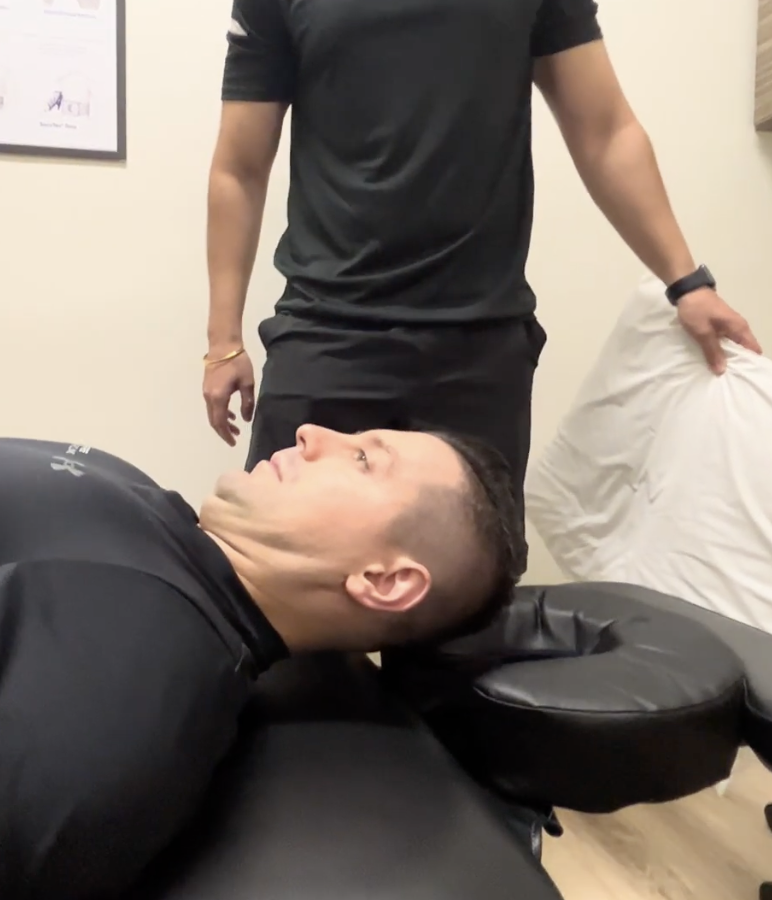
How These Exercises May Help
When performed correctly, chin tucks and chin tuck isometrics may help:
These exercises are often recommended as part of a broader rehabilitation program based on your individual needs.
Why Early Treatment Matters
Persistent neck stiffness shouldn't simply be accepted as part of working at a desk.
When poor posture and muscle weakness continue over time, they may contribute to ongoing discomfort and make everyday activities less comfortable.
Addressing these issues early through exercise, movement education, and professional guidance may help improve long-term neck health.
Final Thoughts
If your neck regularly feels stiff after a day at the computer or using your phone, strengthening the muscles that support your neck may help.
Chin tucks and chin tuck isometrics are simple exercises that may improve posture, build endurance, and support more comfortable movement when performed as part of an individualized rehabilitation program.
A professional assessment can help determine which exercises are most appropriate for your specific condition.
Take the Next Step Toward Better Neck Health
If neck stiffness or posture-related discomfort is affecting your work, daily activities, or quality of life, a professional assessment can help identify what's contributing to the problem.
Pain Free Health Clinic provides physiotherapy, rehabilitation, movement assessment, posture education, and recovery-focused care in:
📍 Richmond
📍 Ladner
📍 Surrey
📍 Langley
Watch These Neck Exercises in Action
Want to see how chin tucks and chin tuck isometrics are performed?
Watch the video above to learn how these simple exercises may help improve posture, strengthen the muscles that support your neck, and reduce stiffness associated with prolonged screen time.
Learn More About Neck Pain & Posture
Want more educational content about neck pain, posture, rehabilitation, physiotherapy, and movement?
Follow Pain Free Health Clinic on YouTube, Instagram, Facebook, and TikTok for more movement, rehabilitation, and wellness content.


