Learn about the common causes and symptoms of weak glutes, how glute weakness can affect your hip stability and everyday movement, and how physiotherapy can help improve glute strength and lower-body function.
Weak Glutes: More Than Just a Strength Issue
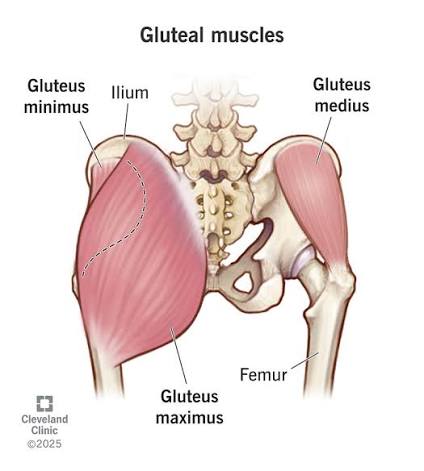
Your glutes do more than shape your hips. They're some of the largest and most important muscle groups in your body, helping you walk, climb stairs, stand up, run, and maintain balance.
The gluteal muscles consist of three main muscles:
Together, these muscles help control your hips and pelvis while supporting proper movement through your lower body.
When your glutes aren't functioning as effectively as they should, other muscles may need to compensate. Over time, this can affect how you move and perform everyday activities.
What Causes Weak Glutes?
Glute weakness can develop for several reasons. It's not always caused by a lack of exercise. Your daily habits, activity levels, movement patterns, and previous injuries can all play a role.
Some common contributing factors include:
1. Prolonged Sitting
Spending long hours sitting at a desk, driving, or working from home means your glutes are less active throughout the day. Limited movement may contribute to reduced strength and muscle conditioning over time.
2. Lack of Regular Strength Training
If your routine doesn't include exercises that challenge your hip and glute muscles, they may not develop the strength needed to support daily movement and physical activities.
3. Previous Injuries or Pain
Hip, knee, or lower back pain can change the way you move. You may unconsciously avoid certain movements or rely more heavily on other muscles, which can affect how your glutes are used.
4. Poor Movement Control
Sometimes, the issue isn't simply muscle strength. Your body may have difficulty coordinating your glutes with other muscles during activities such as walking, squatting, or balancing on one leg.
What Are the Common Signs and Symptoms of Weak Glutes?
Weak glutes don't always cause noticeable symptoms. However, certain movement difficulties may indicate that your hip and glute muscles need more attention.
Here are five signs to look out for:
1. Difficulty Climbing Stairs
Your glutes help extend your hips and support your body as you climb. Reduced hip strength may make stairs feel more challenging, especially when climbing multiple steps.
2. Poor Balance When Standing on One Leg
Your gluteus medius and minimus help keep your pelvis stable. If these muscles aren't providing enough support, you may notice your hips shifting or your balance becoming less steady.
3. Hips Dropping During Walking or Running
When one leg is supporting your body, the muscles around your hip help keep your pelvis level. Reduced hip control may contribute to excessive pelvic movement.
4. Difficulty With Squats and Lunges
Weakness or poor coordination around the hips may make it harder to control your knees and pelvis during lower-body exercises.
5. Compensating With Other Muscles
You may notice your lower back, hamstrings, or other muscles working harder during certain movements. This doesn't automatically mean your glutes are weak, but it may be worth having your movement assessed.
It's important to remember that these signs can have several possible causes. They don't confirm glute weakness on their own.
How Can Weak Glutes Affect Your Everyday Movement?
Your glutes play an important role in controlling movement and distributing forces throughout your lower body. When these muscles lack strength or coordination, certain activities may become more challenging.
Here are a few ways reduced glute function may affect movement:
Glute weakness doesn't automatically mean you'll experience pain or injury. However, improving hip strength and control can help support more efficient movement during daily activities and exercise.
How Can You Strengthen Weak Glutes?
Improving glute strength involves more than doing exercises that target the muscles directly. It's also important to develop hip stability, balance, coordination, and control.
A well-rounded strengthening program may include:
1. Progressive Strength Training
Gradually challenging your glute muscles helps build strength and improve their ability to support your body during different activities.
2. Hip Stability Exercises
The muscles around your hips help control your pelvis and keep your lower body stable. Training these muscles can improve control during walking, running, and single-leg movements.
3. Single-Leg Training
Many everyday activities involve placing most of your weight on one leg at a time. Single-leg exercises help challenge balance, coordination, and hip control.
4. Movement Control and Coordination
Learning to move with proper control can help your glutes work together with the surrounding muscles. This is especially important during squats, lunges, and other functional movements.
Some examples of exercises that can be incorporated into a glute-strengthening program include toe taps, Captain Morgan squats, hurdler lunges, split stance hip hinges with adduction, and hip airplanes. The appropriate exercises and difficulty will depend on your current strength, movement ability, and goals.
What Is the Treatment for Weak Glutes?
The right approach to addressing weak glutes depends on what's contributing to the weakness and how it's affecting your movement.
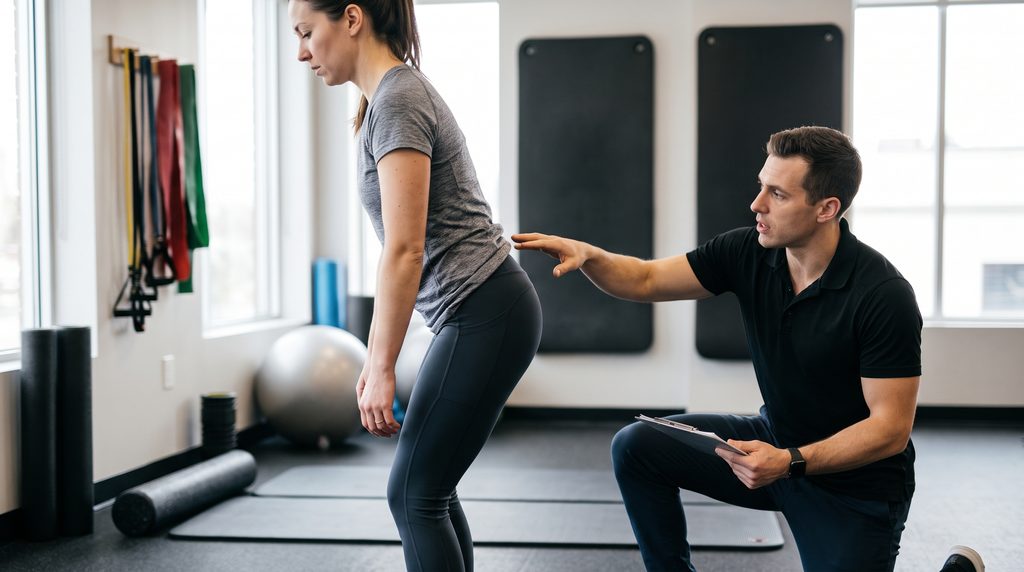
Physiotherapy can help identify areas of weakness, movement limitations, and muscle imbalances that may affect how you move.
A physiotherapist may assess your:
Based on the assessment, your physiotherapist can develop an individualized treatment and exercise program to address your specific needs.
This may include targeted strengthening, movement retraining, manual therapy when appropriate, and education to help you understand how to improve your movement.
The goal isn't simply to strengthen one muscle group. It's to help your body move with better strength, stability, and coordination.
When Should You See a Physiotherapist for Weak Glutes?
If you're experiencing persistent hip discomfort, difficulty with balance, recurring movement limitations, or trouble performing everyday activities, consider having your movement assessed by a qualified physiotherapist.
You don't need to wait until the discomfort becomes severe before seeking guidance. An assessment can help identify contributing factors and determine what type of strengthening or rehabilitation may be appropriate.
Remember, not all hip, knee, or lower back discomfort is caused by weak glutes. A proper assessment can help determine what's contributing to your symptoms.
Need Help Improving Your Hip and Glute Strength?
At Pain Free Health Clinic, our physiotherapy team works with patients to improve strength, mobility, balance, and overall movement.
Whether you're dealing with hip weakness, reduced stability, or difficulty with everyday activities, we can help assess your movement and develop a treatment plan based on your individual needs and goals.
Visit one of our clinics:
You can also book an appointment online.
Learn More About Pain Free Health Clinic
Follow Pain Free Health Clinic on YouTube, Instagram, Facebook, and TikTok for more educational content on weak glutes, glute weakness, hip stability, glute strengthening, and physiotherapy.


