What happens when clinicians from different disciplines come together to learn? Take a behind-the-scenes look at our latest Pain Free Health interdisciplinary workshop, where our team shared clinical perspectives, discussed patient cases, and practiced hands-on skills together.
What Happens When Our Clinicians Learn Together?
Providing multidisciplinary care involves more than having different healthcare professionals working under the same roof.
It also means creating opportunities for clinicians to communicate, exchange perspectives, learn from one another, and better understand how different disciplines may contribute to a patient's care.
That's exactly what our team focused on during our latest Pain Free Health interdisciplinary workshop.
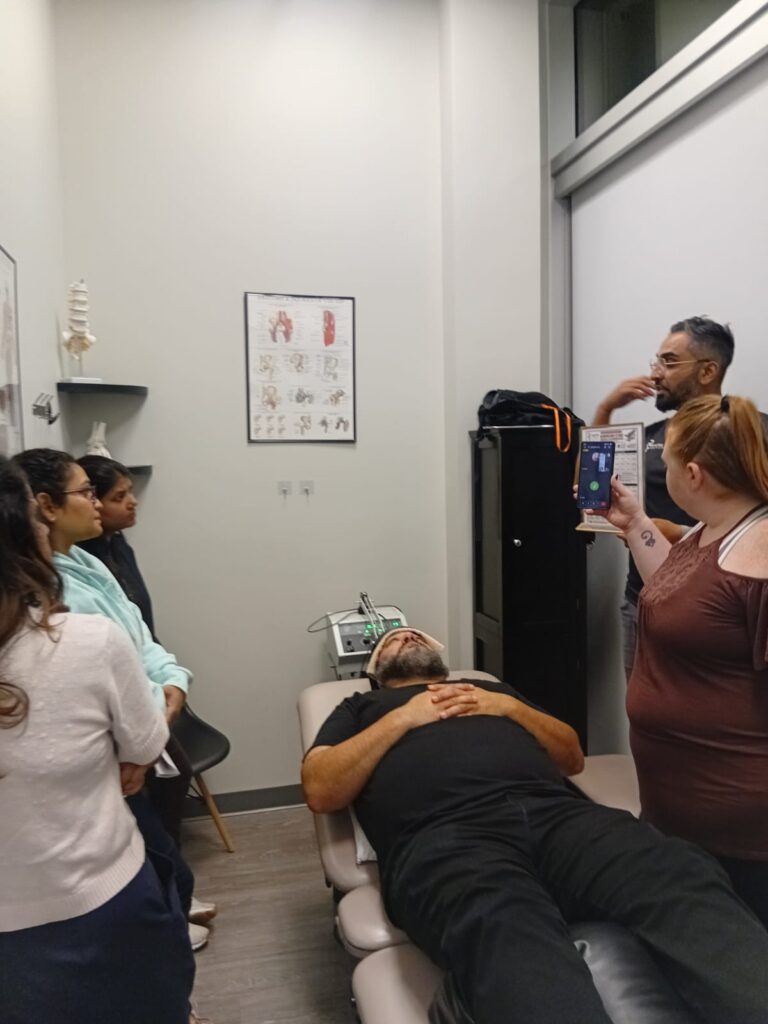
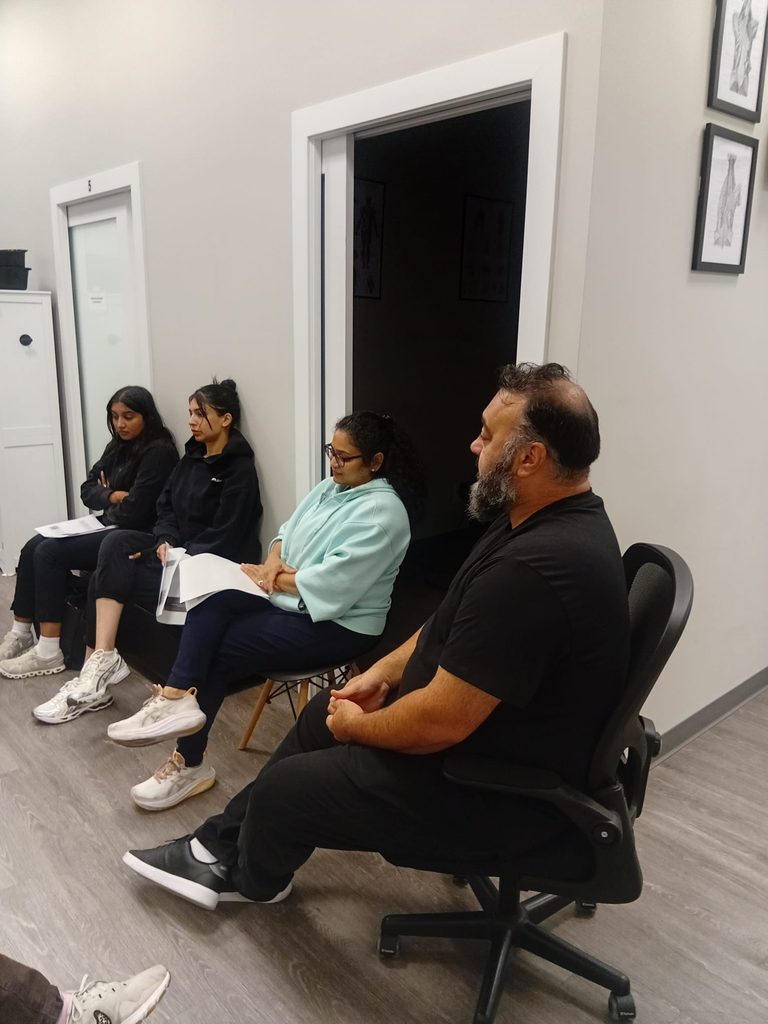
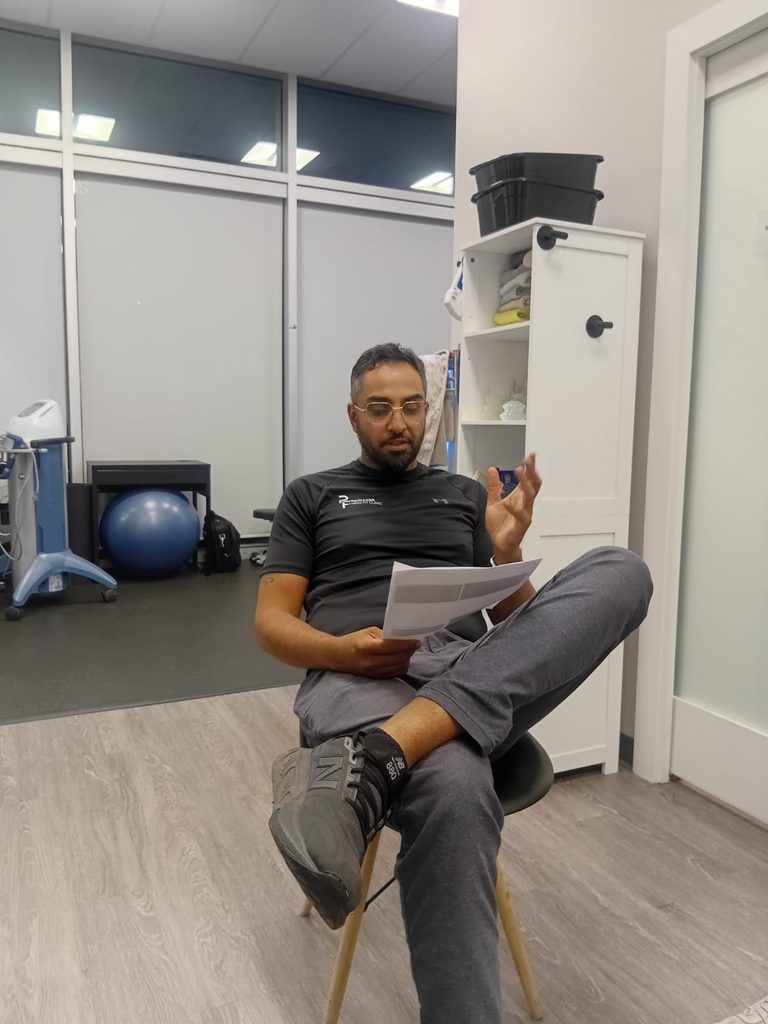
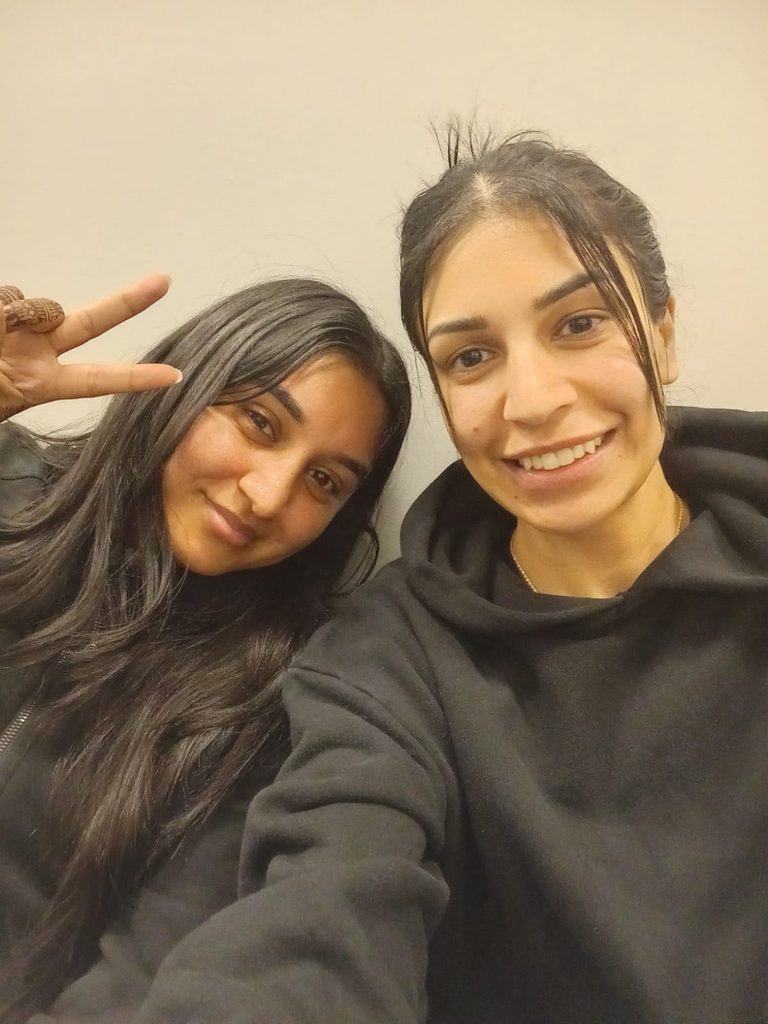
Our clinicians came together for an evening of discussion, hands-on learning, and collaboration across different areas of care.
Learning From Different Clinical Perspectives
Patients don't always arrive with a simple concern that fits neatly into one category.
A patient's symptoms, health history, daily activities, work demands, previous injuries, and personal experiences can all provide important information when determining what may be contributing to their concerns.
During the workshop, our clinicians discussed real clinical situations and shared perspectives on how different practitioners may approach assessment and care.
One important reminder from the discussion was simple:
“Don't teach, just listen.”
Listening carefully to a patient's story can provide valuable information that may not always emerge from a checklist of questions alone.
Why the Patient's Story Matters
Clinical assessments involve asking questions, examining movement and function, and considering relevant physical findings.
But the conversation with the patient matters too.
Learning about someone's symptoms, daily activities, work, hobbies, previous experiences, and how their condition affects their life can help clinicians develop a broader understanding of their situation.
The workshop encouraged our clinicians to continue asking thoughtful questions while also giving patients the opportunity to tell their story.
Exploring Complex Clinical Topics Together
The workshop also gave our team an opportunity to discuss a variety of clinical topics across different disciplines.
These included:
Discussing these topics as a multidisciplinary team allows clinicians to hear perspectives outside their own area of practice.
Hands-On Skills Sharing
The evening wasn't only about presentations and discussion.
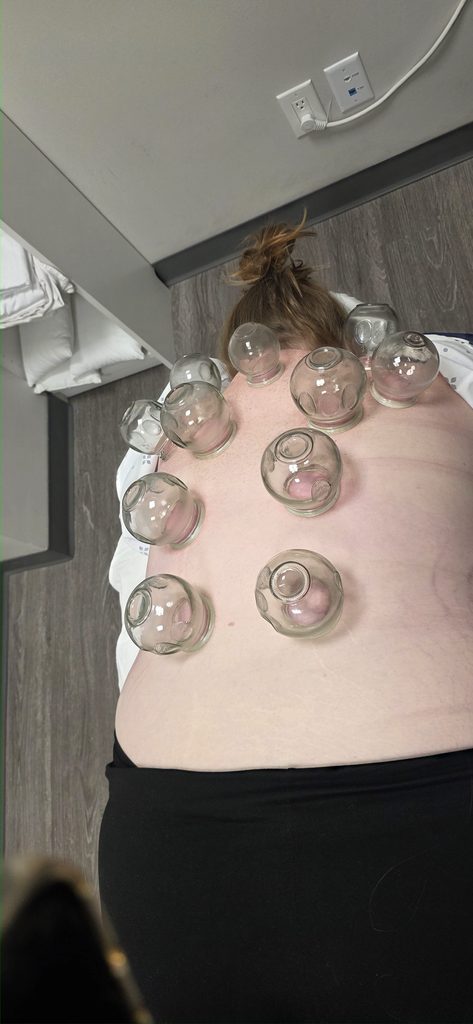
Our clinicians also participated in a hands-on skills swap, giving different disciplines the opportunity to demonstrate techniques and practice with one another.
Hands-on learning provides another way for clinicians to better understand how their colleagues approach different aspects of assessment and treatment.
It also creates opportunities to ask questions, exchange ideas, and learn techniques in a collaborative environment.
Learning Across Disciplines
Physiotherapists, chiropractors, massage therapists, acupuncturists, and other healthcare professionals may approach a patient's concerns from different perspectives.
Understanding those perspectives can be particularly valuable when a patient may benefit from multidisciplinary care or appropriate referral between providers.
The goal isn't for every clinician to provide the same treatment.
Instead, interdisciplinary learning can help clinicians better understand when another perspective or area of expertise may be useful for the patient.
From Assessment to Returning to Everyday Life
Another focus of the workshop was how care can progress beyond the initial stages of treatment.
Depending on the individual, rehabilitation may involve gradually progressing from symptom management and early rehabilitation toward graded loading, work-related activities, sport-specific demands, and eventually returning to meaningful activities.
Every patient's journey is different, which is why assessment, treatment, and progression should reflect their individual condition and goals.
Why Continuing Education Matters at Pain Free Health
Healthcare continues to evolve, and learning doesn't stop when a clinician finishes their formal education.
Workshops like this give our team dedicated time to ask questions, discuss challenging situations, practice skills, and learn from colleagues with different clinical backgrounds.
Ultimately, the goal is simple: continue building a team that communicates and collaborates effectively while keeping the patient at the centre of care.
Learning Together. Caring Together.
At Pain Free Health Clinic, our multidisciplinary team continues to learn from one another so we can better understand the different perspectives that may contribute to patient care.
Sometimes that means learning a new technique.
Sometimes it means discussing a challenging clinical case.
And sometimes, one of the most valuable reminders is simply to listen to the patient.
📍 Richmond
📍 Ladner
📍 Surrey
📍 Langley
Watch the Video
Go behind the scenes of our latest interdisciplinary workshop and see our clinicians discussing real cases, sharing perspectives, practicing hands-on techniques, and learning together.
Learn More From Pain Free Health
Follow Pain Free Health Clinic on YouTube, Instagram, Facebook, and TikTok for more behind-the-scenes content and educational information on physiotherapy, chiropractic care, massage therapy, rehabilitation, movement, and multidisciplinary care.


