Learn why knees may cave inward during squats, how weak hip stabilizers can affect squat mechanics, and which exercises may help improve glute activation, hip control, and knee alignment.
Do Your Knees Cave In When You Squat?
If your knees tend to collapse inward when you squat, lunge, or move through other lower body exercises, weak hip stabilizers may be contributing to the problem.
This movement pattern is often called knee valgus or knee cave, and it can happen when the muscles around the hips are not providing enough support and control during movement.
The good news is that targeted strengthening and activation exercises may help improve hip stability, support better squat mechanics, and keep the knees in a stronger position during lower body movement.
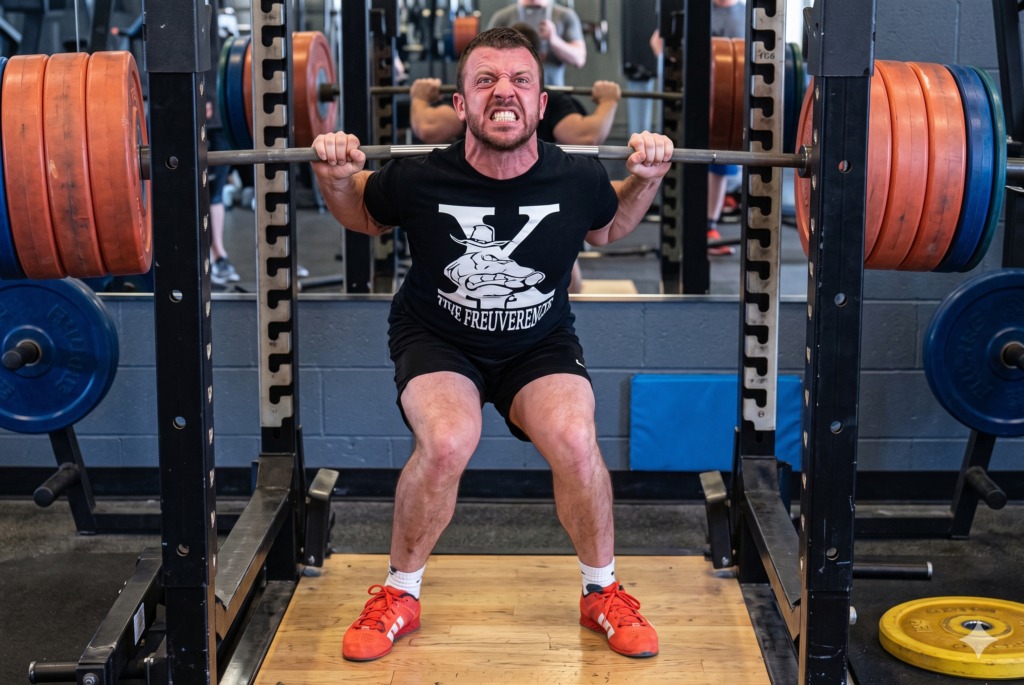
Why Do Knees Cave In During a Squat?
When the knees collapse inward during a squat, it often means the lower body is not controlling the movement as efficiently as it could.
The hips play a major role in keeping the knees aligned. If the muscles around the hips — especially the glutes and lateral hip stabilizers — are weak or not activating well, the knees may drift inward during squats, stairs, lunges, landing, or other functional movements.
This doesn’t always mean something is injured, but it can be a sign that the body needs better hip strength, control, and movement awareness.
Why Hip Stability Matters
The hips help control the position of the femur and influence how the knee tracks during movement.
When the glutes and hip stabilizers are doing their job well, they can help:
• keep the knees aligned during squats and lunges
• improve control during stairs, jumping, and single-leg movements
• support better lower body mechanics
• reduce unnecessary stress through the knees
Improving hip control may not just help your squat form — it can also support better movement during everyday activities and exercise.
Exercises That May Help Improve Knee Alignment
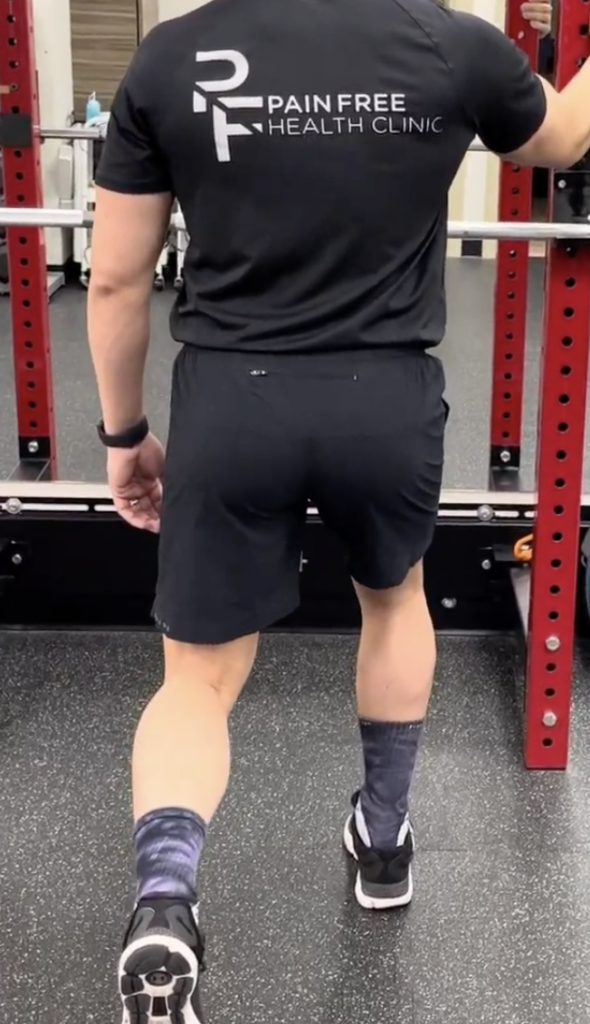
The exercises in this routine are designed to improve glute activation, hip stability, and lower body control.
1. Hip Setting
Hip setting is a simple activation exercise that helps “wake up” the glute muscles.
This can be useful if your glutes are not engaging well before squats or other lower body movements. Better glute activation may help improve control through the hips and support the knees during exercise.
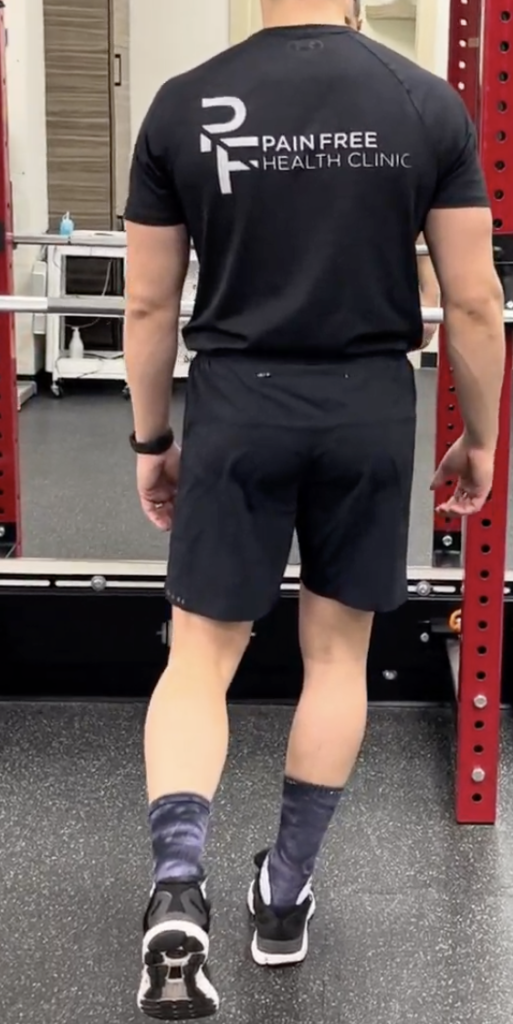
2. Standing Hip Abduction
Standing hip abduction targets the muscles on the outside of the hip, especially the glute medius.
These muscles play an important role in stabilizing the pelvis and helping control the position of the knee during squats, walking, stairs, and single-leg movements.
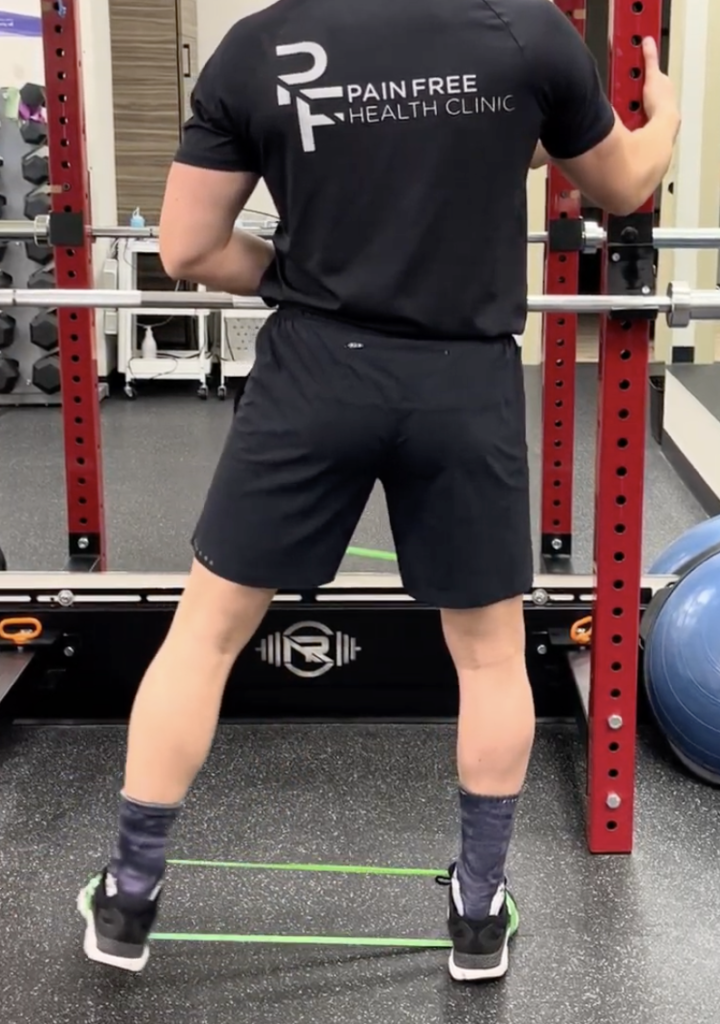
3. Hip Setting with Abduction
This variation combines glute activation with controlled movement.
Adding abduction helps reinforce the role of the lateral hip muscles while challenging the body to maintain better alignment and control.
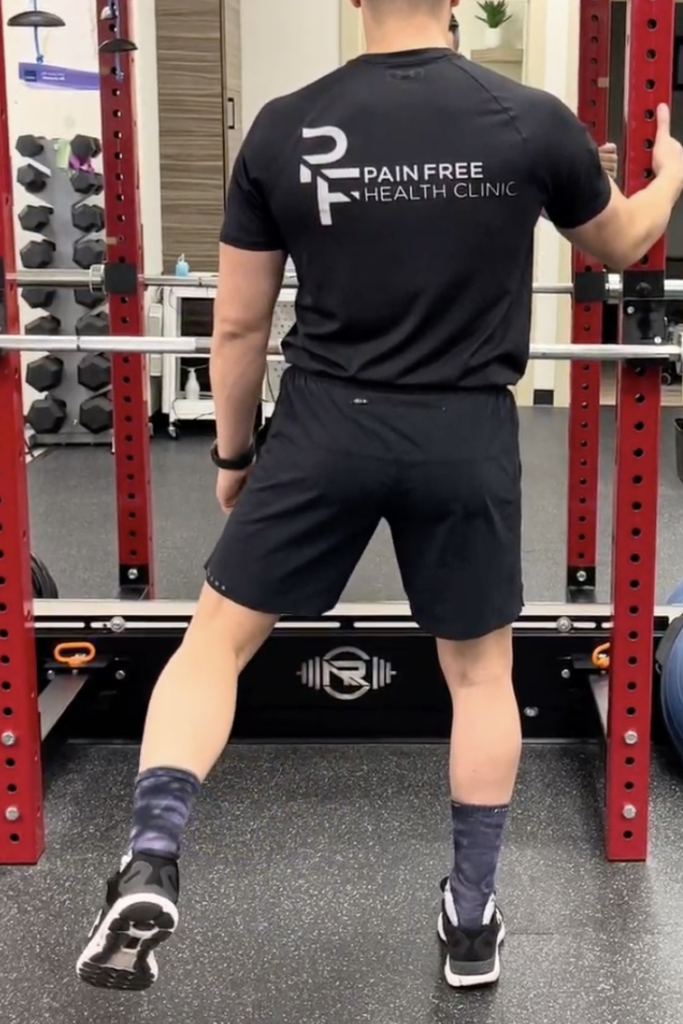
4. Hip Setting with Quarter Squat
This exercise begins to bridge the gap between activation work and a more functional movement pattern.
Adding a quarter squat helps train the hips and knees to work together during a movement that more closely resembles real-life squatting, sitting, lifting, and lower body exercise.
What These Exercises May Help With
This type of routine may help:
• activate the glutes before lower body workouts
• strengthen the hip stabilizers
• improve squat control
• support better knee alignment
• improve lower body movement quality during exercise and daily activities
Consistency matters when it comes to improving movement patterns. Small activation and control drills can make a big difference over time.
Final Thoughts
If your knees cave in when you squat, it doesn’t necessarily mean you should stop squatting — but it may be a sign that your hips need more strength, stability, and control.
Working on glute activation and hip stabilizer strength may help improve the way your knees and lower body move during squats, lunges, stairs, and workouts.
Sometimes better movement starts with improving the foundation.
Take the Next Step Toward Better Lower Body Control
If knee cave, poor squat control, hip weakness, or lower body discomfort is affecting your training or daily activities, a professional assessment can help identify what may be contributing to the problem.
Pain Free Health Clinic provides physiotherapy, rehabilitation, movement assessment, strength-based rehab, and recovery-focused care in:
📍 Richmond
📍 Ladner
📍 Surrey
📍 Langley
Watch These Hip Stability Exercises in Action
Want to see these glute activation and hip stability exercises demonstrated?
Watch the video above for a simple routine that may help improve squat mechanics, knee alignment, and lower body control.
See More Lower Body Rehab & Exercise Tips
Want more educational content about hip strength, knee alignment, squat mechanics, injury prevention, and rehabilitation?
Follow Pain Free Health Clinic on YouTube, Instagram, Facebook, and TikTok for more movement, rehabilitation, and wellness content.


