Learn what causes Posterior Tibialis Tendon Dysfunction (PTTD), how to recognize the signs early, and when physiotherapy can make the biggest difference in recovery.
Posterior Tibialis Tendon Dysfunction: What Every Clinician Should Know
Posterior tibialis tendon dysfunction (PTTD) is one of those conditions that can quietly progress for months before a patient ever mentions it, often dismissed as "a bit of ankle pain" until the foot has already begun to change shape. Understanding why it happens, how it presents, and when physiotherapy can actually make a difference is key to catching it early and managing it well.
What Causes PTTD?
PTTD rarely has a single cause. It tends to arise from a combination of intrinsic vulnerability, mechanical overload, and rarely an underlying inflammatory process.
Intrinsic factors
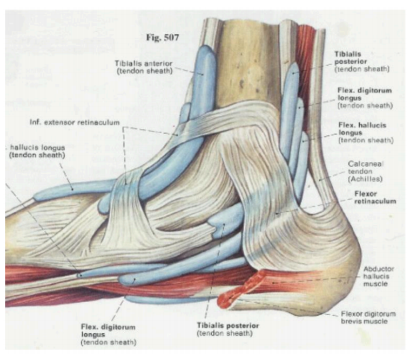
The posterior tibialis tendon runs through a region of relatively poor blood supply as it curves behind the medial malleolus. This area makes it prone to gradual degeneration over time. It's also worth noting that PTTD disproportionately affects women, particularly in middle age.
Inflammatory causes
Less common, but important not to miss: seronegative arthropathies can also affect the tendon. If a patient presents with bilateral symptoms and there's no obvious traumatic or mechanical trigger, it's worth pausing before labelling it a straightforward overuse injury. A referral back to the GP for further medical workup is the appropriate next step in these cases.
Mechanical overload
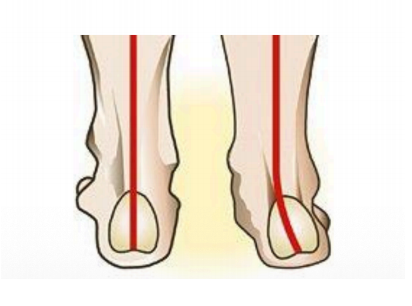
This is by far the most common cause. Excessive subtalar joint (STJ) valgus places greater demand on the posterior tibialis tendon, which is already working hard to support the medial longitudinal arch and control pronation throughout the gait cycle. Over time, this repetitive overload leads to tendon degeneration and, eventually, dysfunction.
Recognising the Clinical Picture
Patients typically report pain and swelling along the inside of the ankle, centred around the medial malleolus and the tendon's insertion at the navicular. On assessment, look out for:
The "Too Many Toes" Sign
A simple but effective observational test:
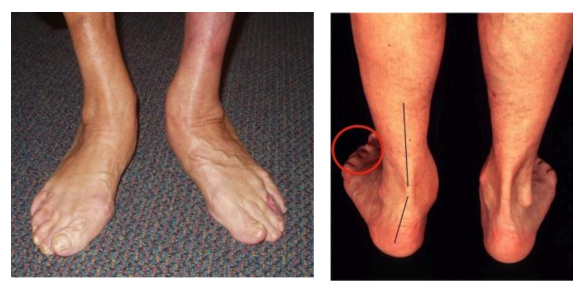
Stand behind the patient and look at their feet. Normally, you should see two to three toes on the lateral side of each foot. If four or five toes are visible, this points to forefoot abduction consistent with posterior tibialis dysfunction.
The Heel Raise Test
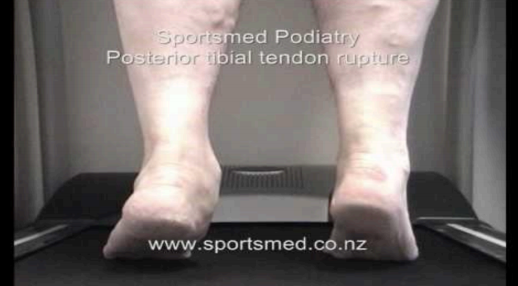
The double-leg heel raise is a valuable functional marker. Normally, as the heel lifts, the subtalar joint should correct into varus (supination). If the heel stays in valgus and fails to invert, that's a positive finding, a strong indicator of posterior tibialis dysfunction. As the condition advances, patients may also struggle with, or be entirely unable to perform, a single-leg heel raise due to pain or weakness.
Physiotherapy Management: Timing Is Everything
Here's the clinical reality:
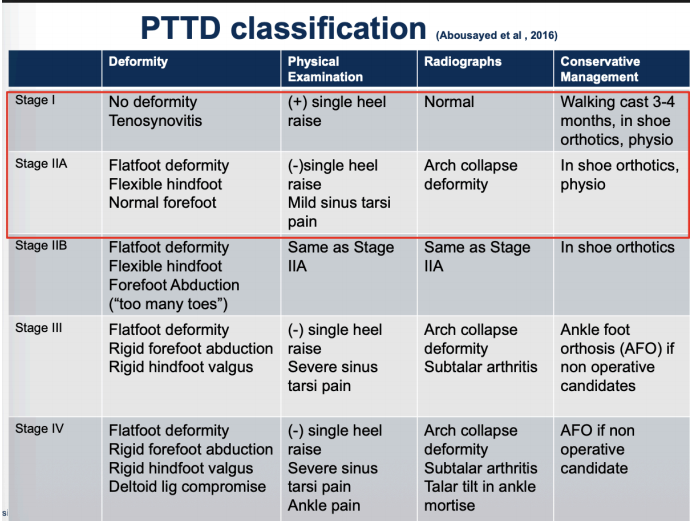
Physiotherapy is most effective during Stage I and early Stage IIA, while the tendon still retains reasonable function and symptoms remain manageable.
Once the condition progresses beyond this window and structural deformity sets in, conservative management becomes far less effective. At that stage, patients often need:
Early-Stage Management
The initial priority is calming things down while preserving and gradually rebuilding the tendon's capacity to tolerate load. This typically includes:
Progressive Rehabilitation
Once symptoms settle, the focus shifts from rest to progressive loading. A well-structured programme should include:
The end goal is twofold: build the tendon's tolerance to load, and improve overall foot control during daily activities and gait.
The Takeaway
PTTD is a condition where early recognition genuinely changes the outcome. A quick "too many toes" check and a heel raise assessment can flag the problem long before structural changes become irreversible and that early window is exactly where physiotherapy has the most to offer.
About the Author
This article was prepared by Helia Jafary, Physiotherapy Student at Pain Free Health Clinic. Helia is passionate about helping patients better understand musculoskeletal conditions through evidence-informed education and promoting the importance of early assessment and rehabilitation.
Need Help with Inner Ankle Pain or Suspected PTTD?
If you're experiencing pain along the inside of your ankle, noticing changes in your foot shape, or having difficulty with walking or balance, our team can help.
A comprehensive physiotherapy assessment can identify the underlying cause of your symptoms and determine the most appropriate treatment plan for your condition.
📍 Richmond
📍 Ladner
📍 Surrey
📍 Langley
Learn More About Foot & Ankle Health
Follow Pain Free Health Clinic on YouTube, Instagram, Facebook, and TikTok for more educational content on foot pain, ankle injuries, physiotherapy, rehabilitation, injury prevention, and movement health to help you stay active and move with confidence.


