If you’ve been struggling with deep buttock or hip pain that feels like sciatica or piriformis syndrome and therapies have not been helping? You might be dealing with an overlooked condition involving a small but powerful muscle: the Quadratus Femoris.
At Pain Free Health Physiotherapy Clinics in Langley, Ladner, Richmond, Queensborough, and South Surrey, our physiotherapists often see patients with hip and gluteal pain that originates from this deep stabilizing muscle. Understanding how it works and how it can become irritated is key to finding lasting relief.
The Quadratus Femoris is a deep gluteal muscle located between the sit bone (ischial tuberosity) and the femur. Its main job is to help you rotate and stabilize your hip joint during activities like walking, climbing stairs, or bending.
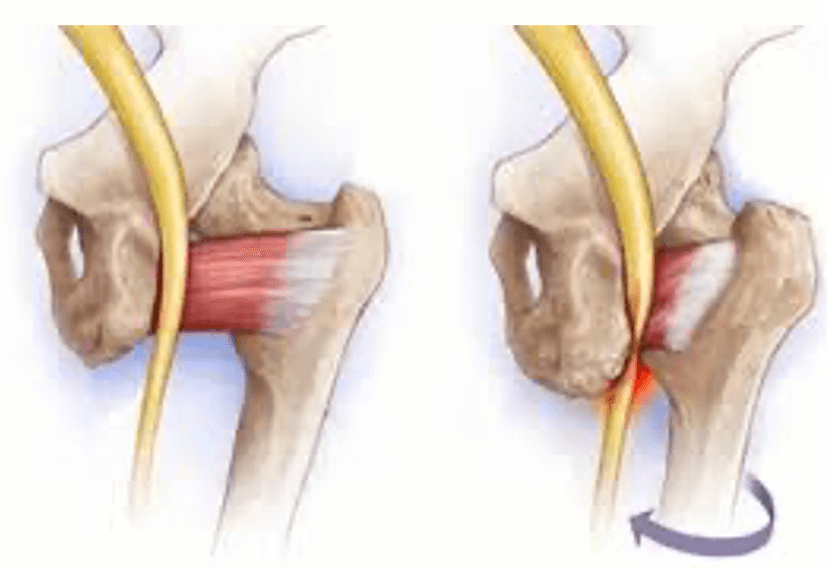
However, because it sits very close to the sciatic nerve, tightness or inflammation in this muscle can easily cause nerve-like pain radiating down the leg and often can mimic sciatica.
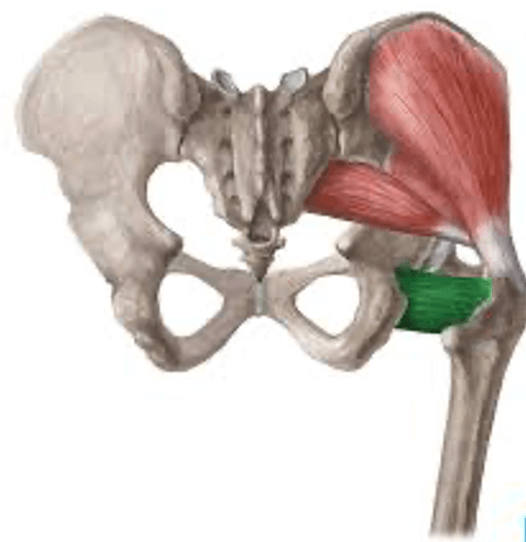
When the space between the hip and the pelvis (called the ischiofemoral space) narrows, it can compress the Quadratus Femoris. This leads to a condition known as Ischiofemoral Impingement (IFI).
Common causes include:
Patients with IFI often describe deep, aching pain in the buttock, worsened by walking, standing, or rotating the hip.
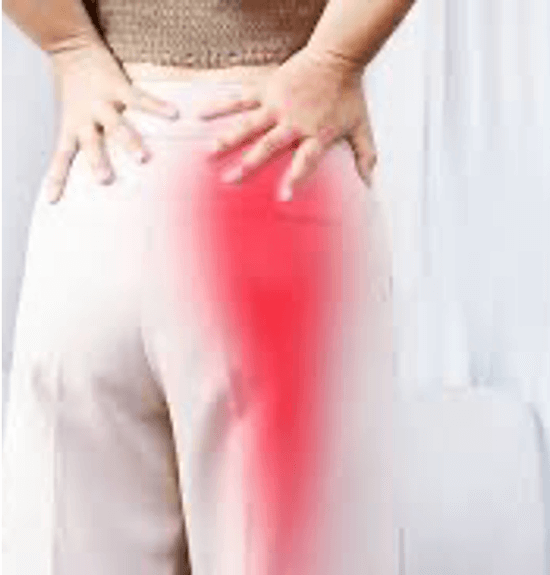
If you have Quadratus Femoris or deep gluteal pain, you may notice:
If this sounds familiar, it’s worth having a physiotherapist assess your deep gluteal muscles — not just your back.
At Pain Free Health, our physiotherapists perform a comprehensive hip and spine assessment to pinpoint the true source of your pain.
Treatment may include:
Our goal is not only to relieve your pain — but to restore mobility and prevent recurrence.
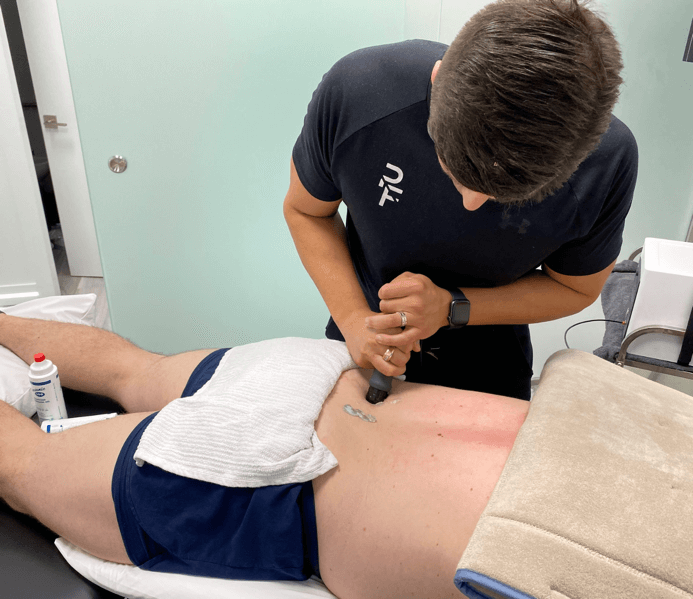
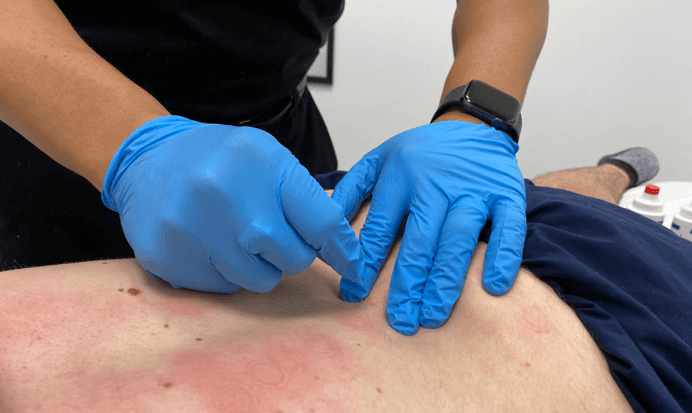
Your physiotherapist may prescribe:
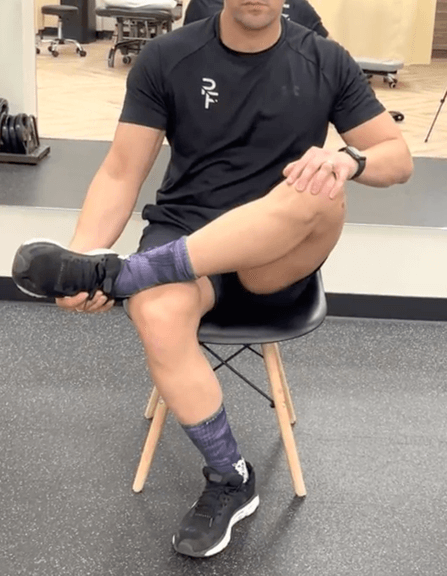
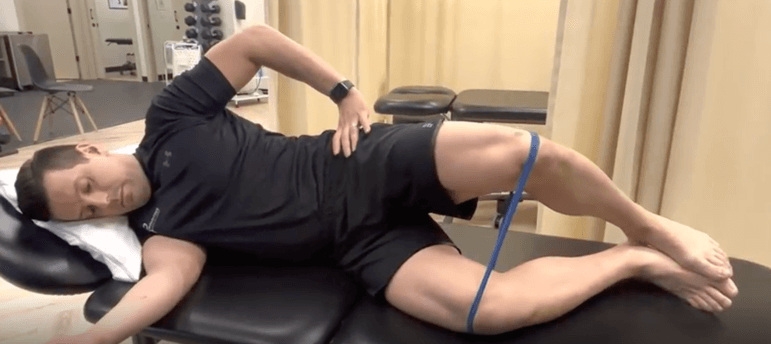
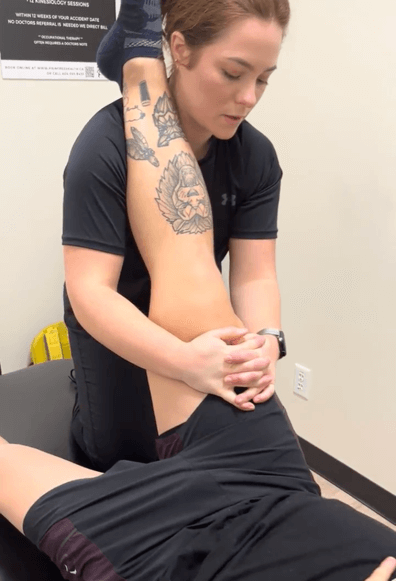
If you’re experiencing persistent deep hip, gluteal, or sciatic-like pain, our expert team at Pain Free Health can help.
We offer personalized physiotherapy, chiropractic, acupuncture, and massage therapy across multiple locations:
Pain Free Health – Richmond (Queensborough)
Pain Free Health – South Surrey
Whether your goal is to get back to sports, improve mobility, or simply live without pain, our team of professionals will guide you every step of the way.


