Learn how a step-by-step back pain treatment approach using acupressure, dynamic cupping, dry needling, and cupping therapy helps reduce muscle tension, improve circulation, and support recovery.
How a Step-by-Step Approach Helps Back Pain
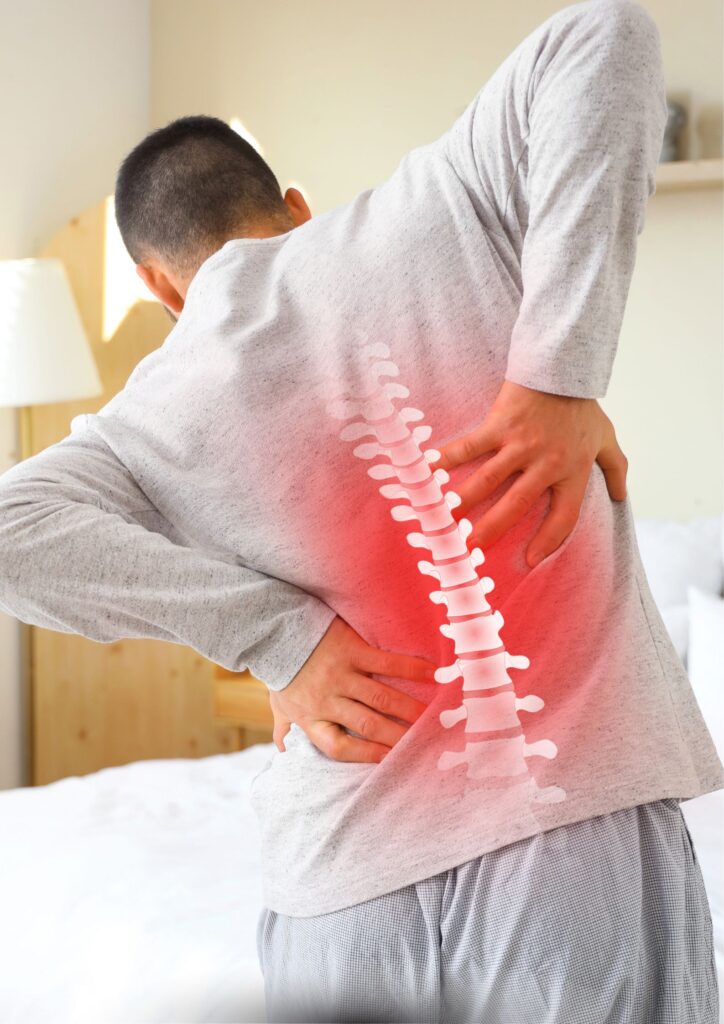
Back pain and muscle tightness are common issues that can affect daily movement, posture, and overall comfort. Whether caused by prolonged sitting, physical work, or repetitive strain, back pain often involves both surface-level tension and deeper muscle dysfunction.
Treating only one layer of the problem may provide temporary relief, but a combination of techniques can help address both the symptoms and the root cause.
A step-by-step treatment approach using acupressure, dynamic cupping, dry needling, and cupping therapy can help release tension, improve circulation, and support long-term recovery.
What Causes Back Pain and Muscle Tightness?
The muscles in the back work together to support posture and movement. When these muscles become overloaded or imbalanced, they can develop tightness, trigger points, and restricted mobility.
Common causes of back pain include:
• Prolonged sitting or poor posture
• Repetitive movements or physical strain
• Muscle imbalances
• Limited mobility in the hips or spine
• Weak core or supporting muscles
• Stress-related muscle tension
These factors can contribute to both superficial tightness and deeper muscle dysfunction.
Why a Multi-Treatment Approach Is Effective
Back pain is often influenced by multiple factors. A single treatment may not be enough to fully address the issue.
Combining different therapies allows practitioners to:
• target both surface and deep muscle layers
• improve blood circulation
• release trigger points
• reduce muscle tension and stiffness
• support the body’s natural healing process
This integrated approach helps improve overall movement and reduce recurring pain.
Step-by-Step Back Pain Treatment
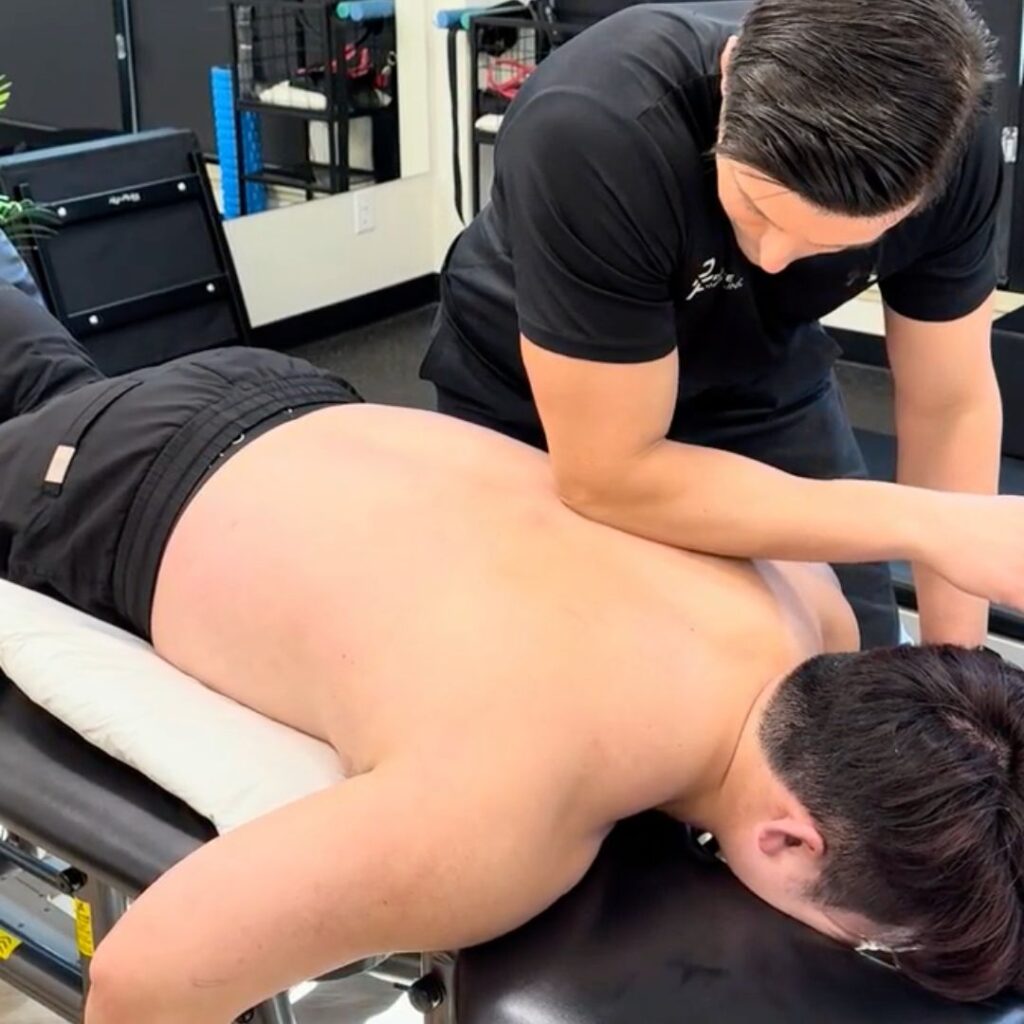
1. Acupressure for Muscle Tension
Acupressure is used as the first step to release tight muscle tension by applying targeted pressure to specific points in the body.
Acupressure may help:
• relax tight muscles
• reduce discomfort
• prepare the muscles for deeper treatment
• improve circulation in the affected area
This step helps reduce initial tension and allows the body to respond better to the next treatments.
2. Dynamic Cupping for Circulation
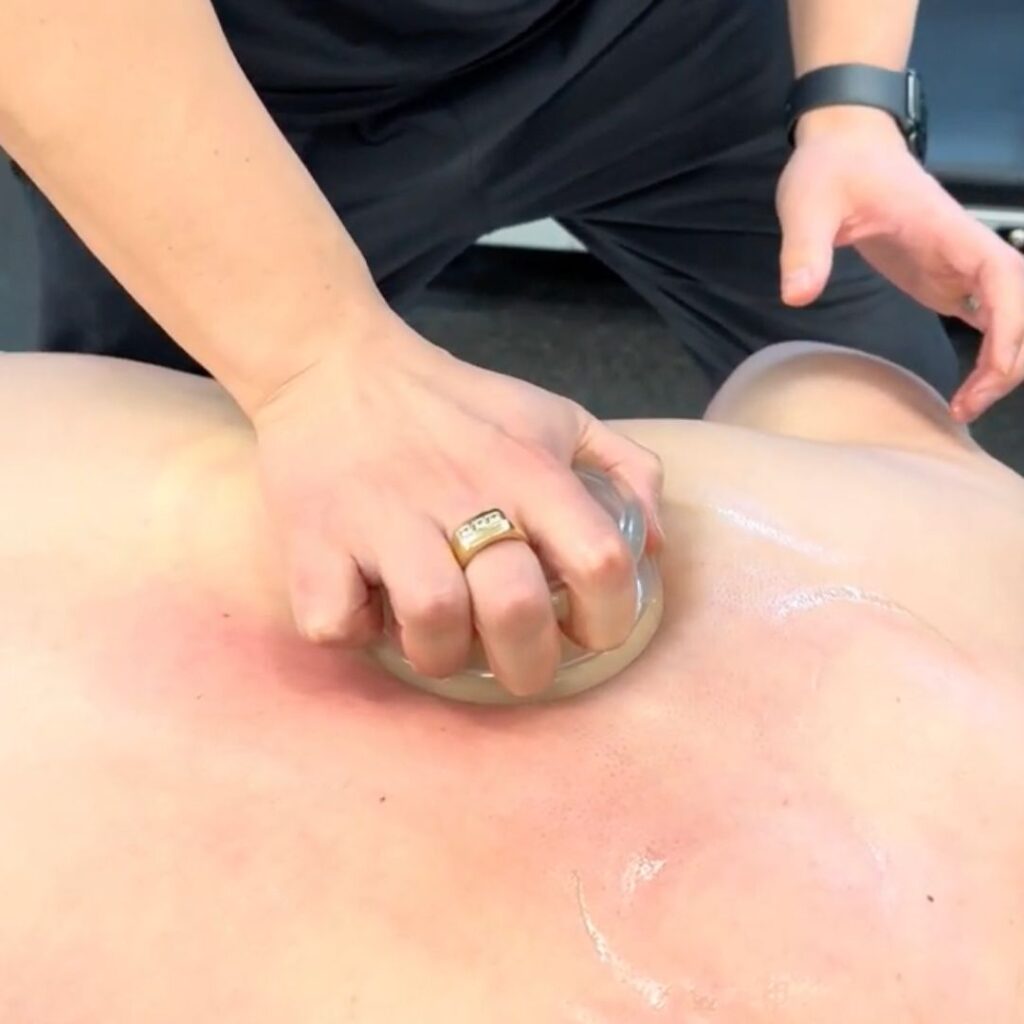
Dynamic cupping involves moving suction cups along the muscles to lift and mobilize soft tissue.
Dynamic cupping may help:
• improve blood flow
• loosen tight muscles
• reduce stiffness
• enhance tissue mobility
This technique helps increase circulation and prepare deeper muscle layers for further treatment.
3. Dry Needling for Trigger Points
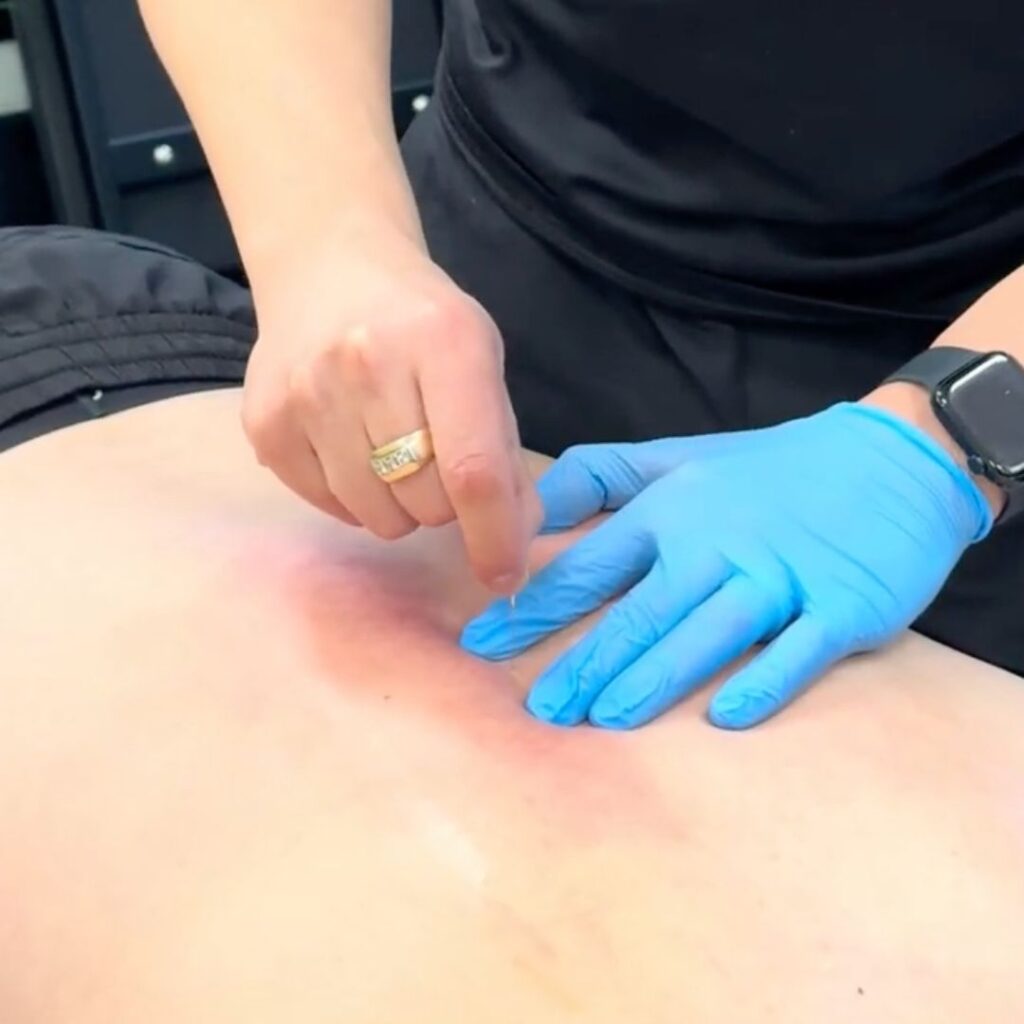
Dry needling is used to target deep muscle trigger points using thin, sterile needles.
Dry needling may help:
• release trigger points
• reduce deep muscle tension
• improve muscle activation
• relieve pain at the source
By addressing deeper muscle dysfunction, this step helps reduce persistent pain and improve movement.
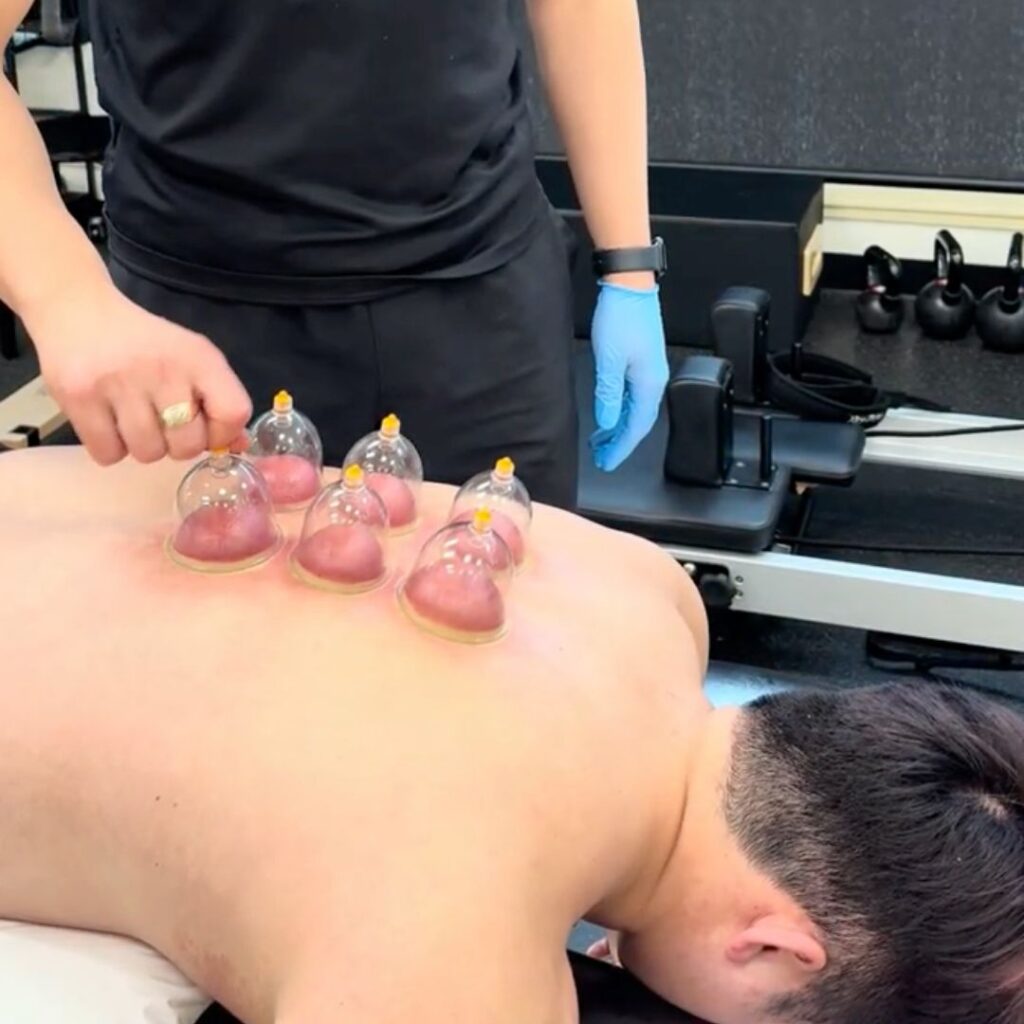
4. Cupping Therapy for Recovery
Cupping therapy is used as the final step to support recovery by applying sustained suction to specific areas.
Cupping therapy may help:
• reduce muscle tightness
• improve circulation
• support tissue recovery
• relieve residual tension
This step helps the body recover more effectively after deeper treatments.
Why This Approach Works for Back Pain
Each step in this treatment approach targets a different layer of the problem.
Together, these techniques help:
• release both surface and deep muscle tension
• improve blood circulation
• reduce pain and stiffness
• restore mobility and movement
• support long-term recovery
By combining treatments, the body can respond more effectively and achieve better results.
Who Can Benefit From This Treatment Approach?
This step-by-step back pain treatment may benefit individuals experiencing:
• chronic back pain
• muscle tightness or stiffness
• trigger points in the back muscles
• limited mobility
• posture-related discomfort
• recurring back pain
A proper assessment helps determine the most appropriate combination of treatments.
Final Thoughts
Back pain is often caused by a combination of muscle tension, trigger points, and movement limitations. Addressing only one aspect of the problem may not provide lasting relief.
A step-by-step approach using acupressure, dynamic cupping, dry needling, and cupping therapy helps target both the symptoms and the underlying causes.
This integrated treatment supports better movement, reduced pain, and improved overall function.
Take the Next Step Toward Back Pain Relief
If back pain or muscle tightness is affecting your daily activities, a proper assessment can help identify the root cause and guide the most effective treatment plan.
A combination of therapies may help reduce tension, improve circulation, and support long-term recovery.
Pain Free Health Clinic provides treatment services in:
Richmond
Ladner
Surrey
Langley
Book your assessment today and start moving pain-free again.
Want to see how these treatments work together?
Follow Pain Free Health Clinic on YouTube, Instagram, Facebook, and TikTok for more physiotherapy tips and treatment demonstrations.


