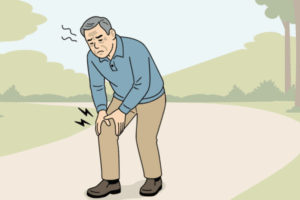
Knee pain is one of the most common reasons adults reduce their activity level as they age. For some, ongoing knee pain eventually leads to discussions about knee replacement surgery. While surgery is sometimes necessary, many people can delay or even prevent knee replacement with early intervention and proper care.
Understanding why knee replacements are recommended, and what you can do to protect your knees can make a major difference in long-term mobility and independence.
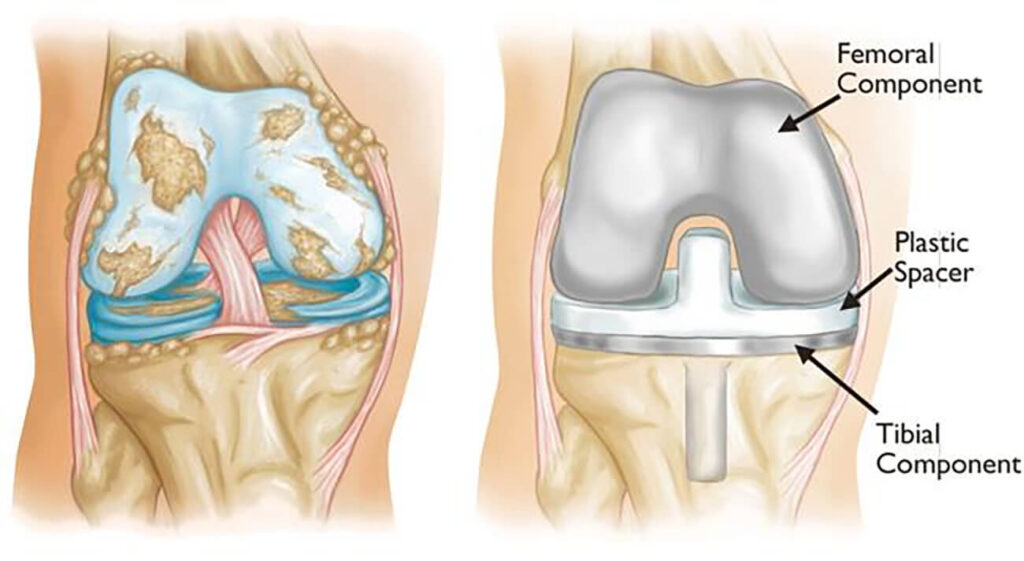
Knee replacement surgery is typically suggested when pain and stiffness severely limit daily activities and conservative care no longer provides relief. The most common reasons include:
1. Osteoarthritis
The most common cause of knee replacement. Over time, cartilage wears down, leading to pain, stiffness, swelling, and reduced joint space.
2. Rheumatoid Arthritis
An inflammatory condition that damages joint tissue, causing pain and deformity if left unmanaged.
3. Past Injuries
Old ligament tears, meniscus injuries, or fractures can change joint mechanics, accelerating wear and tear years later.
4. Long-Term Joint Stress
Repetitive strain, poor movement mechanics, or excess joint loading over many years can lead to progressive joint degeneration.
Chronic knee pain can affect:
As movement decreases, muscles weaken, joints stiffen, and pain often worsens; creating a cycle that can push people toward surgery.
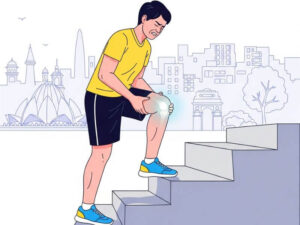
In many cases, yes. Early and consistent physiotherapy can slow joint degeneration, improve function, and reduce pain, often delaying or avoiding surgery altogether.
Physiotherapy focuses on improving how the knee functions within the entire lower body.
1. Strengthening Key Muscles
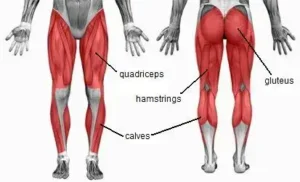
Strong muscles reduce stress on the knee joint. Physiotherapy targets:
Better muscle support helps absorb shock and stabilize the joint.
2. Improving Flexibility & Range of Motion
Gentle stretching and mobility exercises help reduce stiffness, improve circulation, and maintain healthy joint movement.
3. Weight Management Guidance
Even small reductions in body weight significantly reduce knee joint load. Physiotherapists provide movement strategies that support safe activity and joint protection.
4. Joint Protection & Movement Education
Learning how to move safely during walking, lifting, stairs, and daily tasks, helps reduce unnecessary stress on the knee.
5. Reducing Pain & Inflammation Naturally
Physiotherapy uses movement, strengthening, and education to reduce pain without relying solely on medication.
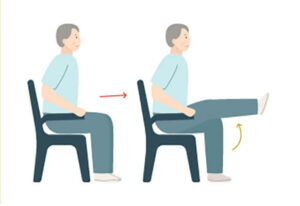
The right exercises can help maintain strength and mobility without overloading the joint. Common physiotherapy-guided exercises include:
All exercises are customized to the individual’s ability and comfort level.
For seniors or individuals with mobility challenges, in-home physiotherapy offers:
Consider physiotherapy if:
Early intervention often leads to better outcomes.
Our in-home physiotherapy programs focus on:
✔ Comprehensive knee assessment
✔ Customized strength and mobility plans
✔ Pain management strategies
✔ Education for long-term joint protection
✔ Supporting confidence and independence
If knee pain is affecting your quality of life, physiotherapy can help you move more comfortably and confidently.
Knee replacement is not always inevitable. With the right care, many people can stay active, reduce pain, and protect their knee health for years to come.
Book your in-home physiotherapy assessment today:
604-360-2790


