Learn how cable exercises can help strengthen your core, improve rotational control, and support better stability during everyday movements. These three exercises train your core through controlled twisting, lifting, and rotational movements.
Why Is Core Strength Important?
Your core does more than help you perform abdominal exercises. It plays an important role in stabilizing your spine, controlling your movements, and supporting your body during everyday activities.
Whether you're reaching for something, lifting groceries, carrying objects, or changing positions, your core muscles help coordinate and control these movements.
Building core strength can help support:
One way to train these movement patterns is through cable exercises.
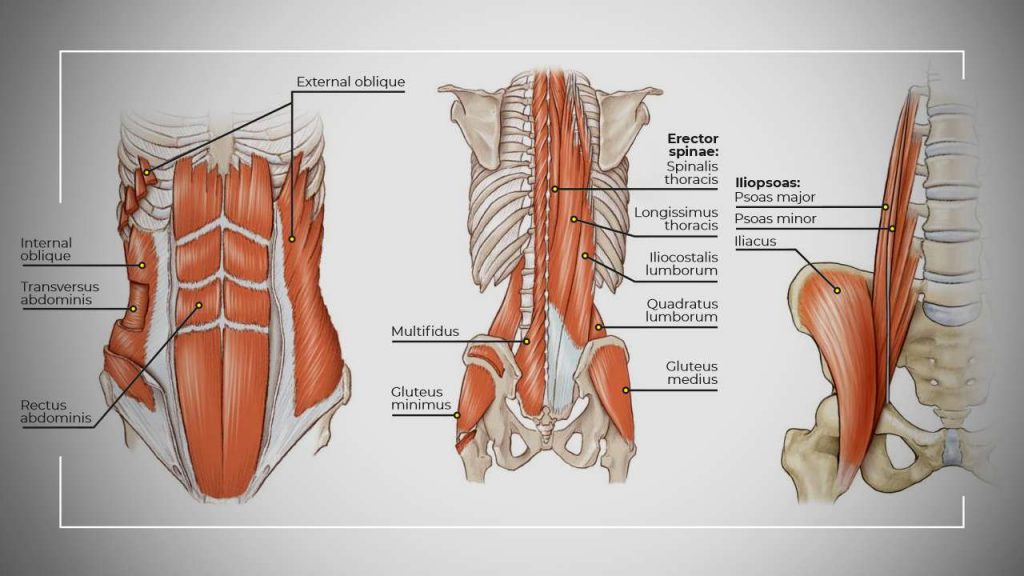
3 Cable Exercises to Build a Stronger Core
Cable exercises allow you to work against resistance while moving in different directions. The following exercises focus on rotational strength, core control, and coordinated movement.
1. Half-Kneeling Cable Rotation
This exercise challenges your ability to rotate your upper body while maintaining a stable lower-body position.
Benefits:
How to perform it:
Keep your movements controlled and avoid allowing your lower back to take over the rotation.
2. High-to-Low Cable Wood Chop
The high-to-low cable wood chop trains your core through a diagonal pulling movement. It involves coordinating your upper body and trunk while controlling resistance.
Benefits:
How to perform it:
Avoid rushing through the movement. Focus on maintaining control throughout the exercise.
3. Low-to-High Cable Chop
The low-to-high cable chop works the core through an upward diagonal movement. It challenges your ability to control rotation while moving against resistance.
Benefits:
How to perform it:
Use a resistance level that allows you to complete each repetition with proper technique.
Tips for Performing Cable Exercises Safely
Proper technique is important when performing rotational exercises. Keep these tips in mind:
Your exercise selection and resistance should match your current strength, mobility, and fitness level. If you're unsure how to perform these exercises, a qualified healthcare professional can help guide you.
Need Help Improving Your Core Strength and Movement Control?
Building a stronger core is about more than performing abdominal exercises. It also involves improving how your body stabilizes, rotates, and coordinates movement.
At Pain Free Health Clinic, our team offers physiotherapy, kinesiology, and exercise-based rehabilitation services to help individuals work toward their movement and fitness goals.
If you're looking for guidance with your exercise routine or want to explore options that suit your needs, visit one of our clinics.
Visit our website or book an appointment to learn more about our services.
Watch the Video
Watch the three cable exercises in action:
Learn More About Pain Free Health Clinic
Follow Pain Free Health Clinic on YouTube, Instagram, Facebook, and TikTok for more educational content on core strength exercises, rotational training, core stability, and movement control.


