Learn why pelvic floor relaxation is an important part of birth preparation, how your pelvic floor muscles work during labor, and why preparing for childbirth involves more than just strengthening exercises like Kegels.
Preparing for Birth? Your Pelvic Floor Needs to Know How to Relax, Too!
When preparing for childbirth, many expecting mothers hear about pelvic floor exercises, particularly Kegels. These exercises are commonly discussed because they help strengthen the pelvic floor muscles.
However, there's another important part of pelvic floor health that deserves attention: learning how to relax these muscles.
Your pelvic floor muscles support your pelvic organs and play an important role in bladder and bowel function, core stability, and childbirth.
During labor, your uterus contracts to help move your baby through the birth canal. Your pelvic floor muscles also need to coordinate and relax to allow the baby to pass through.
This is why birth preparation isn't only about strengthening your pelvic floor. Understanding how to contract and relax these muscles is equally important.
What Is the Pelvic Floor?
The pelvic floor is a group of muscles and connective tissues located at the base of your pelvis.
These muscles support several important functions, including:
Because the pelvic floor has several important responsibilities, maintaining both strength and the ability to relax these muscles is important.
Why Is Pelvic Floor Relaxation Important During Labor?
One common misconception about childbirth preparation is that the pelvic floor should always be strengthened or activated.
While pelvic floor strengthening can be beneficial during pregnancy for some individuals, the ability to relax these muscles is also important.
During labor, the uterus is responsible for generating contractions that help move the baby through the birth canal. The pelvic floor needs to accommodate this process by lengthening and relaxing.
If the pelvic floor muscles have difficulty relaxing or coordinating, it may affect how comfortably they respond to the demands of childbirth.
Learning to recognize tension and practice pelvic floor relaxation can help expecting mothers become more aware of their pelvic floor function.
Kegels and Childbirth: Is Strengthening Always the Answer?
Kegel exercises involve contracting the pelvic floor muscles to help improve strength and control.
They can be useful for certain pelvic floor concerns, including some types of urinary incontinence. However, strengthening is not the only goal of pelvic floor preparation.
During labor, the ability to relax the pelvic floor muscles is also important.
This is why pelvic floor preparation may involve learning how to:
The right approach depends on your individual pelvic floor function, symptoms, and stage of pregnancy.
Remember: This doesn't mean all expecting mothers should stop doing Kegels. Rather, pelvic floor training should address both strength and relaxation when appropriate.
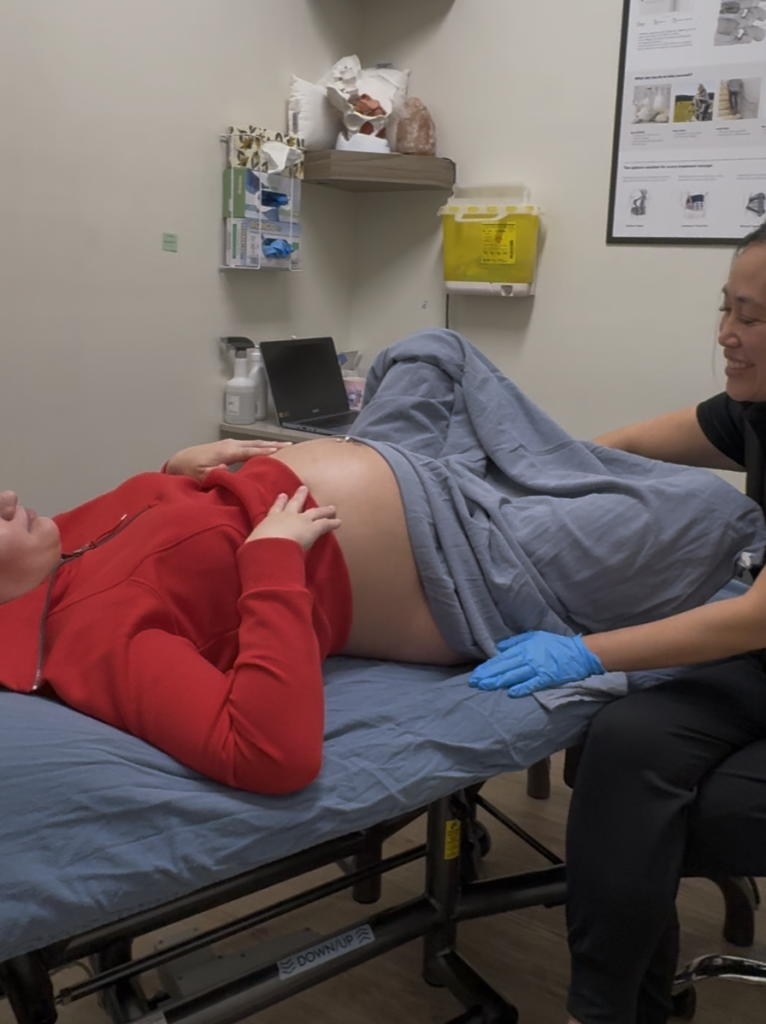
How Can a Pelvic Floor Assessment Help During Pregnancy?
A pelvic floor assessment can help you better understand how your pelvic floor muscles function and identify areas that may need attention.
Depending on your needs and the assessment findings, a pelvic health professional may evaluate:
1. Pelvic Floor Muscle Strength
An assessment can help determine whether your pelvic floor muscles can contract effectively and provide appropriate support.
2. Muscle Relaxation
Being able to release pelvic floor tension is an important part of normal muscle function. Your assessment may help identify difficulties with relaxation.
3. Muscle Coordination
Your pelvic floor works together with your breathing, abdominal muscles, and other structures. Understanding how these systems coordinate can help guide your preparation.
4. Breathing and Movement Patterns
Breathing and body movement can influence how your pelvic floor responds to changes in pressure. Learning appropriate breathing and relaxation strategies may be included in your care plan.
5. Individual Pregnancy and Birth Preparation Needs
Every pregnancy and pelvic floor is different. An individualized assessment can help determine which exercises, techniques, and strategies are appropriate for you.
When Should You Consider a Pelvic Floor Assessment?
You may consider speaking with a pelvic health professional if you're experiencing:
You don't necessarily need to wait until you experience symptoms to learn more about your pelvic floor health. An assessment can also help you understand your muscles and prepare for the physical changes associated with pregnancy and childbirth.
Need Pelvic Floor Support During Pregnancy? Visit Pain Free Health Clinic!
Preparing for childbirth involves understanding how your body works and learning how to support its changing needs.
At Pain Free Health Clinic, we offer pelvic floor assessments to help you better understand your pelvic floor function and explore appropriate care based on your individual needs.
Whether you're preparing for childbirth, experiencing pelvic floor concerns, or looking for guidance on pelvic floor strengthening and relaxation, our team is here to help.
Book your pelvic floor assessment at Pain Free Health Clinic in Hamilton Village today!
You can also visit our other locations:
Our Maple Ridge clinic is coming soon!
Book online through our Jane App or visit our Contact Page to learn more.
Watch the Video: Pelvic Floor Relaxation During Labor
Preparing for birth? Watch our video to learn why relaxing your pelvic floor muscles is just as important as strengthening them.
Understanding how your uterus and pelvic floor work during labor can help you become more informed about your birth preparation.
Learn More About Pain Free Health Clinic
Follow Pain Free Health Clinic on YouTube, Instagram, Facebook, and TikTok for more educational content on pelvic floor health, pregnancy physiotherapy, prenatal care, birth preparation, pelvic floor exercises, and women's health.


