Learn how flat feet may affect your walking patterns, foot support, and lower body movement. Discover how 3D foot scanning, gait analysis, and custom orthotics can help assess your foot mechanics and provide personalized support.
Experiencing Lower Back Pain? Your Feet May Be Part of the Picture.
When people experience persistent lower back pain, they often focus on their back, hips, or spine. However, foot mechanics can also play a role in how the body moves and distributes pressure during everyday activities.
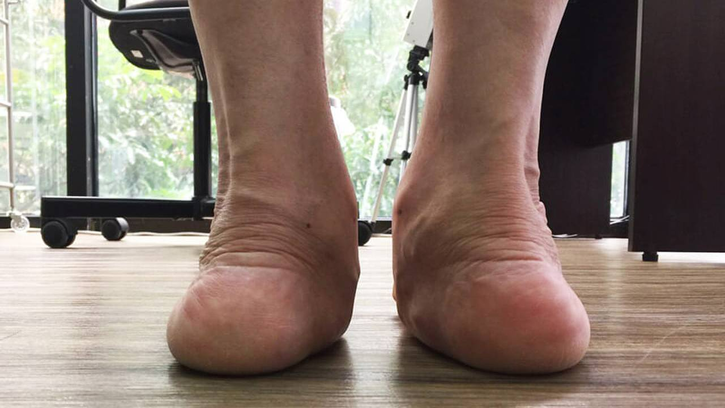
Flat feet, also known as fallen arches, can change how your feet make contact with the ground when you stand or walk. In some individuals, these changes may influence movement patterns throughout the lower body, including the ankles, knees, and hips.
This is one reason why a foot assessment may be worth considering when looking at the bigger picture of movement and physical comfort.
At Pain Free Health Clinic in Langley, our team offers 3D foot scanning and gait analysis to help assess foot structure and walking patterns. These findings can help guide the creation of custom orthotics based on individual support needs.
What Are Flat Feet?
Flat feet occur when the arches along the inside of the feet appear lower than usual or make greater contact with the ground when standing.
Some people naturally have flat feet without experiencing pain or movement difficulties. Others may notice discomfort or changes in how their feet, ankles, or lower body feel during daily activities.
Common signs and concerns associated with flat feet may include:
Having flat feet does not automatically mean you need custom orthotics. An assessment can help determine whether additional foot support may be appropriate.
Can Flat Feet Contribute to Lower Back Pain?
Your feet provide the foundation for standing, walking, and many everyday movements. Changes in foot positioning and movement can influence how pressure is distributed throughout the lower body.
For some individuals, altered foot mechanics may affect ankle movement, knee positioning, hip movement, and overall walking patterns.
These changes may contribute to increased demands on certain muscles and joints. However, lower back pain has many possible causes, and flat feet are not necessarily the reason someone experiences back discomfort.
Looking at foot mechanics alongside hip, knee, and spinal movement can help provide a more complete understanding of an individual's movement patterns.
What Are Custom Orthotics?
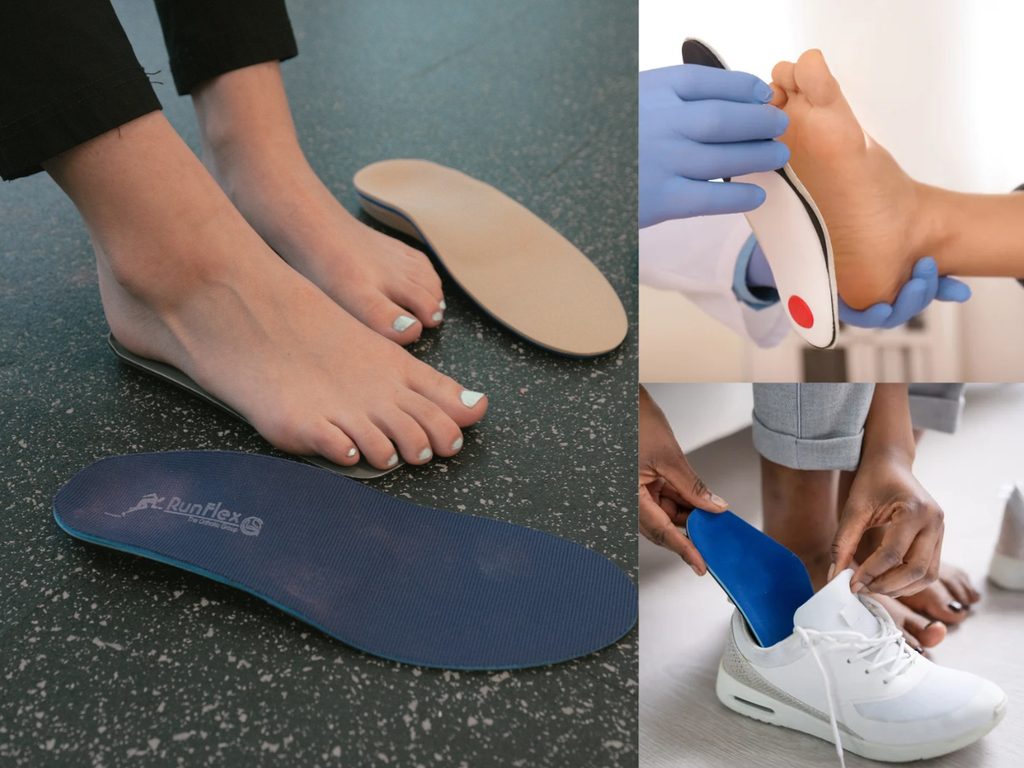
Custom orthotics are specially designed shoe inserts created to provide support based on an individual's foot structure and needs.
Unlike standard shoe inserts, custom orthotics are developed using information gathered during a foot assessment. Depending on the design, they may help support the arches, influence foot positioning, and distribute pressure across the feet.
Custom orthotics may be considered for individuals experiencing certain foot-related concerns, including:
The right orthotic design depends on the person's assessment findings, symptoms, footwear, and daily activities.
How Does a 3D Foot Scan Work?
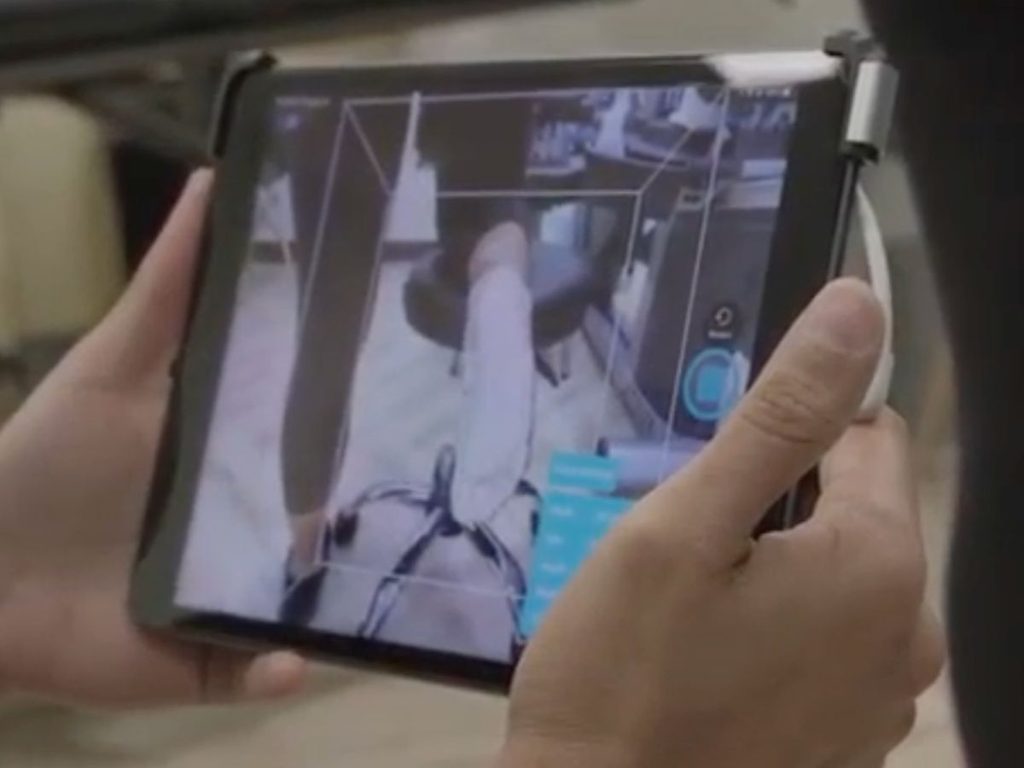
At Pain Free Health Clinic, 3D foot scanning is used to gather information about the structure of your feet.
This technology helps capture details that can assist with understanding your foot shape and support requirements.
The process generally involves:
1. Foot Assessment
Your chiropractor discusses your concerns, symptoms, daily activities, and foot-related needs.
2. 3D Foot Scanning
A 3D scan is used to capture information about your foot structure, including the shape and arch.
3. Gait Analysis
Your walking pattern is assessed to gather additional information about how your feet move and distribute pressure during walking.
4. Custom Orthotic Design
The collected information is used to guide the design of your custom orthotics.
5. Laboratory Production
As explained by Dr. Parm in the video, the scan information is sent to a laboratory in Toronto, where the custom orthotics are made and then returned to the clinic.
Why Is Gait Analysis Important?
Looking at your feet while standing provides only part of the picture. Your feet also move and respond to pressure while walking.
Gait analysis helps assess how your feet function during movement. It can provide information about walking patterns, foot positioning, and how pressure is distributed as you take each step.
When combined with a foot assessment and 3D scan, gait analysis can help guide decisions about the type of support that may be appropriate.
What Are the Potential Benefits of Custom Orthotics?
Depending on your foot structure and individual needs, custom orthotics may help:
It's important to remember that custom orthotics are not a guaranteed solution for lower back pain. Their suitability and potential benefits depend on the underlying concern and individual assessment.
Who May Benefit From a Custom Orthotics Assessment?
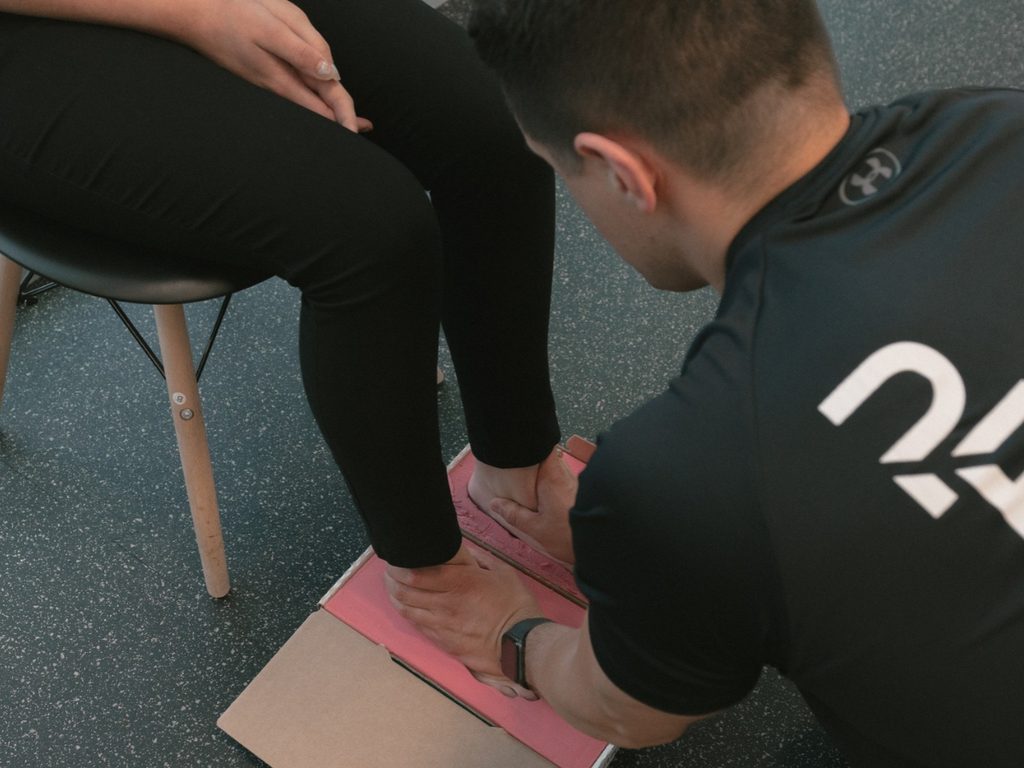
You may consider a foot assessment if you:
If you're experiencing persistent lower back pain, a healthcare professional can also help assess other possible contributing factors.
Need Custom Orthotics in Langley?
Understanding your foot structure and walking patterns can be an important part of finding the right support.
At Pain Free Health Clinic in Langley, Dr. Parm, chiropractor, uses 3D foot scanning and gait analysis to gather information that helps guide the creation of custom orthotics.
If you're experiencing flat feet, foot discomfort, or concerns about your walking mechanics, book an assessment to find out whether custom orthotics may be suitable for your needs.
Visit Pain Free Health Clinic - Langley
📍 20487 65 Ave, B145, Langley, BC V2Y 3K8
Watch the Video
See how Dr. Parm Mishra explains the connection between flat feet, foot mechanics, and lower back discomfort. Learn how 3D foot scanning and gait analysis are used to gather information for custom orthotics.
Learn More About Pain Free Health Clinic
Follow Pain Free Health Clinic on YouTube, Instagram, Facebook, and TikTok for more educational content on custom orthotics, flat feet, foot mechanics, gait analysis, foot support, and lower back pain.


