Curious about the red circles from cupping therapy? Learn how cupping improves blood circulation, relieves muscle tension, and supports recovery for back pain and muscle tightness.
What Are Those Red Circles From Cupping Therapy?
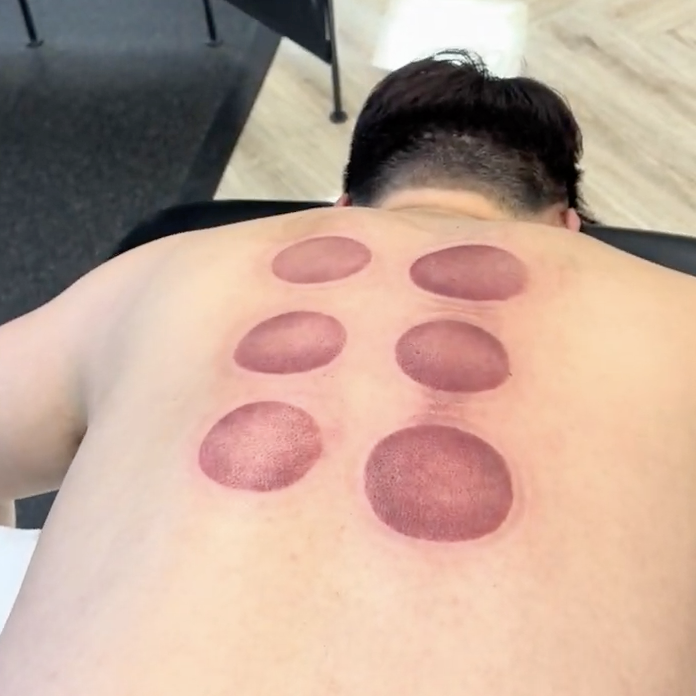
Many people notice circular marks on the back after a treatment and wonder what they are. These marks are commonly seen after cupping therapy, a technique used to relieve muscle tension and improve circulation.
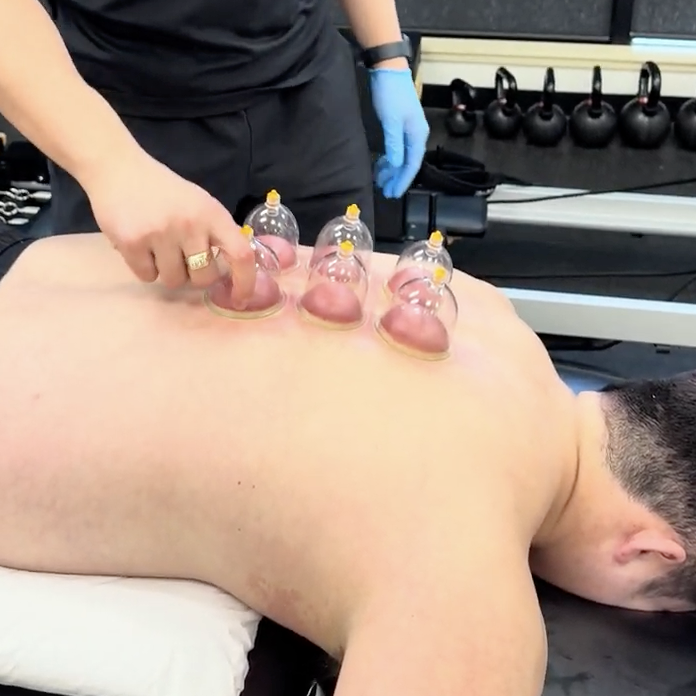
Cupping therapy uses suction to gently lift the skin and underlying tissue. This helps increase blood flow, release tight muscles, and support the body’s natural healing process.
The red or purple circles that appear after treatment are not bruises. They are a normal response to increased circulation in the treated area.
How Cupping Therapy Works
Cupping therapy involves placing specialized cups on the skin to create a suction effect. This suction lifts the soft tissue and fascia, allowing blood flow to increase in the targeted area.
This process helps:
• pull tight tissue away from deeper structures
• improve blood circulation
• release muscle tension
• promote relaxation in the affected area
By improving circulation and reducing restriction, cupping therapy helps the body recover more effectively.
Why the Marks Appear After Cupping
The circular marks left after cupping are often misunderstood. They are not caused by injury or trauma.
These marks occur because:
• blood flow increases in the treated area
• stagnant blood and fluids are brought to the surface
• tight tissue begins to release
• circulation is stimulated in deeper muscle layers
The color and intensity of the marks can vary depending on the level of muscle tension and restriction. These marks typically fade within a few days.
Benefits of Cupping Therapy
Cupping therapy is commonly used to help manage muscle tension, improve mobility, and support recovery.
It may help:
• improve blood circulation
• relieve muscle tightness and stiffness
• reduce pain and discomfort
• improve mobility and flexibility
• support recovery after physical activity
• promote relaxation of the muscles
By improving circulation and reducing muscle tension, cupping therapy helps the body move more freely and comfortably.
Conditions That May Benefit From Cupping Therapy
Cupping therapy may be beneficial for individuals experiencing:
• back pain or muscle tightness
• neck and shoulder tension
• muscle soreness from exercise
• postural-related discomfort
• stiffness from prolonged sitting
• general muscle fatigue
A proper assessment can help determine if cupping therapy is suitable for your condition.
Why Cupping Therapy Is Used in Physiotherapy
Cupping therapy is often included as part of a physiotherapy treatment plan. It is used alongside other techniques to address both surface-level tension and deeper muscle restrictions.
When combined with other treatments, cupping therapy can:
• enhance blood circulation
• prepare muscles for deeper therapy
• improve tissue mobility
• support faster recovery
This integrated approach helps improve overall results and long-term outcomes.
Final Thoughts
Cupping therapy is a safe and effective treatment used to relieve muscle tension and improve circulation. The red circles that appear after treatment are a normal response and indicate increased blood flow in the area.
Rather than being a sign of injury, these marks show that the body is responding to the treatment and beginning the recovery process.
Take the Next Step Toward Pain Relief
If you’re experiencing muscle tightness, back discomfort, or limited mobility, cupping therapy may help improve how your body feels and moves.
A proper assessment can help determine if this treatment is right for you and how it fits into your overall recovery plan.
Pain Free Health Clinic provides treatment services in:
Richmond
Ladner
Surrey
Langley
Book your session today and start moving pain-free again.
Want to see how cupping therapy works?
Watch our videos demonstrating how cupping helps improve circulation and release muscle tension.
Follow Pain Free Health Clinic on YouTube, Instagram, Facebook, and TikTok for more physiotherapy tips and treatment demonstrations.


