Dry needling targets deep muscle trigger points to reduce pain, improve blood flow, and restore movement. Learn how this physiotherapy technique supports recovery and long-term relief.
Did You Know Dry Needling Does More Than Relieve Pain?
Muscle pain and tightness are often caused by deeper issues within the muscles that are not always addressed by stretching or massage alone.
Dry needling is a physiotherapy technique that goes beyond temporary relief by targeting the root cause of muscle pain—trigger points within the muscle.
These trigger points are tight, sensitive areas that can cause pain, tension, and restricted movement. By addressing these areas directly, dry needling helps improve how the muscle functions.
What Are Muscle Trigger Points?
Trigger points are tight knots that develop within muscle fibers. They can form due to overuse, injury, poor posture, or repetitive movements.
These trigger points may:
• cause localized pain or discomfort
• refer pain to other areas of the body
• limit range of motion
• create muscle stiffness and tension
• affect normal movement patterns
If left untreated, trigger points can continue to cause ongoing discomfort and movement restrictions.
How Dry Needling Works
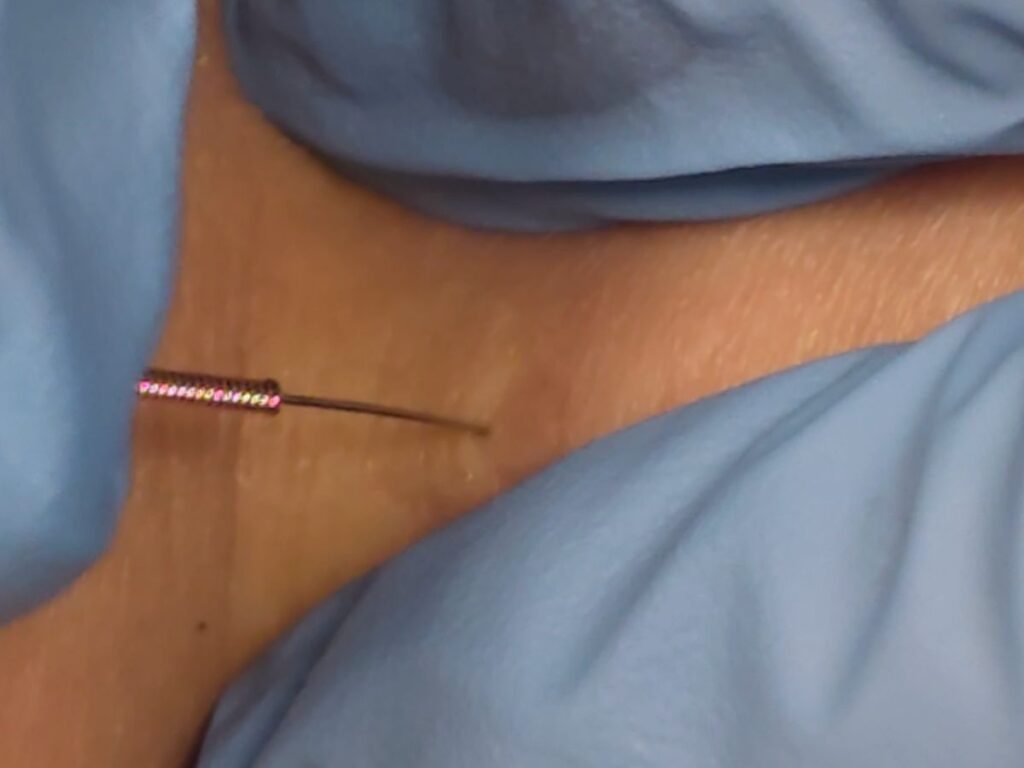
Dry needling involves inserting a thin, sterile needle into specific trigger points within the muscle.
This process helps:
• stimulate a local twitch response
• release tight muscle bands
• reduce muscle tension
• reset normal muscle function
The goal is to improve how the muscle contracts and relaxes, allowing it to return to a healthier state.
Key Benefits of Dry Needling
Dry needling is commonly used in physiotherapy to help reduce pain and improve movement.
It may help:
• release tight muscle knots and trigger points
• reduce muscle tension and discomfort
• improve blood circulation
• support the body’s natural healing process
• restore normal muscle activation
• improve mobility and flexibility
By improving both muscle function and circulation, dry needling supports long-term recovery.
How Dry Needling Improves Blood Flow and Healing
When a needle is inserted into a trigger point, it stimulates the surrounding tissue and increases blood flow to the area.
This helps:
• deliver oxygen and nutrients to the muscle
• remove waste products and toxins
• support tissue repair and healing
• reduce inflammation in the affected area
Improved circulation plays a key role in reducing pain and restoring normal muscle function.
Why Dry Needling Helps Reduce Pain
Pain caused by muscle tension is often related to tight, overactive muscle fibers.
Dry needling helps:
• reduce muscle guarding
• release tension within the muscle
• decrease sensitivity in trigger points
• improve communication between nerves and muscles
As the muscle relaxes and function improves, pain levels often decrease.
How Dry Needling Restores Movement and Function
When muscles are tight or restricted, movement becomes limited and inefficient.
Dry needling helps restore movement by:
• reducing stiffness in the muscle
• improving flexibility
• enhancing muscle coordination
• allowing joints to move more freely
This leads to better overall movement and reduced strain on the body.
Who Can Benefit From Dry Needling?
Dry needling may benefit individuals experiencing:
• chronic muscle pain
• muscle tightness or stiffness
• trigger points in various muscle groups
• limited mobility or flexibility
• postural-related discomfort
• sports or activity-related muscle tension
A physiotherapy assessment can help determine if dry needling is appropriate for your condition.
Why Physiotherapy Is Important
Although dry needling is effective for releasing muscle tension, it is often combined with physiotherapy to address the full picture.
Underlying factors may include:
• muscle imbalances
• poor posture
• movement dysfunction
• weakness in supporting muscles
• repetitive strain or overuse
A physiotherapist develops a treatment plan that includes both hands-on therapy and corrective exercises.
Final Thoughts
Dry needling does more than just relieve pain. It targets deep muscle trigger points, improves blood flow, and restores normal muscle function.
By addressing the root cause of muscle tension and dysfunction, it helps reduce pain, improve movement, and support long-term recovery.
Take the Next Step Toward Pain Relief
If muscle pain or tightness is affecting your daily activities, a proper assessment can help identify the cause and guide the most effective treatment plan.
Dry needling combined with physiotherapy may help restore movement, reduce discomfort, and improve overall function.
Pain Free Health Clinic provides physiotherapy services in:
Richmond
Ladner
Surrey
Langley
Book your assessment today and start moving pain-free again.
Want to see how dry needling works?
Watch our videos demonstrating how dry needling targets trigger points and improves muscle function.
Follow Pain Free Health Clinic on YouTube, Instagram, Facebook, and TikTok for more physiotherapy tips and treatment demonstrations.


