Learn why plantar fasciitis can become persistent, why chronic heel pain isn't always just inflammation, and how a comprehensive assessment can help identify the right treatment approach.
Why Does Plantar Fasciitis Become Chronic? Understanding Persistent Heel Pain
For many people, plantar fasciitis begins as mild heel discomfort that's most noticeable during the first few steps in the morning. While some cases improve with rest and simple home care, others continue for months and become much more difficult to manage.
If your heel pain isn't improving, it may be because there's more going on than inflammation alone.
Understanding why plantar fasciitis can become chronic is the first step toward finding the treatment that's right for you.
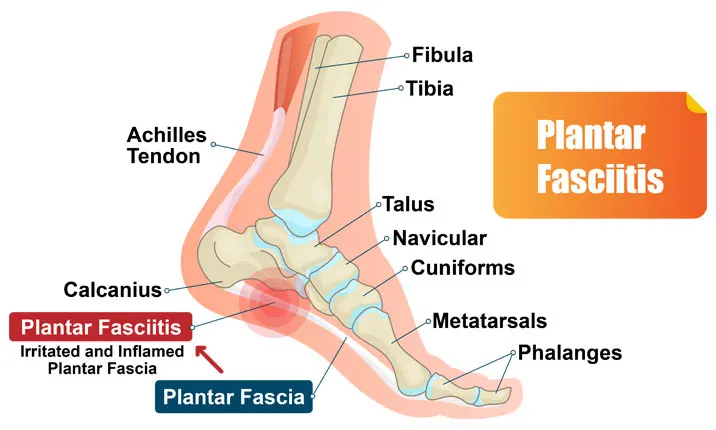
Plantar Fasciitis Doesn't Always Stay in the Inflammatory Stage
During the early stages, plantar fasciitis may involve irritation and inflammation of the plantar fascia, the thick band of tissue that supports the arch of your foot.
However, when symptoms persist over time, the tissue may undergo changes that are different from acute inflammation. In long-standing cases, the plantar fascia may require a different treatment approach that focuses on supporting tissue recovery and restoring normal function.
This is one reason why chronic heel pain often doesn't respond to the same strategies that work during the early stages.
Why a Proper Assessment Matters
Heel pain isn't always caused by plantar fasciitis.
Other conditions, such as tendon injuries, nerve irritation, stress injuries, or joint-related problems, can produce similar symptoms. That's why it's important to identify the true source of your pain before beginning treatment.
At Pain Free Health, our assessment looks beyond the painful area. We evaluate your:
This comprehensive approach helps us determine what's contributing to your symptoms and develop a treatment plan that's specific to your needs.
Where Does Shockwave Therapy Fit In?
For appropriate patients with persistent plantar fasciitis, Shockwave Therapy may be recommended as part of a broader rehabilitation plan.
Rather than simply masking symptoms, shockwave therapy delivers acoustic waves that may help stimulate the body's natural healing response and support tissue recovery.
However, shockwave therapy is most effective when combined with a personalized treatment program that addresses the underlying factors contributing to your heel pain.
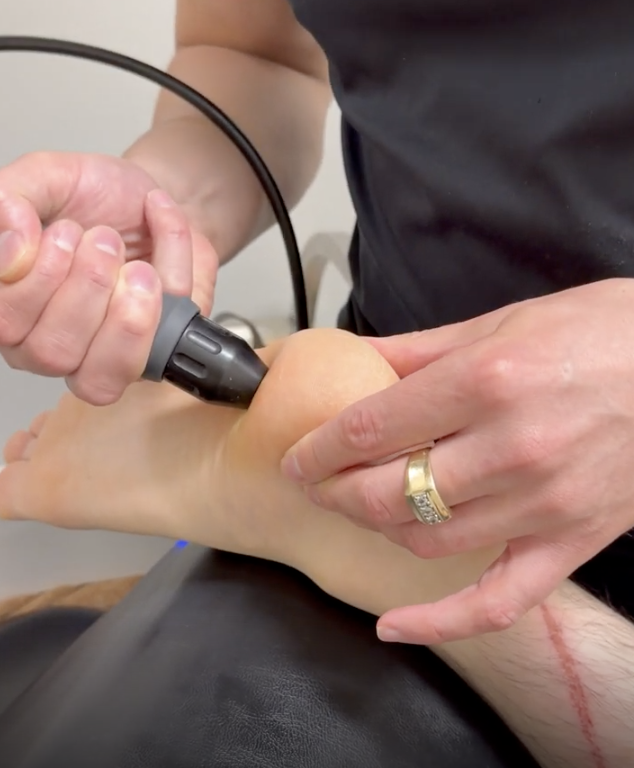
Don't Ignore Persistent Heel Pain
Heel pain that lingers for weeks or months isn't something you simply have to live with.
Early assessment and appropriate treatment may help improve function, reduce discomfort, and get you back to the activities you enjoy sooner.
If your first steps in the morning are still painful, it may be time to find out why.
Need Help With Persistent Heel Pain?
If you're experiencing ongoing heel pain or symptoms of plantar fasciitis, our team at Pain Free Health can help determine the underlying cause and whether Shockwave Therapy or another treatment option is appropriate for you.
Every treatment plan begins with a comprehensive assessment tailored to your individual needs.
📍 Richmond
📍 Ladner
📍 Surrey
📍 Langley
See How Shockwave Therapy May Help Persistent Plantar Fasciitis
Watch the video above to learn why chronic plantar fasciitis isn't always just inflammation and how Shockwave Therapy may support the body's natural healing response when combined with a personalized rehabilitation program.
Learn More About Heel Pain & Physiotherapy
Follow Pain Free Health Clinic on YouTube, Instagram, Facebook, and TikTok for more educational content on plantar fasciitis, Shockwave Therapy, physiotherapy, injury rehabilitation, and evidence-based strategies to help you move with confidence.


