Learn how the tensor fasciae latae (TFL) may contribute to Meralgia Paresthetica symptoms and why assessing the hip, pelvis, lower back, and movement patterns is important for effective treatment.
Could a Tight Hip Muscle Be Contributing to Meralgia Paresthetica?
When people experience burning, tingling, or numbness on the outside of the thigh, it's common to focus only on the painful area. However, the source of these symptoms isn't always where they're felt.
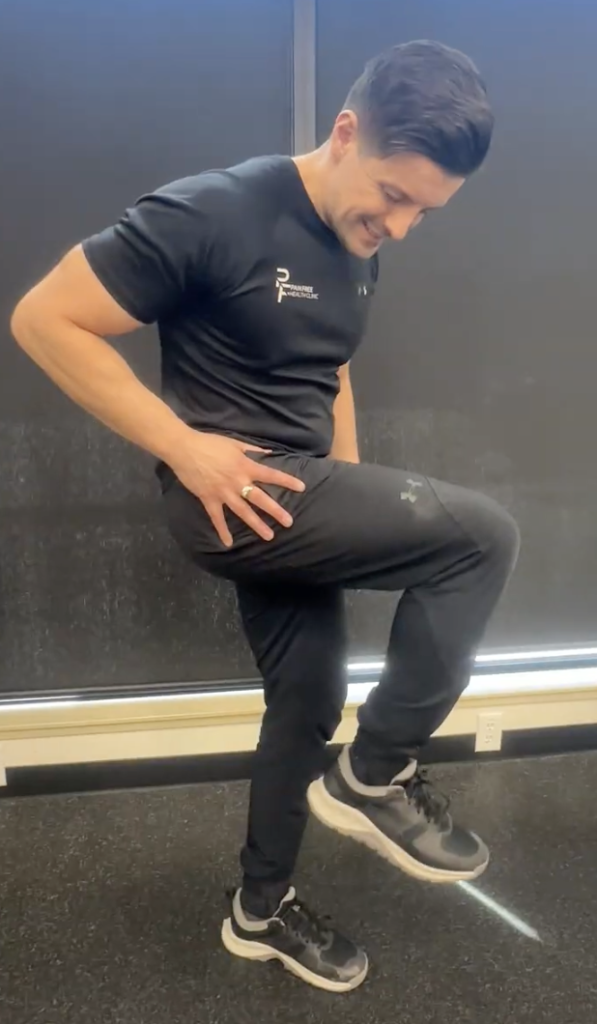
In some cases, surrounding muscles may play a role. One muscle we often assess is the tensor fasciae latae (TFL), located at the front and outside of the hip. Because of its close relationship with the lateral femoral cutaneous nerve, changes in this area may contribute to nerve irritation in some individuals.
Understanding how the muscles, nerves, and surrounding tissues work together is an important part of finding the underlying cause of your symptoms.
What Is the Tensor Fasciae Latae (TFL)?
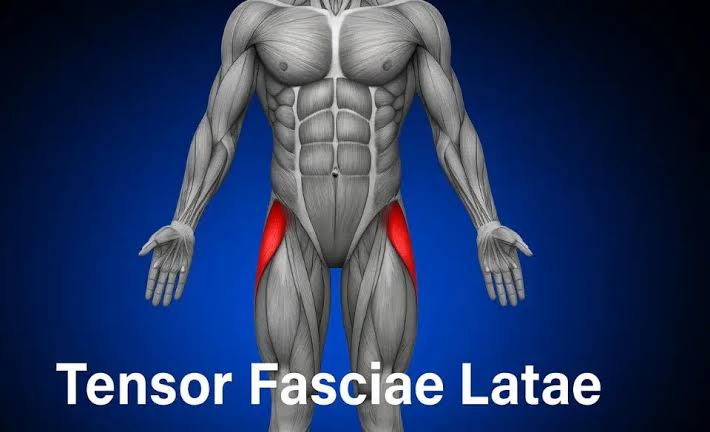
The tensor fasciae latae, commonly called the TFL, is a small muscle located on the front and outside of the hip.
It helps stabilize the pelvis and assists with movements such as walking, climbing stairs, balancing on one leg, and controlling hip motion during everyday activities.
The lateral femoral cutaneous nerve, the nerve involved in Meralgia Paresthetica, travels close to this area as it passes beneath the inguinal ligament before continuing down the outside of the thigh.
Can the TFL Contribute to Nerve Irritation?
The TFL isn't always the cause of Meralgia Paresthetica, but it may contribute in certain situations.
If the muscle becomes stiff, overactive, or if there is increased tension around the front of the hip, it may place additional stress on nearby tissues where the nerve travels. This can sometimes contribute to irritation of the lateral femoral cutaneous nerve.
Because many different conditions can cause similar symptoms, it's important not to assume that one muscle is always responsible. A thorough assessment helps determine whether the TFL, another structure, or an entirely different condition may be contributing to your discomfort.
Why We Assess More Than Just the Painful Area
At Pain Free Health, we don't just examine where your symptoms occur.
Our physiotherapists and chiropractors assess the hip, pelvis, lower back, and movement patterns to understand how your body moves as a whole.
Looking beyond the painful area allows us to identify contributing factors that may otherwise be overlooked and helps us develop a treatment plan tailored to your individual needs.
A Comprehensive Assessment Makes a Difference
Since no two people experience Meralgia Paresthetica in exactly the same way, treatment should always be based on the findings of a thorough assessment.
Understanding how your muscles, joints, nerves, and movement patterns work together allows us to determine the most appropriate treatment approach for your specific condition rather than simply treating the symptoms.
Need Help With Outer Thigh Numbness or Tingling?
If you're experiencing burning, tingling, or numbness on the outside of your thigh, a professional assessment can help identify what's contributing to your symptoms and guide the most appropriate treatment plan.
At Pain Free Health, our team provides comprehensive assessments that evaluate more than just the painful area, helping you move toward lasting relief and improved function.
📍 Richmond
📍 Ladner
📍 Surrey
📍 Langley
Watch How the TFL May Relate to Meralgia Paresthetica
Watch the video above to learn how the tensor fasciae latae (TFL) may contribute to Meralgia Paresthetica and why assessing the hip, pelvis, lower back, and movement patterns is an important part of understanding nerve-related symptoms.
Continue Following Our Meralgia Paresthetica Series
This is Part 3 of our educational series on Meralgia Paresthetica.
Follow Pain Free Health Clinic on YouTube, Instagram, Facebook, and TikTok for more evidence-based educational content on nerve pain, physiotherapy, chiropractic care, rehabilitation, and movement health. In Part 4, we'll discuss three signs your symptoms may be nerve-related and what they could mean for your recovery.


