Learn how the Webster Technique may support pelvic function, mobility, and musculoskeletal comfort during pregnancy—and what this pregnancy-focused chiropractic technique is actually designed to do.
Pregnancy Changes How You Move: Where Does the Webster Technique Fit In?
As pregnancy progresses, your body continually adapts. Changes in body position, weight distribution, and the demands placed on your muscles and joints can make movements that once felt simple—such as walking, getting out of bed, or changing positions—feel different or less comfortable.
For some patients, pregnancy-focused chiropractic care may be one option for supporting comfortable movement during these changes.
One approach you may hear about is the Webster Technique, a specific chiropractic analysis that focuses on pelvic joint function and the surrounding muscles and ligaments.
But what does that actually mean for someone who is pregnant?
Webster Technique Focuses on the Pregnant Patient
One important point is often misunderstood:
The Webster Technique is not intended to turn or reposition a baby.
Instead, its focus is the pregnant patient's musculoskeletal function, including pelvic joint function and the associated muscles and ligaments.
A chiropractor uses a specific assessment to identify areas of joint dysfunction and determine whether pregnancy-focused chiropractic care may be appropriate based on the patient's individual presentation.
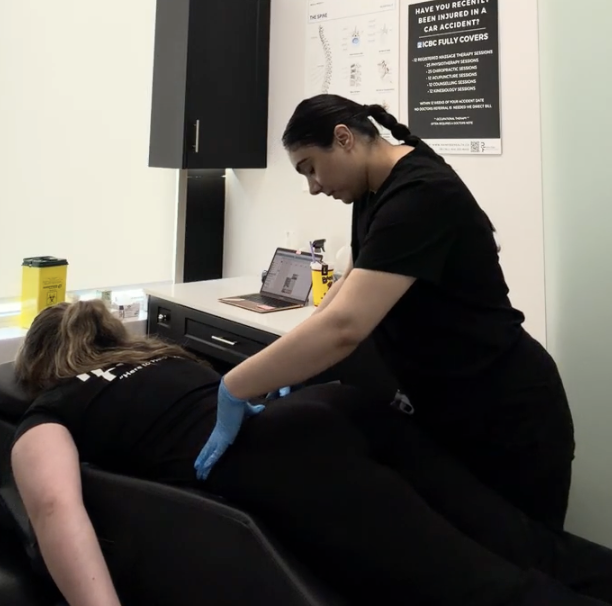
Why Can Movement Feel Different During Pregnancy?
Your body is adapting throughout pregnancy, and those changes can influence how your pelvis, lower back, muscles, and joints handle everyday movement.
Some patients may notice that certain positions or activities become less comfortable as pregnancy progresses.
Rather than applying the same treatment to every pregnant patient, chiropractic care should consider factors such as:
The goal is to provide care that fits the individual rather than following a one-size-fits-all approach.
What Happens During a Webster Technique Assessment?
Webster Technique involves a specific chiropractic analysis of the pelvis along with evaluation of associated muscles and ligaments.
Based on the findings, care may involve gentle chiropractic techniques adapted to the patient's stage of pregnancy, comfort level, and individual needs.
The purpose isn't simply to treat one painful spot. Instead, the assessment considers how the relevant musculoskeletal structures are functioning as the body continues to change throughout pregnancy.
Supporting Pelvic Function and Comfortable Movement
Pregnancy-focused chiropractic care may help address musculoskeletal tension and discomfort when clinically appropriate.
For some patients, the goal may be to support more comfortable movement while performing everyday activities such as:
Care should always be individualized according to the patient's symptoms, pregnancy stage, assessment, and overall needs.
Gentle Care That Adapts With Your Pregnancy
Pregnancy isn't static—and chiropractic care shouldn't be either.
As your pregnancy progresses, your comfort and physical needs may change. Treatment can therefore be modified according to how your body is responding at each stage.
This may include adapting positioning and hands-on techniques to keep care comfortable and appropriate for the individual patient.
The overall goal is simple: support the pregnant patient's musculoskeletal function and help maintain comfortable movement as the body adapts.
Is Webster Technique Right for Every Pregnant Patient?
Not necessarily.
Just because Webster Technique is commonly associated with pregnancy doesn't mean every pregnant patient requires it or will have the same experience.
An individual assessment can help determine whether chiropractic care is appropriate for your specific needs and what approach may be suitable.
If you have new or concerning symptoms during pregnancy, these should also be discussed with the appropriate healthcare provider rather than automatically assuming they are musculoskeletal.
Need Help Staying Comfortable and Mobile During Pregnancy?
If you're planning your prenatal care and wondering whether pregnancy-focused chiropractic care could be part of it, our team can help you explore your options based on your individual needs.
📍 Richmond
📍 Ladner
📍 Surrey
📍 Langley
Watch the Video
Watch our video to learn how the Webster Technique focuses on pelvic joint function and associated muscles and ligaments as part of pregnancy-focused chiropractic care.
Learn More About Pregnancy-Focused Chiropractic Care
Follow Pain Free Health Clinic on YouTube, Instagram, Facebook, and TikTok for more educational content on Webster Technique, pregnancy chiropractic, prenatal chiropractic care, pelvic function, pregnancy mobility, and musculoskeletal wellness.


