Walking differently after an ankle or talus fracture? Learn why physiotherapy may assess your hip, knee, and ankle while rebuilding mobility, strength, stability, balance, and your walking pattern.
Walking Differently After an Ankle Fracture? Your Ankle May Not Be the Only Area to Rehab
After an ankle or talus fracture, getting the cast off can feel like a major milestone—but it may only be one part of the recovery process.
After spending time immobilized, you may notice stiffness, weakness, reduced balance, or changes in the way you walk. Rebuilding comfortable movement often involves more than focusing on the injured ankle alone.
Your hip, knee, and ankle work together every time you walk, climb stairs, balance, or move through daily activities. That’s why physiotherapy rehabilitation may assess the entire lower limb as you gradually return to movement.
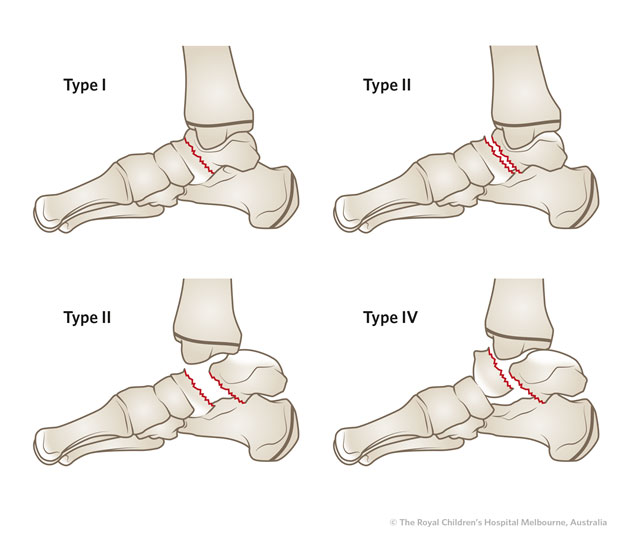
What Happens After the Cast Comes Off?
Immobilization is often necessary while a fracture heals, but spending time in a cast can affect how your ankle moves and how confidently you use the leg afterward.
Depending on the injury, healing stage, and medical guidance, you may experience:
Recovery can look different for every patient, so rehabilitation should be progressed according to your individual condition and any weight-bearing or activity restrictions provided by your healthcare team.
Why Physiotherapy May Look Beyond the Ankle
Your body doesn't walk using the ankle in isolation.
The hip, knee, and ankle work together to help control your leg, absorb and transfer forces, maintain balance, and move you forward.
If you've spent weeks protecting an injured ankle or changing how you bear weight, your overall movement pattern may also change.
During rehabilitation, a physiotherapist may therefore assess areas such as your:
Ankle Mobility
Restoring appropriate ankle movement can be an important part of returning to walking and other everyday activities.
Lower-Limb Strength
Muscles around the ankle, knee, and hip contribute to supporting and controlling the leg during movement.
Balance & Stability
After an injury and period of immobilization, balance and ankle stability may need to be progressively retrained.
Walking Pattern
Gait retraining may be included to help you gradually work toward a more comfortable and efficient walking pattern as your recovery allows.
What Can Ankle Fracture Rehabilitation Include?
Your rehabilitation plan will depend on your fracture, symptoms, healing stage, current abilities, and goals.
Physiotherapy may include:
The goal isn't simply to make the ankle move again. Rehabilitation can help rebuild the mobility, strength, stability, and movement capacity needed for everyday function.
Recovering From a Talus Fracture
A talus fracture involves one of the bones within the ankle region. Because the type and severity of fractures can vary considerably, rehabilitation should follow appropriate medical guidance.
Your physiotherapist can work within your recommended recovery and weight-bearing guidelines while gradually progressing rehabilitation based on how you're healing and functioning.
Trying to progress too quickly may not be appropriate, so exercises and activities should be individualized rather than following a one-size-fits-all timeline.
Getting Your Walking Pattern Back
It's common for walking to feel different after a lower-limb injury and a period of immobilization.
Instead of focusing only on where the fracture occurred, physiotherapy can consider how the hip, knee, ankle, strength, balance, and overall movement pattern are working together.
As healing progresses, rehabilitation can gradually help you work toward walking, using stairs, balancing, and returning to the activities that matter to you.
Need Help With Ankle Fracture Rehabilitation?
If you're recovering from an ankle or talus fracture, physiotherapy can help assess how your lower limb is functioning and develop an individualized rehabilitation plan based on your stage of recovery.
📍 Richmond
📍 Ladner
📍 Surrey
📍 Langley
Watch the Video
Watch our video to learn why ankle fracture rehabilitation may involve more than just the ankle and how the hip, knee, and ankle work together during recovery.
Follow Pain Free Health Clinic on YouTube, Instagram, Facebook, and TikTok for more educational content on ankle fracture rehabilitation, talus fracture recovery, physiotherapy, gait training, balance, mobility, and injury rehabilitation.


