Two common options for soccer are firm ground (FG) and artificial ground (AG) boots. While they appear similar, they are designed for different surfaces and playing conditions. Understanding this difference can help your game and potentially reduce unnecessary stress on your feet, ankles and hips.

FG Boots
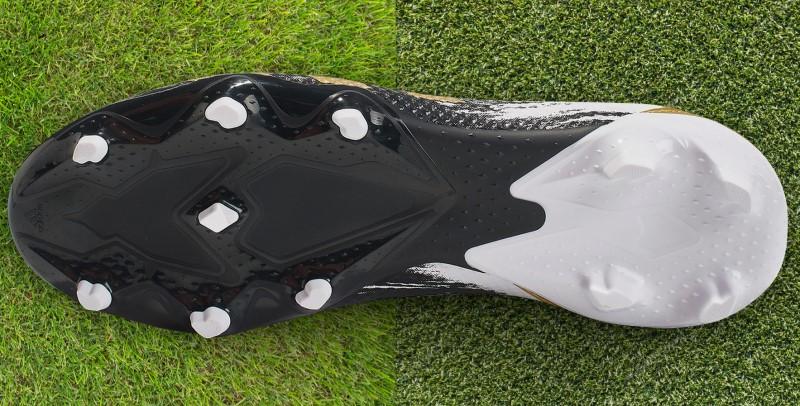
Firm ground (FG) boots are designed for grass pitches, firm or moderately dry surfaces. These boots feature long, firm studs that are meant to penetrate the grass in order to provide traction. The increased penetration allows players to maintain traction during high speed movements, push off effectively during sprinting, and remain stable when cutting and pivoting.
AG Boots
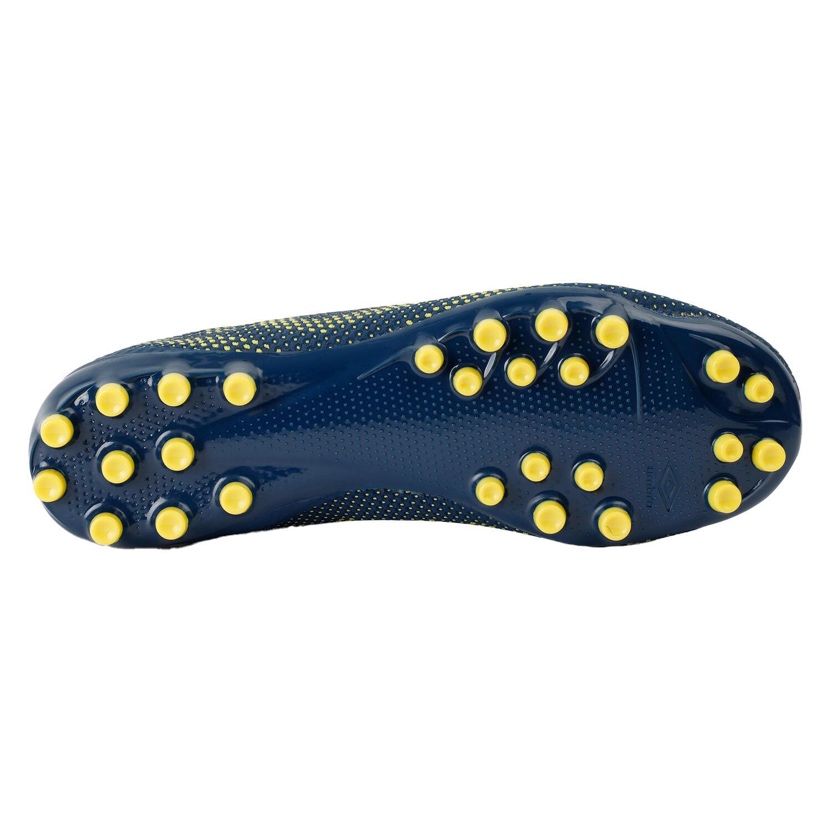
Artificial Ground (AG) boots are specifically designed for artificial turf. Artificial turf is shorter and often firmer than natural grass. AG boots are designed with more studs with a shorter and rounder design. These features allow players to maintain traction without creating excessive resistance between the feet and the playing surface.
Can You Wear FG Boots on Artificial Turf?
When using FG boots on surfaces they are not designed for, such as artificial turf, the excessive traction can reduce the ability of the foot to rotate or release when cutting. This feature can increase the forces experienced by the ankle and knee during rapid changes of direction. FG boots can also feel uncomfortable on very firm surfaces because the longer studs may create concentrated pressure in the foot.

Wearing AG Boots on Natural Grass?
AG boots can be used on natural grass, but may not provide the same level of penetration and traction as FG boots. The shorter studs may struggle to penetrate the surface efficiently, which can result in reduced grip, especially during acceleration and changes in direction.
What About FG/HG Hybrid Boots?
Some football boots are designed with FG/AG or multiground soleplates, providing versatility for different playing surfaces. These boots can be a practical option for players who play on both natural grass and artificial turf.
The Bottom Line
Your boots are an important part of the interaction between your body and the playing surface. Evidence does not suggest that using the “wrong” boot automatically causes injury. Choosing the right boots are not just about performance, it is about finding the appropriate balance between traction, movement, comfort, and surface compatibility.
Written by Bhavraj Thiara, Student Physiotherapist


