Learn how facial acupuncture works, what it may help with, and how this specialized acupuncture technique may support facial muscle relaxation, local circulation, and skin health. Discover its potential benefits for people experiencing facial tension, TMJ-related discomfort, and visible signs of aging.
More Than Just a Beauty Treatment: What Is Facial Acupuncture?
When people think of acupuncture, they usually picture needles being placed in the back, neck, or other areas of the body. But did you know acupuncture can also be performed on the face?
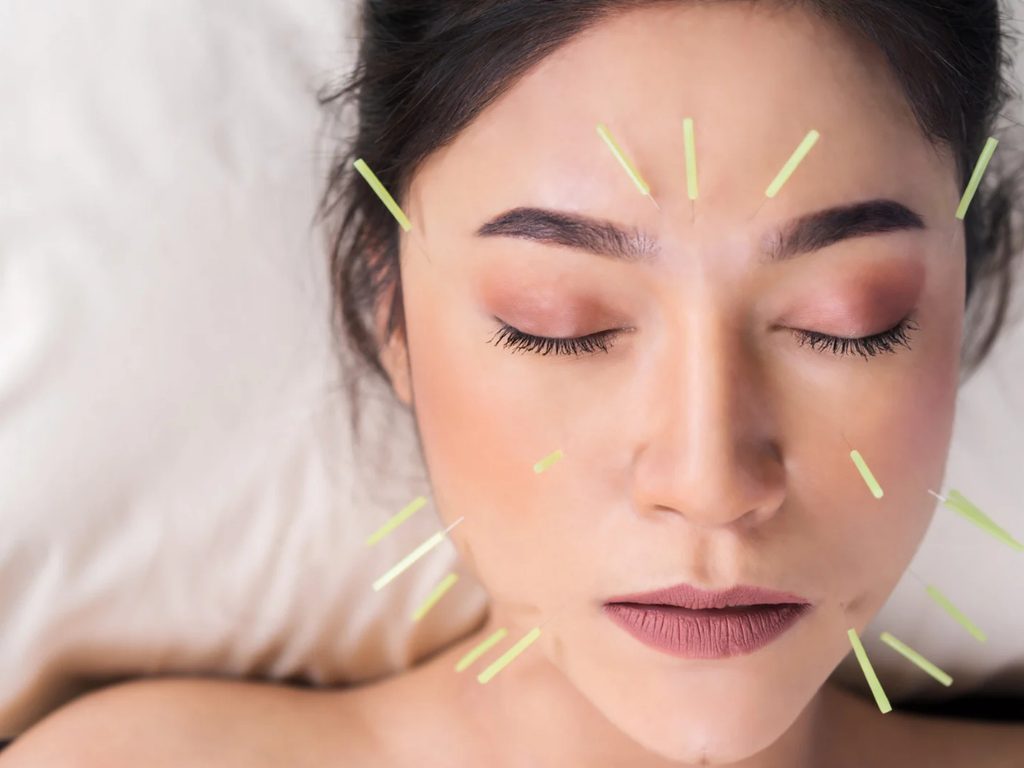
Facial acupuncture is a specialized technique that uses very fine needles placed at selected points on the face. Depending on the treatment approach, it may be used to address facial muscle tension, support local circulation, and encourage the body's natural healing response.
Although facial acupuncture is often associated with skin health and signs of aging, its potential applications go beyond cosmetic concerns. It may also be considered by individuals experiencing facial tightness and TMJ-related discomfort.
Let's explore what facial acupuncture involves and the potential benefits it may offer.
What Are the Potential Benefits of Facial Acupuncture?
Facial acupuncture may offer several potential benefits depending on the individual's concerns, treatment goals, and overall health.
1. May Help Reduce Facial Muscle Tension
Facial muscles are involved in everyday activities such as talking, chewing, smiling, and expressing emotions. Stress, repetitive movements, and jaw clenching may contribute to muscle tightness and discomfort around the face.
Facial acupuncture may help promote relaxation in targeted facial muscles. This may be worth exploring for individuals who experience:
The treatment approach should be based on an individual's symptoms and needs.
2. May Support People Experiencing TMJ-Related Discomfort
The temporomandibular joints (TMJ) connect your jawbone to your skull. These joints allow you to open and close your mouth when speaking, eating, and chewing.
When the jaw joint or surrounding muscles become irritated or strained, some people experience temporomandibular disorder (TMD) symptoms.
Common symptoms may include:
Facial acupuncture may be considered as a complementary approach to managing certain types of facial muscle tension associated with TMJ-related discomfort.
However, it is important to understand that TMJ disorders can have different causes. An appropriate assessment is necessary to determine which treatment options may be suitable.
3. May Stimulate Local Circulation
Local circulation plays an important role in delivering oxygen and nutrients to body tissues.
Facial acupuncture uses fine needles at selected points, which may stimulate local tissue responses and circulation in the treated areas.
Healthy circulation supports normal tissue function and the body's natural repair processes. However, individual responses to treatment can vary.
4. May Stimulate Collagen Production
Collagen is a protein that helps provide structure, firmness, and support to the skin. As we age, natural collagen production gradually decreases, contributing to changes in skin elasticity and the appearance of fine lines and wrinkles.
Facial acupuncture is sometimes used as part of an approach to supporting skin health and addressing visible signs of aging.
Needle stimulation may trigger local tissue responses, including processes involved in collagen production. However, evidence for the cosmetic benefits of facial acupuncture is still developing, and results are not guaranteed.
5. May Support Overall Facial Relaxation
Facial tension can sometimes become noticeable during everyday activities, especially when someone frequently clenches their jaw, tightens their facial muscles, or experiences stress.
Facial acupuncture may encourage relaxation by targeting selected points around the face.
Some individuals may find this helpful as part of their overall wellness routine, particularly when facial tightness is one of their concerns.
How Does Facial Acupuncture Work?
Facial acupuncture involves inserting very fine, sterile, single-use needles into selected points on the face.
The practitioner determines the placement of the needles based on the individual's concerns and treatment goals.
The treatment may involve:
The number of sessions and treatment frequency may vary depending on your individual needs and response.
Is Facial Acupuncture the Same as Traditional Acupuncture?
Both facial acupuncture and traditional acupuncture use fine needles placed at selected points on the body. However, they may have different treatment goals and areas of focus.
Traditional acupuncture may address concerns involving different parts of the body, such as muscle tension, discomfort, and other health-related concerns.
Facial acupuncture focuses specifically on the face and may be used to address facial muscle tension, TMJ-related discomfort, and skin health concerns.
Your practitioner can help determine which acupuncture approach may be appropriate based on your symptoms and treatment goals.
What Should You Expect During a Facial Acupuncture Session?
If you're considering facial acupuncture for the first time, it's normal to have questions about what the treatment feels like.
Before starting, your practitioner should discuss your health history, current concerns, and expectations.
During the session, very fine needles are carefully placed at selected facial points. You may notice a mild sensation when the needles are inserted, although individual experiences can vary.
Some people describe the experience as relaxing, while others may notice temporary sensitivity or mild discomfort.
After treatment, you may experience temporary redness, tenderness, or small bruises around the treated areas. These effects can vary from person to person.
Make sure to discuss any concerns, medications, bleeding conditions, skin conditions, or other relevant health information with your practitioner before treatment.
Who May Consider Facial Acupuncture?
Facial acupuncture may be worth discussing with a qualified practitioner if you:
Facial acupuncture may not be appropriate for everyone. A consultation can help determine whether it is suitable for your health history and individual concerns.
Is Facial Acupuncture Safe?
When performed by a properly trained and qualified practitioner using sterile, single-use needles and appropriate techniques, acupuncture is generally considered a low-risk procedure.
However, like other treatments involving needles, possible side effects include:
More serious complications are uncommon but possible, particularly when acupuncture is performed incorrectly or without proper infection-control practices.
Always discuss your medical history and any concerns with your practitioner before beginning treatment.
Need Facial Acupuncture? Visit Pain Free Health Clinic
If you're experiencing facial tension, TMJ-related discomfort, or are interested in learning more about facial acupuncture for skin health, Pain Free Health Clinic can help you explore your treatment options.
Our team can discuss your concerns, explain the treatment process, and help determine whether facial acupuncture may be appropriate for your needs.
Visit one of our clinics:
Book an appointment through our online booking page or contact our team to learn more.
Watch the Video
Curious about how facial acupuncture works?
Watch our video to learn more about this treatment, its potential benefits, and how it may help address facial muscle tension, TMJ-related discomfort, and skin health concerns.
Learn More About Pain Free Health Clinic
Follow Pain Free Health Clinic on YouTube, Instagram, Facebook, and TikTok for more educational content on facial acupuncture, TMJ-related discomfort, facial muscle tension, acupuncture therapy, local circulation, collagen production, and skin health.
Discover more ways to support your movement and overall well-being with Pain Free Health Clinic.


