Arthritis is one of the most common causes of joint pain and stiffness, especially as we age. For many people, hearing the word “arthritis” leads to concerns about injections or surgery. While surgery is sometimes necessary, many people successfully manage arthritis without surgery and continue living active, independent lives.
Understanding your options can make a significant difference in how you move and feel each day.
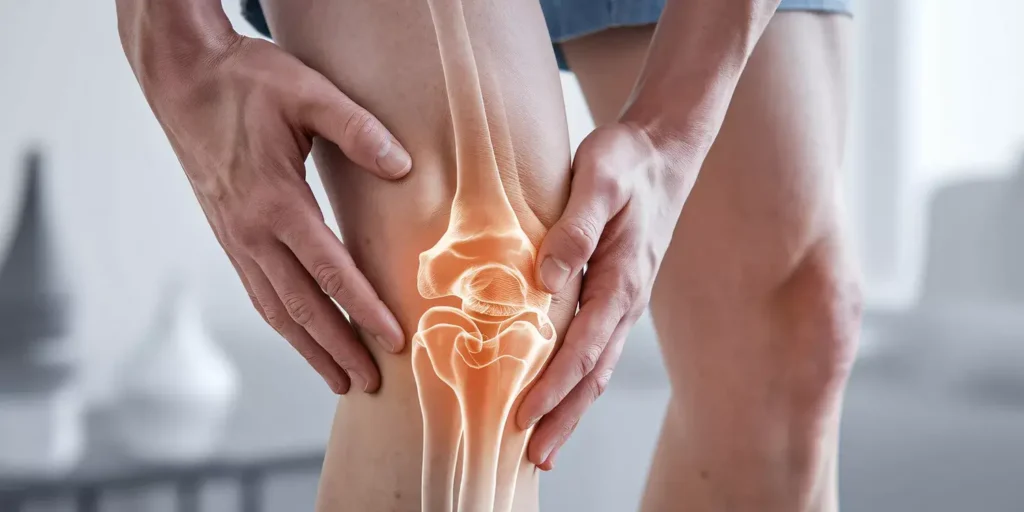
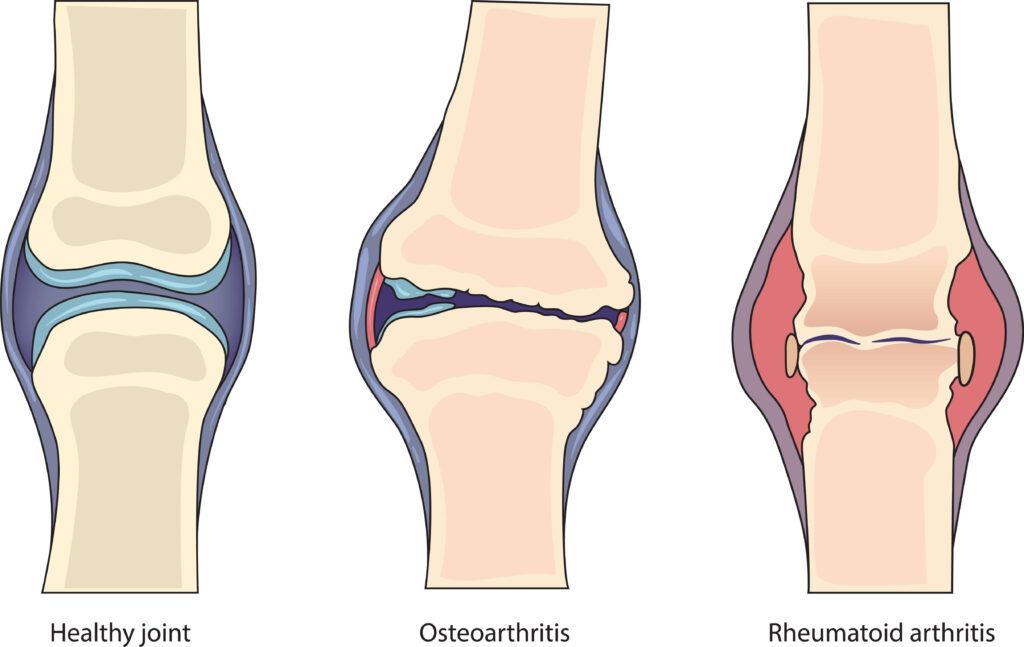
Arthritis refers to inflammation and degeneration within a joint. The most common forms include:
Although arthritis involves structural joint changes, pain and function are strongly influenced by movement, muscle strength, and lifestyle factors, many of which can be addressed with physiotherapy.
In many cases, no. Surgery is typically considered only when:
For most people, arthritis symptoms can be managed effectively with non-surgical strategies, especially when care begins early.
1. Strengthening the Muscles Around the Joint
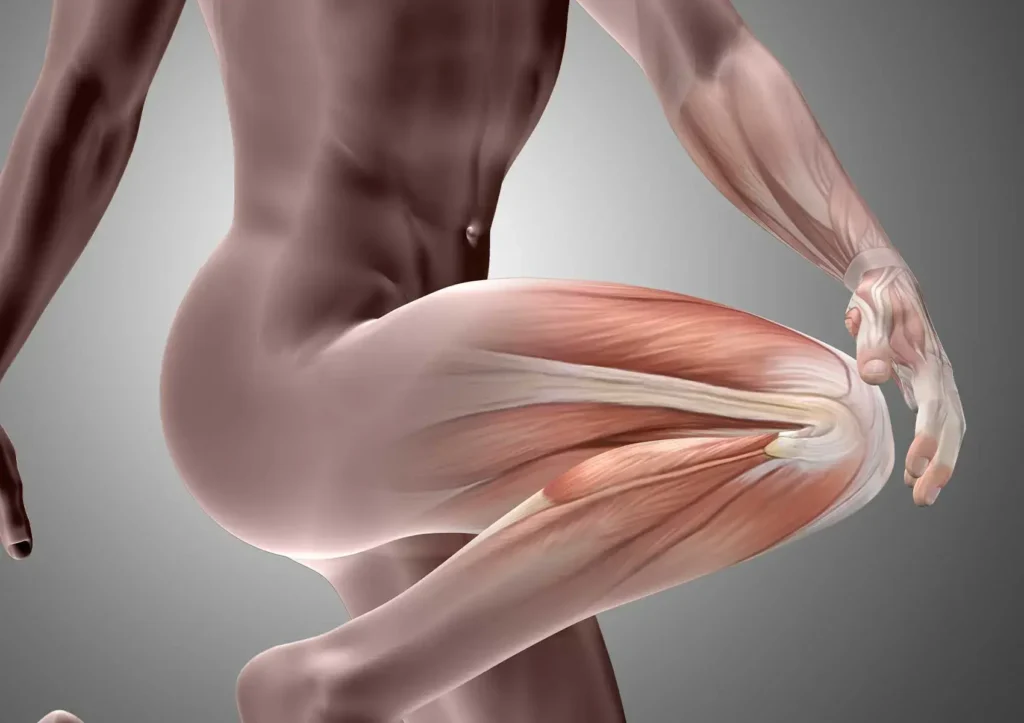
Strong muscles reduce stress on arthritic joints. Physiotherapy focuses on strengthening:
Improved muscle support enhances joint stability and often leads to meaningful pain reduction.
2. Improving Joint Mobility & Flexibility
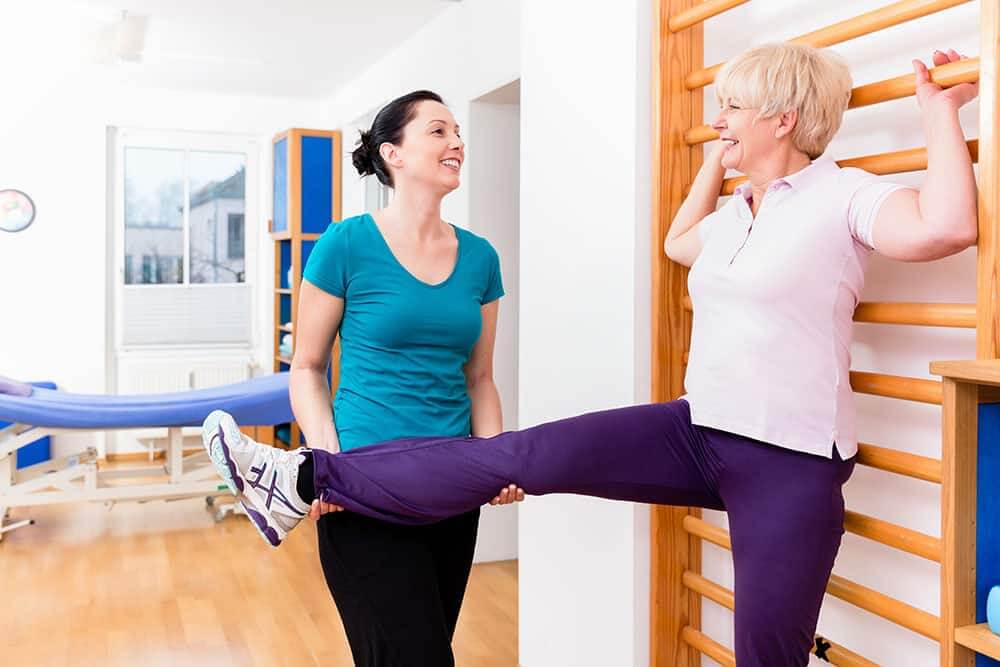
Gentle movement helps:
Contrary to common belief, movement is medicine for arthritis.
3. Learning Joint Protection Techniques
Small changes in how you move can significantly reduce joint strain. Physiotherapy education may include:
These techniques help protect joints while allowing you to stay active.
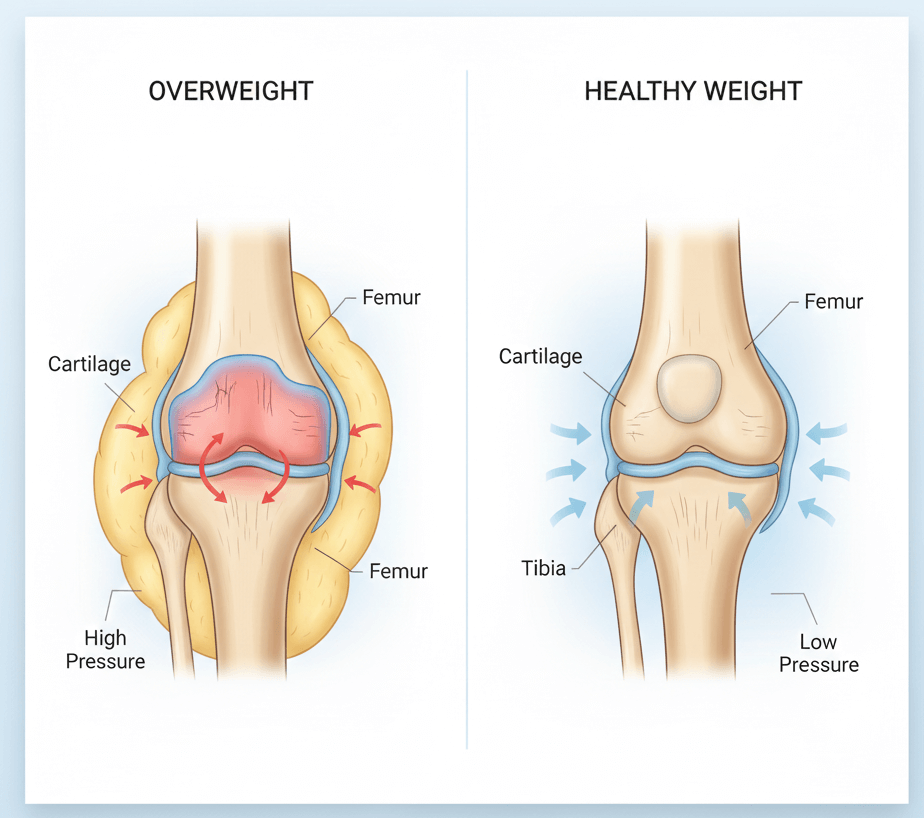
4. Weight Management & Load Reduction
Even modest weight changes can greatly reduce joint stress—especially in weight-bearing joints like the knees and hips. Physiotherapy helps guide safe activity choices that support joint health.
5. Pain & Inflammation Management
Physiotherapy helps manage pain naturally through:
This reduces reliance on medications whenever possible.

Arthritis-friendly exercises are gentle, controlled, and tailored to each individual. Common examples include:
Programs are always adjusted based on symptoms, tolerance, and functional goals.
For many individuals, especially seniors, in-home physiotherapy provides safe and convenient care by:

You should consider physiotherapy if:
Early intervention often leads to better long-term outcomes.
At Pain Free Health, our focus is on restoring function, improving comfort, and supporting long-term independence, not just temporary pain relief.
Across our four clinics serving communities throughout the Lower Mainland, we provide:
✔ Comprehensive joint and movement assessments
✔ Customized exercise and mobility programs
✔ Pain and flare-up management strategies
✔ Education for long-term joint protection
✔ Support for confident, active living
Our physiotherapy approach is individualized, evidence-based, and designed to help you stay moving safely.
Arthritis doesn’t mean you have to stop moving or rush into surgery. With the right guidance, many people manage their symptoms effectively and continue doing the activities they enjoy.
Book your in-home or clinic-based physiotherapy assessment with Pain Free Health today and take the first step toward confident, active living.


