Low back pain is one of the most common reasons people seek physiotherapy and healthcare services, especially as we age. Whether back pain develops suddenly or gradually over time, it can interfere with daily activities, independence, and overall quality of life.
The good news is that most low back pain is manageable and often preventable with the right, conservative approach, including physiotherapy and guided movement care.
The lower back, also known as the lumbar spine, supports much of the body’s weight and allows for essential movements such as bending, lifting, and twisting. Over time, natural wear and tear combined with daily physical stress can lead to discomfort or injury.
Common causes of low back pain include:
1. Muscle Weakness or Imbalance
Weak core, hip, or back muscles place additional strain on the lumbar spine, increasing the risk of pain.
2. Poor Posture
Prolonged sitting, slouching, or standing with poor alignment increases pressure on spinal joints and surrounding tissues.
3. Reduced Mobility
Stiff hips or limited spinal movement force the lower back to compensate, often leading to irritation and inflammation.
4. Arthritis & Degenerative Changes
Age-related conditions such as disc degeneration or spinal arthritis can cause stiffness, soreness, and reduced mobility.
5. Previous Injuries
Old injuries may alter movement patterns and contribute to recurring or chronic back pain.

Low back pain can make everyday activities more difficult, including:
As pain increases, people often move less, which can lead to further stiffness, weakness, and ongoing discomfort.
While age-related changes in the spine are common, chronic low back pain is not something you have to “just live with.” Many cases are caused by mechanical and movement-related issues that respond very well to physiotherapy and conservative treatment.
Early assessment and treatment can help prevent short-term pain from becoming a long-term problem.
Physiotherapy focuses on improving movement, strength, and confidence while reducing pain safely and effectively.
1. Strengthening the Core & Support Muscles

Strong abdominal, hip, and back muscles help stabilize the spine and reduce strain.
2. Improving Flexibility & Mobility

Gentle stretching improves movement in the hips and spine, reducing pressure on the lower back.
3. Posture & Movement Education
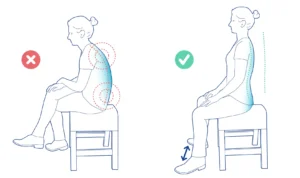
Learning proper sitting, standing, bending, and lifting techniques protects the spine during daily activities.
4. Pain Reduction Without Medication

Physiotherapy uses movement-based strategies to reduce inflammation, stiffness, and discomfort naturally.
5. Balance & Stability Training

Improved balance reduces the risk of falls and sudden movements that can trigger back pain.
When guided by a physiotherapist, exercise is one of the most effective tools for managing low back pain.
Common physiotherapy-guided exercises include:
All exercises are customized to the individual’s comfort, ability, and goals.
For individuals with limited mobility or busy schedules, in-home physiotherapy provides:

Consider seeing a physiotherapist if:
Early treatment often leads to faster recovery and better long-term outcomes.
Our local in-home physiotherapy programs are designed to:
Low back pain doesn’t have to control your life.
With the right guidance, most people can move more comfortably and safely again.
Book your in-home physiotherapy assessment today and start your path toward better back health.


