Rounded shoulders are commonly caused by posture strain and muscle imbalance. Learn how posture exercises help improve shoulder positioning, upper body stability, and movement.
Rounded Shoulders Are More Common Than You Think
Long hours sitting, desk work, phone use, and poor posture habits can gradually cause the shoulders to round forward over time.
This posture pattern may contribute to:
• upper back tension
• tight chest and shoulder muscles
• restricted shoulder movement
• poor posture and alignment
That’s why strengthening and posture-focused exercises are important.
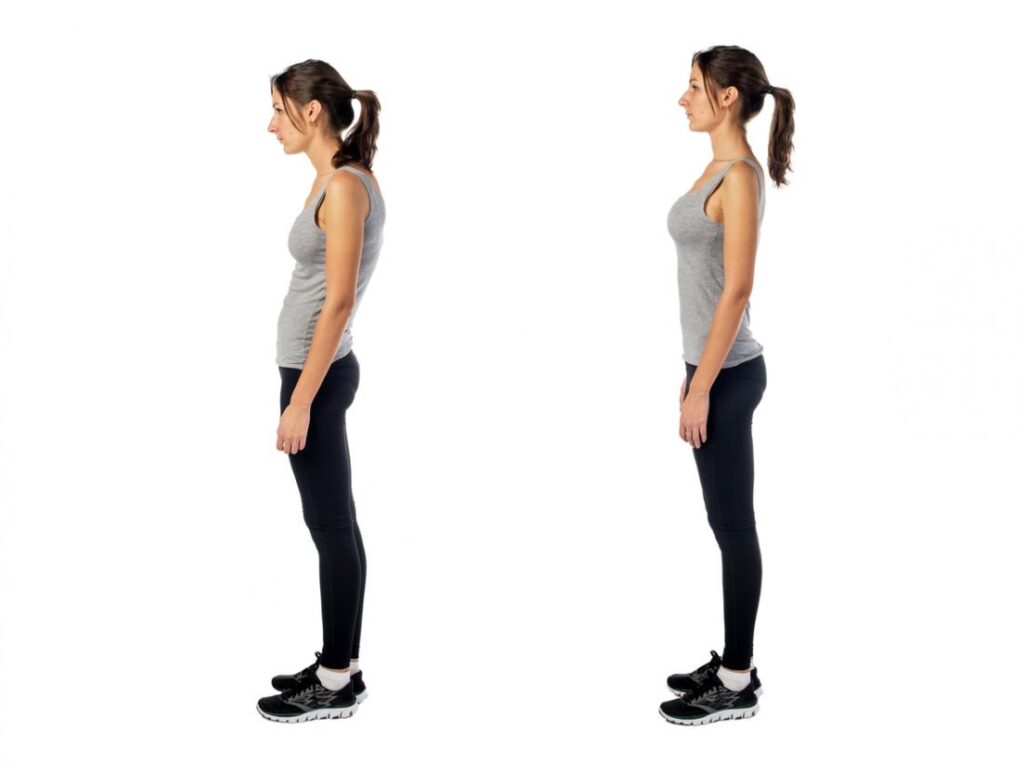
How Posture Exercises May Help
Exercises focused on posture and shoulder control help activate muscles that support the upper back, shoulders, and spine.
They may help:
• improve posture and alignment
• strengthen postural muscles
• reduce upper body tension
• support better shoulder movement
Improving posture is not just about “standing straighter”—it’s also about improving strength and movement control.
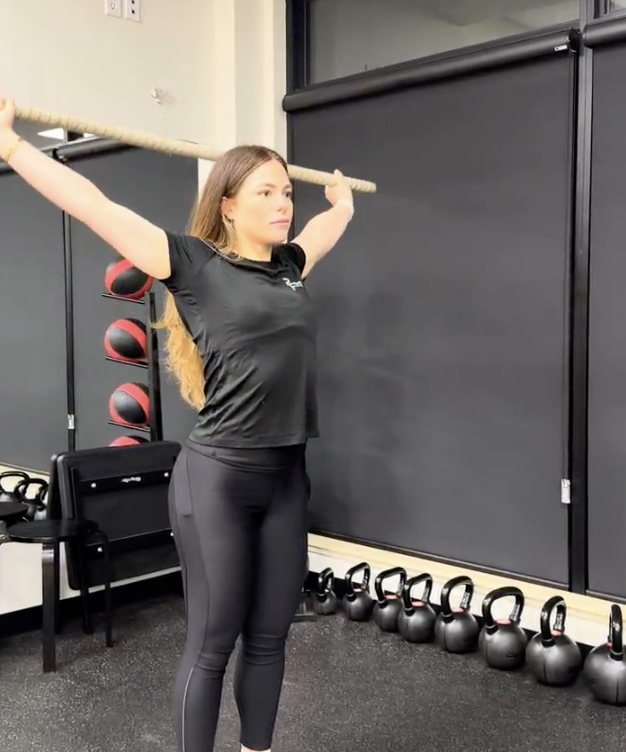
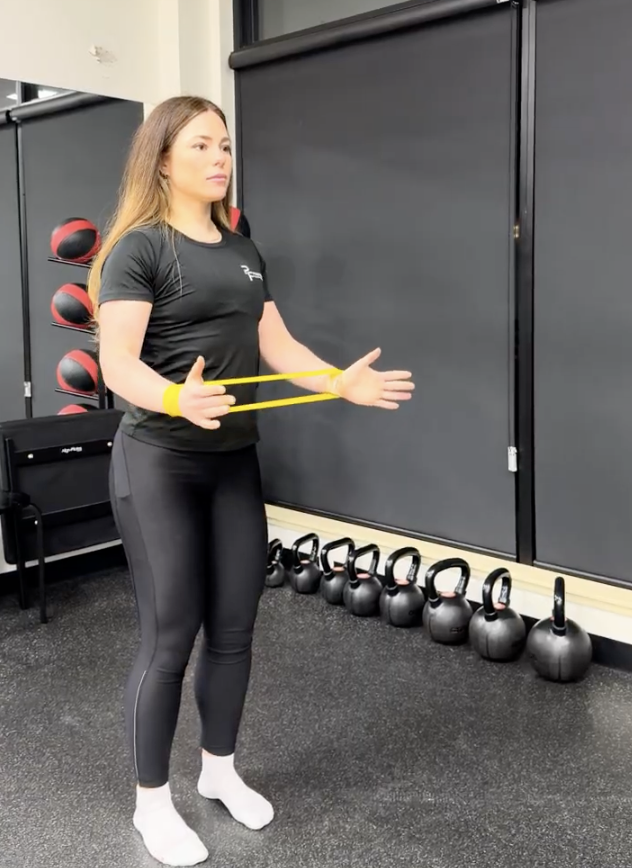
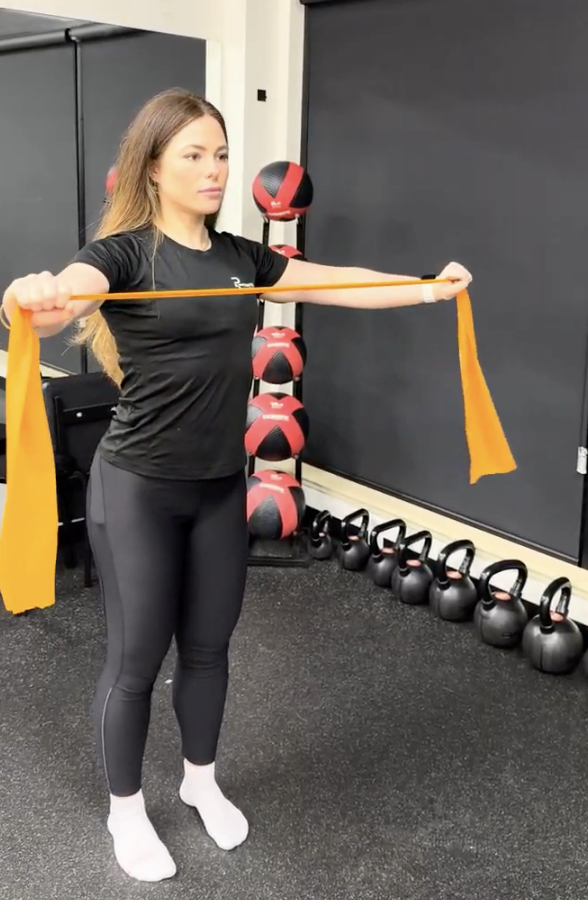
Why Strength and Mobility Matter Together
Rounded shoulders are often linked to both:
• tight muscles in the front of the body
• weakness through the upper back and postural muscles
Improving mobility and strengthening the right muscles may help the body maintain better positioning during daily activity.
Final Thoughts
Small posture habits and strengthening exercises can make a big difference over time.
Improving posture and upper body control may help reduce tension, improve movement, and support better overall function.
Take the Next Step Toward Better Posture
If posture strain, shoulder tightness, or upper back tension keeps returning, a proper assessment can help identify what may be contributing to the problem.
Pain Free Health Clinic provides services in:
Richmond
Ladner
Surrey
Langley
Book your assessment today and support better movement and posture.
See Posture Exercises in Action
Want to see exercises that help improve posture, mobility, and upper body strength?
Follow Pain Free Health Clinic on YouTube, Instagram, Facebook, and TikTok for more rehab, mobility, and posture content.


