Learn why rehabilitation exercises are different from regular workouts, how targeted muscle activation helps restore movement, and why retraining the brain is an important part of recovery.
Rehabilitation Isn't Just Exercise
When people think about rehabilitation, they often picture exercises that simply make muscles stronger.
But effective rehabilitation is about much more than strength.
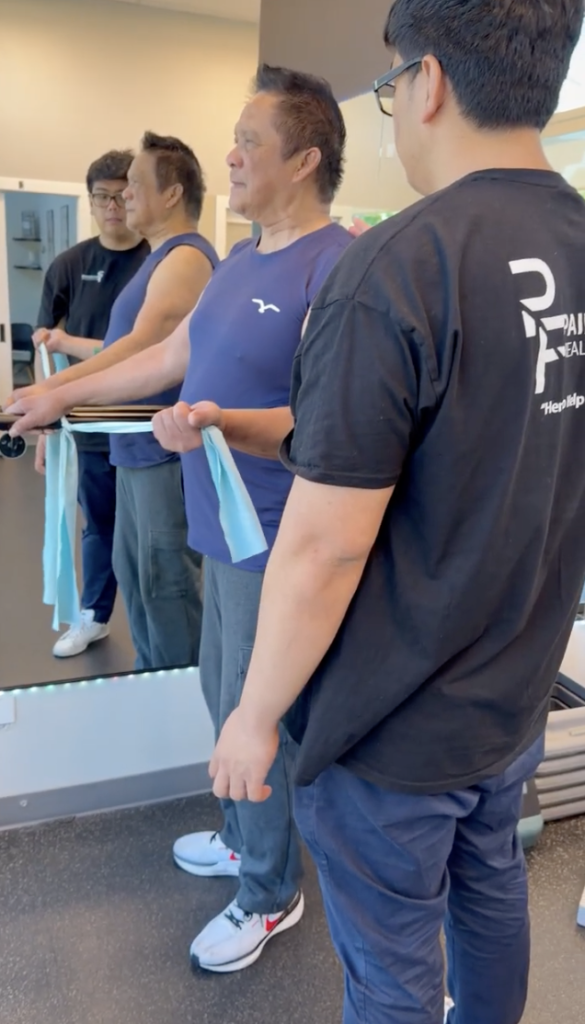
The goal isn't just to exercise—it's to identify the muscles that aren't doing their job and help your body relearn how to move efficiently. That's why rehabilitation exercises are specific, intentional, and tailored to each individual.
Why Rehabilitation Exercises Are Different
Every movement your body makes requires multiple muscles working together.
When an injury, pain, or prolonged inactivity changes the way you move, some muscles may become weak or underactive while others work harder to compensate.
Instead of simply strengthening everything, rehabilitation focuses on finding the "weak link" and restoring normal muscle function.
Your Brain Plays an Important Role
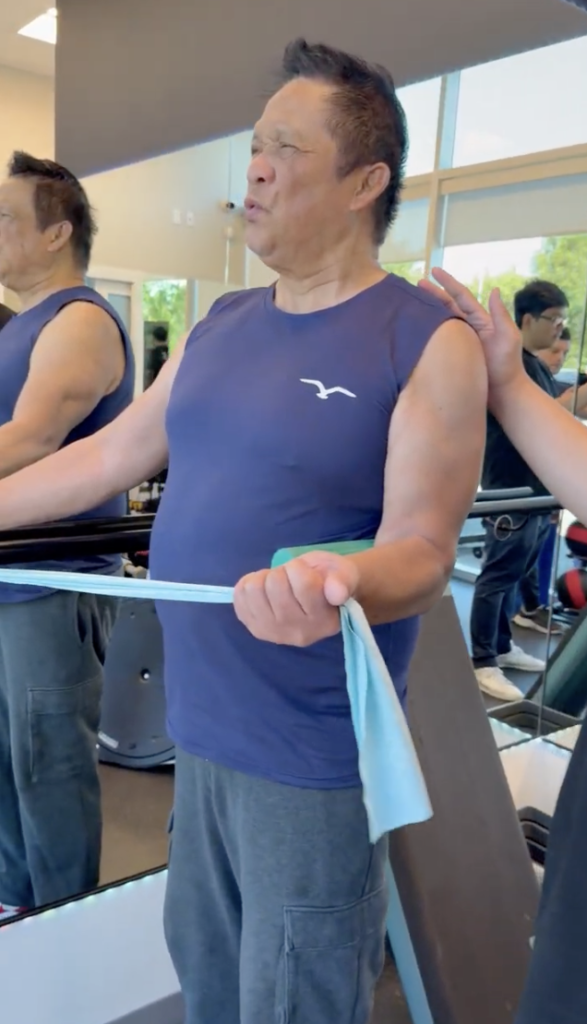
Movement doesn't start with your muscles—it starts with your brain.
Your brain sends signals that tell your muscles when to contract, relax, and work together.
When movement patterns change because of pain or injury, your brain may continue using those same compensatory patterns even after the original injury begins to heal.
That's why rehabilitation often includes exercises designed to retrain both your muscles and your nervous system.
Why Specific Exercises Matter
Not every exercise is appropriate for every stage of recovery.
Targeted rehabilitation exercises are selected to activate the muscles that need the most attention before progressing to more demanding movements.
As muscle activation and movement quality improve, your rehabilitation program can gradually advance toward functional strengthening and higher-level activities.
How Rehabilitation May Help
When performed correctly, rehabilitation exercises may help:
Every rehabilitation program is based on an individual assessment and tailored to your specific goals and condition.
Why Functional Strength Still Matters
Functional strength exercises remain an important part of rehabilitation.
However, there is a time to focus on rebuilding proper muscle activation before progressing to larger, more complex movements.
Once the right muscles are doing their job, your body can move more efficiently and generate force more effectively.
Final Thoughts
Rehabilitation isn't about doing more exercises—it's about doing the right exercises.
Targeted rehabilitation helps identify muscles that aren't contributing effectively and retrains your body to move with better control, coordination, and efficiency.
Sometimes the most important exercise isn't the heaviest lift—it's the one your body needs most.
Take the Next Step Toward Better Movement
If pain, weakness, or movement limitations are affecting your daily activities or exercise, a professional assessment can help identify which muscles may not be functioning optimally.
Pain Free Health Clinic provides physiotherapy, rehabilitation, movement assessment, exercise therapy, and recovery-focused care in:
📍 Richmond
📍 Ladner
📍 Surrey
📍 Langley
Watch Rehabilitation Exercises in Action
Want to see how targeted rehabilitation exercises help improve movement and muscle activation?
Watch the video above to learn why rehabilitation focuses on restoring proper movement patterns before progressing to more advanced strengthening exercises.
Learn More About Rehabilitation & Movement
Want more educational content about rehabilitation, physiotherapy, exercise therapy, movement, and injury recovery?
Follow Pain Free Health Clinic on YouTube, Instagram, Facebook, and TikTok for more movement, rehabilitation, and wellness content.


