Myofascial slings are interconnected networks of muscles, fascia, and ligaments that work together to stabilize the body and optimize movement. These slings, crucial for dynamic activities such as running, swimming, and cycling, allow for efficient energy transfer across the body and enhance overall performance.
The anterior oblique sling (AOS) consists of the internal and external obliques and connects with the adductor muscles on the opposite side of the body via the adductor- abdominal fascia.
This sling plays a crucial role in stabilizing the pelvis during the running stride, as well as facilitating trunk rotation and pelvic alignment. An imbalance in the AOS can lead to a shearing force across the front of the pelvis, which often presents as groin pain. Moreover, weakness in the obliques can cause excessive trunk rotation during repetitive activities like running leading to back pain.
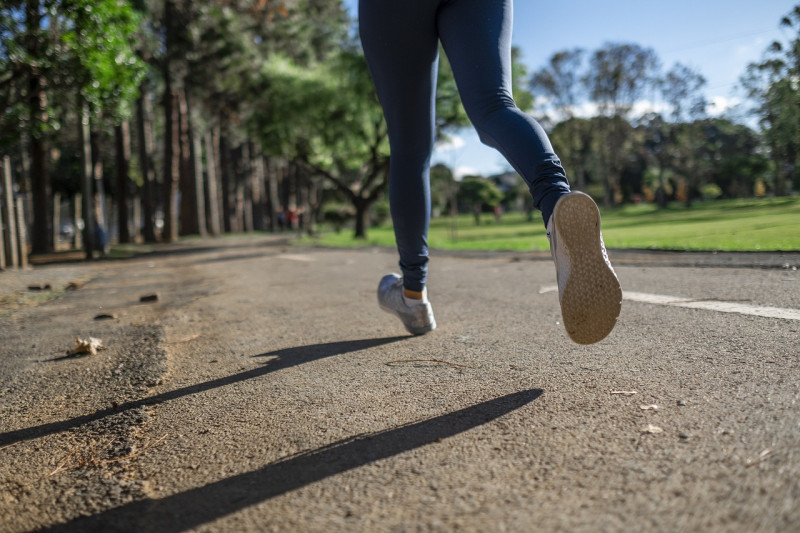
The posterior oblique sling (POS) consists of the latissimus dorsi, gluteus maximus, and the thoracolumbar fascia.

This sling is crucial for the control of dynamic movement, playing a key role during the single-leg stance phase of walking and running, where opposite arm and leg movements work in harmony. The POS helps stabilize the pelvis and lumbar spine by generating tension between the gluteus maximus and the latissimus dorsi, particularly during running, when the arm and leg pull backward simultaneously
Weakness or imbalance in any of these slings can lead to inefficient movement patterns and increase the risk of injury. Imbalances in the AOS can lead to groin pain and poor engagement of the POS can compromise pelvic stability, leading to lower back or hip pain. By understanding and training these interconnected systems, runners can enhance performance, improve running economy, and prevent injuries.


