Ankle fractures are common, and in cases where the bones are significantly misaligned or the ankle is unstable, surgery is often required. However, the post- operative management of ankle fractures, particularly the timing of weight-bearing, remains a crucial topic for both patients and healthcare providers. Should you start weight-bearing early, or is it safer to delay?
Research has shown that patients who began weight-bearing two weeks after surgery- compared to those who waited six weeks-experienced improved ankle function and better overall health outcomes. By the 6-week and 4-month post-surgery marks, the early weight-bearing group showed the most notable improvements in recovery. Interestingly, complication rates, such as infections or improper healing, were found to be similar between early and delayed weight-bearing groups. This is a critical finding as it suggests that early weight-bearing does not pose an additional risk of complications. Moreover, early weight-bearing was associated with lower healthcare and societal costs. Faster recovery means a quicker return to daily activities and reduced medical expenses, benefiting both the individual and the system.
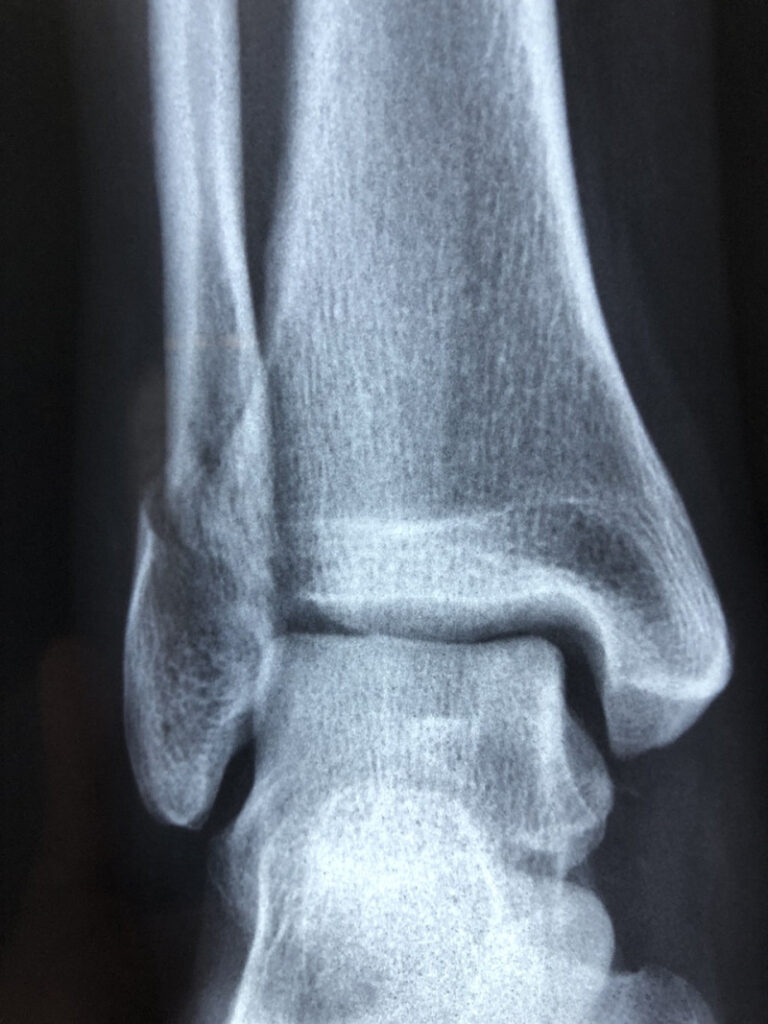
While these findings are promising, it’s essential to approach recovery with individualized care. Surgeons’ recommendations should take precedence, as the type of fracture fixation and individual patient factors play a crucial role in determining when it is safe to begin weight- bearing. In some cases, caution may still be required, especially if the fracture is complex or the fixation method is less stable.
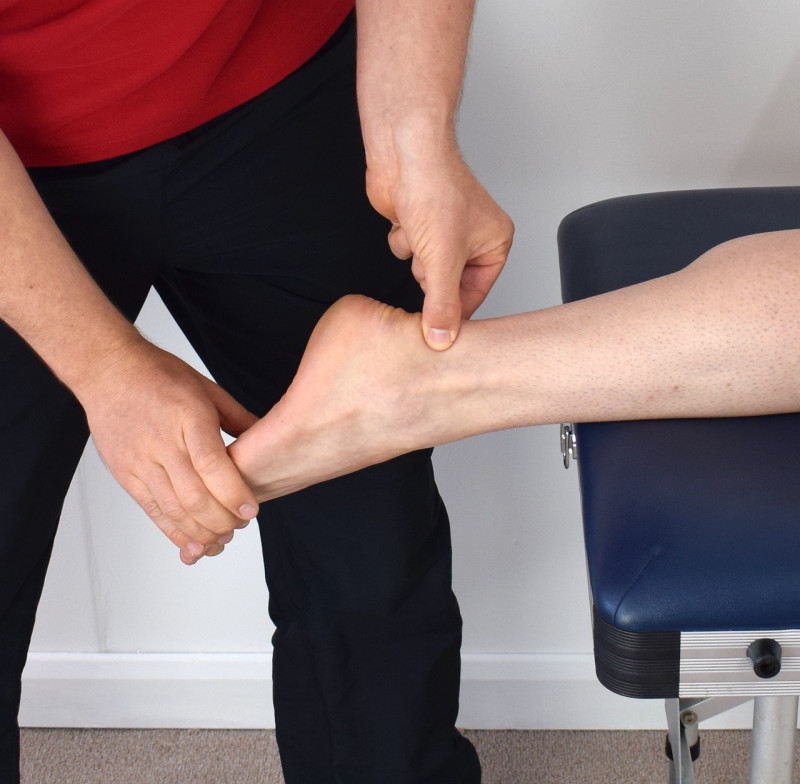
Physiotherapy is a cornerstone of post-operative recovery, regardless of whether you start early or delayed weight-bearing. A physiotherapist will guide you through exercises to improve ankle range of motion, strength, and stability, ensuring that you regain full function as quickly and safely as possible. Starting physiotherapy as early as possible can further support your recovery, ensuring you regain mobility, strength, and confidence in your ankle.


