Foam rolling and mobility work help athletes reduce muscle tension, improve recovery, and support better movement quality for sports performance and injury prevention.
Recovery Is Part of Performance
Athletes spend a lot of time focusing on strength, conditioning, and training performance.
But recovery and mobility are just as important for how the body moves, performs, and handles stress over time.
Without proper recovery, tight muscles and restricted mobility can affect movement quality, posture, rotation, and overall athletic performance.
For hockey players and active individuals, mobility work plays a major role in movement efficiency both on and off the ice.
Why Mobility and Recovery Matter
Sports place repetitive stress on muscles and joints through:
• skating
• rotation
• sprinting
• shooting mechanics
• repetitive movement and impact
Over time, this may contribute to:
• muscle tightness
• restricted mobility
• movement compensation
• reduced recovery and performance
Recovery work helps the body move more efficiently and tolerate training demands better.
How Foam Rolling May Help
Foam rolling is commonly used by athletes to help improve mobility and reduce built-up muscle tension.
It may help:
• reduce muscle tightness
• improve mobility and recovery
• support better movement quality
• improve performance during training and sport
Mobility-focused recovery may also help reduce restriction in muscles heavily involved during sport.
Foam Rolling the Oblique Muscles
The obliques play an important role in:
• rotation
• shooting mechanics
• trunk control
• athletic movement
Releasing tension through the obliques may help improve rotational movement and movement efficiency during sport.
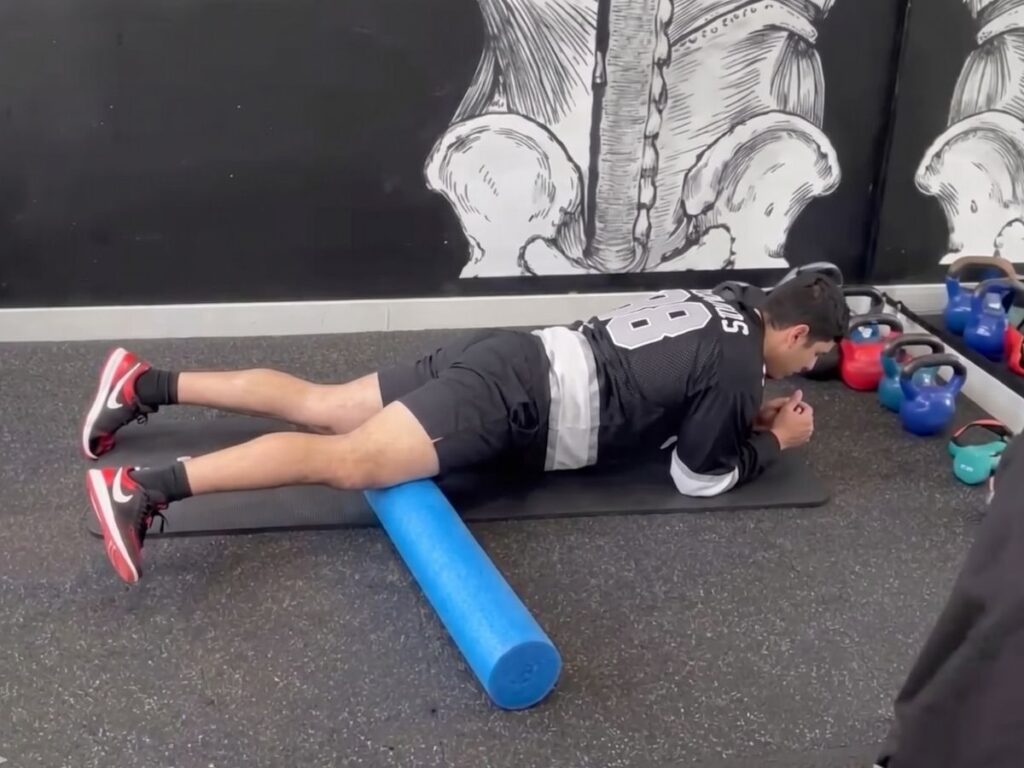
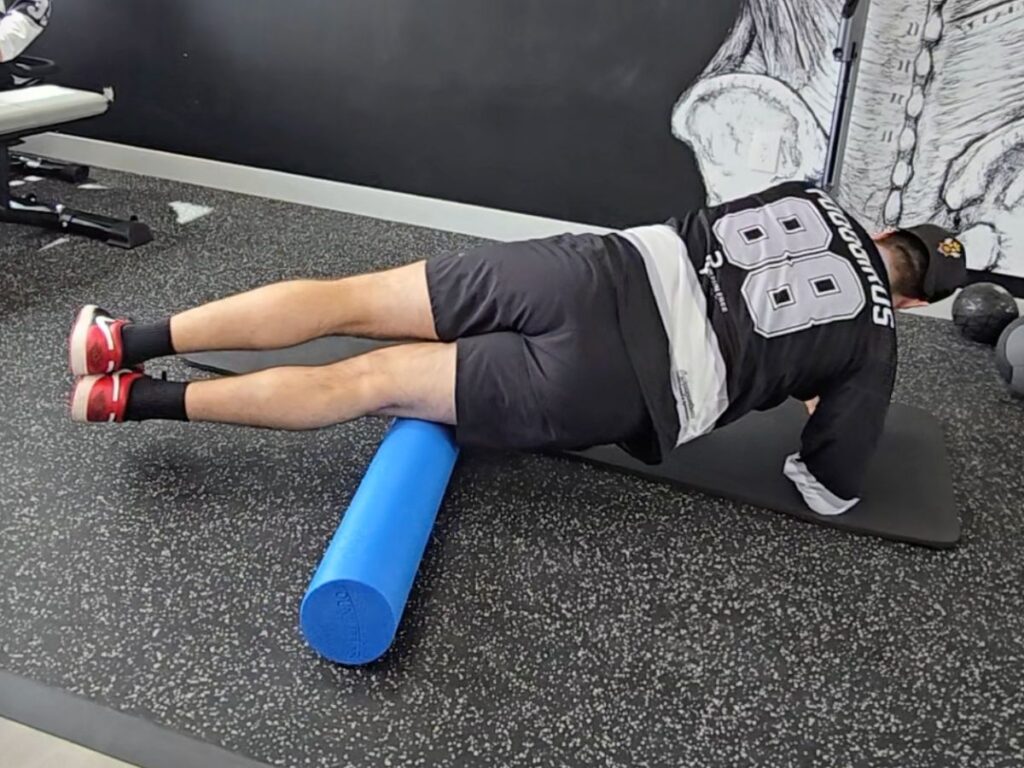
Foam Rolling the Quads and IT Band
The quads and IT band experience constant stress during skating, running, jumping, and lower body movement.Foam rolling these areas may help:
• reduce knee tension
• improve lower body mobility
• support movement and recovery
• reduce tightness from repetitive activity
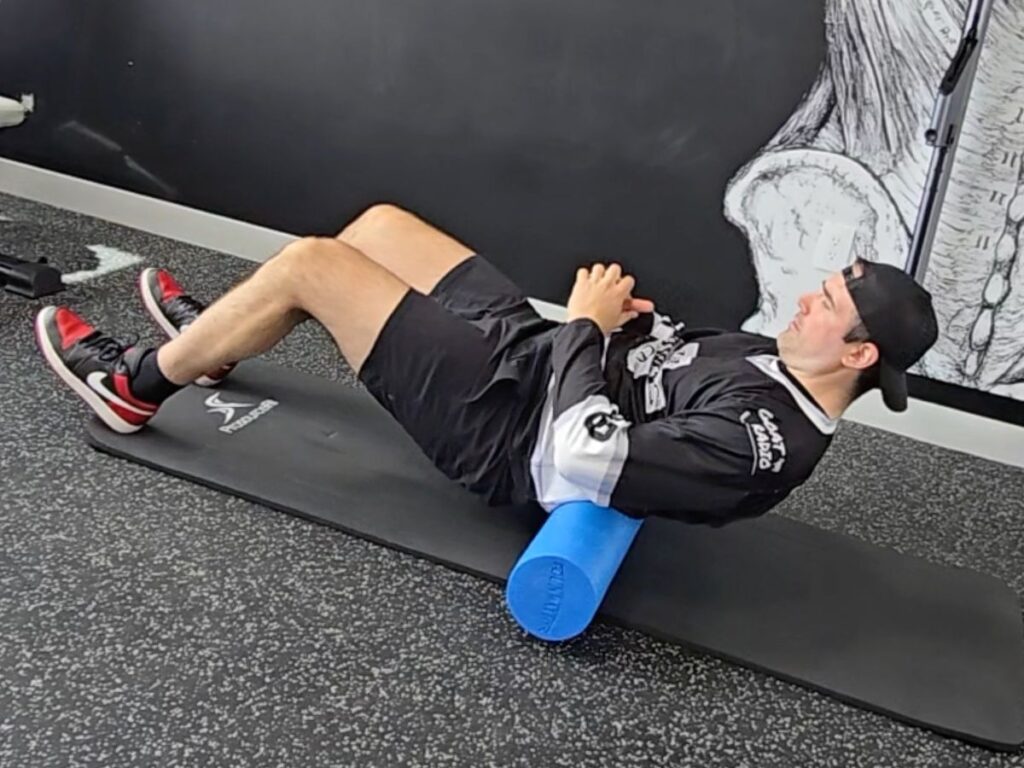
Thoracic Spine Mobility for Athletes
Thoracic mobility is important for:
• posture
• rotation
• upper body movement
• shooting and athletic mechanics
Restricted upper back mobility may affect movement quality and create compensation through surrounding areas.
Foam rolling the thoracic spine may help improve mobility and movement efficiency.
Why Better Recovery Improves Performance
Recovery is not separate from performance—it supports performance.
Athletes who prioritize mobility and recovery may:
• move more efficiently
• recover better between training and games
• reduce unnecessary tension and restriction
• support long-term athletic performance
Sometimes better performance starts with better recovery.
Final Thoughts
Mobility and recovery work are important parts of athletic performance and injury prevention.
Foam rolling and mobility-focused recovery techniques may help athletes move better, recover more effectively, and reduce built-up tension caused by training and sport demands.
Small recovery habits can make a big difference over time.
Take the Next Step Toward Better Recovery
If your body constantly feels tight, restricted, or overloaded from sports and training, our team is here to help.
Pain Free Health Clinic provides services in:
Richmond
Ladner
Surrey
Langley
Book your assessment today and support your recovery and performance.
See Athlete Recovery in Action
Want to see how recovery and mobility techniques help athletes improve movement and performance?
Follow Pain Free Health Clinic on YouTube, Instagram, Facebook, and TikTok for more athlete recovery, rehab, and performance content.


