The VMO muscle plays an important role in knee stability and movement control. Learn how weakness, tightness, and trigger points may contribute to knee pain and injury risk in athletes.
Athletes Shouldn’t Ignore This Knee Muscle
Knee problems are extremely common in athletes—especially in sports involving running, jumping, cutting, skating, and quick changes of direction.
One important muscle often involved in knee stability is the VMO (Vastus Medialis Oblique).
This muscle helps support the knee during movement and plays a major role in lower body control and stability.
When it becomes weak, tight, or overloaded, it may affect how the knee moves and handles stress during activity.
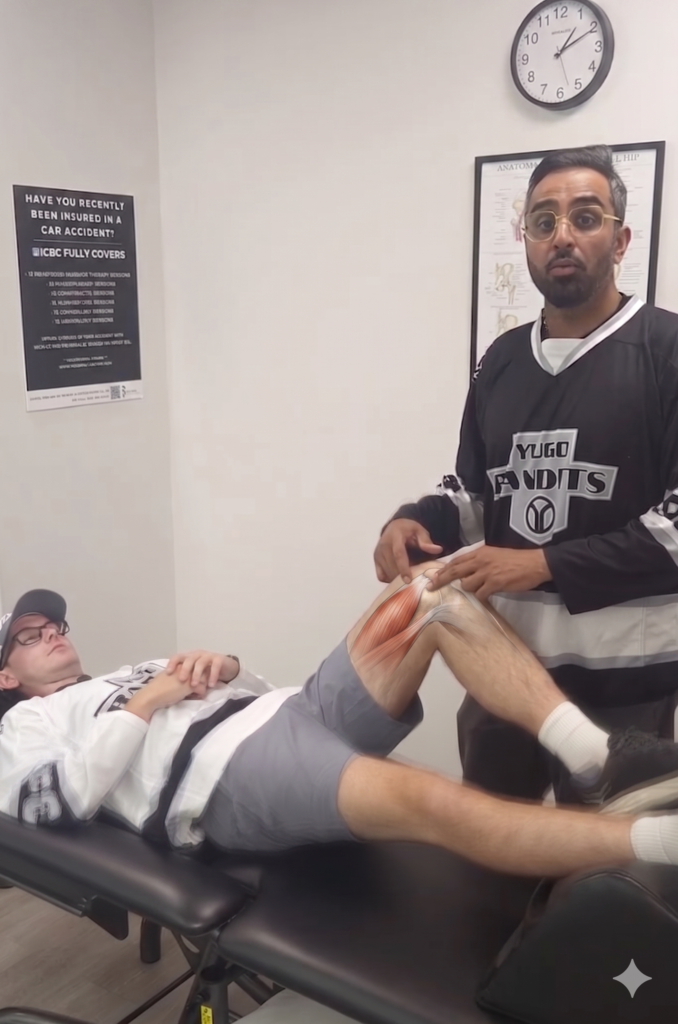
What Is the VMO Muscle
The VMO is part of the quadriceps muscle group located on the inner portion of the thigh near the knee.
It helps:
• support knee stability
• assist with proper knee tracking
• improve movement control
• support lower body function during activityFor athletes, healthy VMO function is important for movement efficiency and injury prevention.
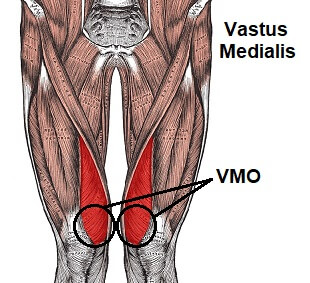
What Happens When the VMO Becomes Tight or Weak
When the VMO is not functioning properly, it may contribute to:
• knee instability
• restricted movement
• muscle tenderness and trigger points
• increased stress on surrounding structures
Over time, poor knee stability may increase the risk of injuries involving:
• MCL strain
• LCL strain
• ACL injury
This is why both mobility and strength matter for knee health.
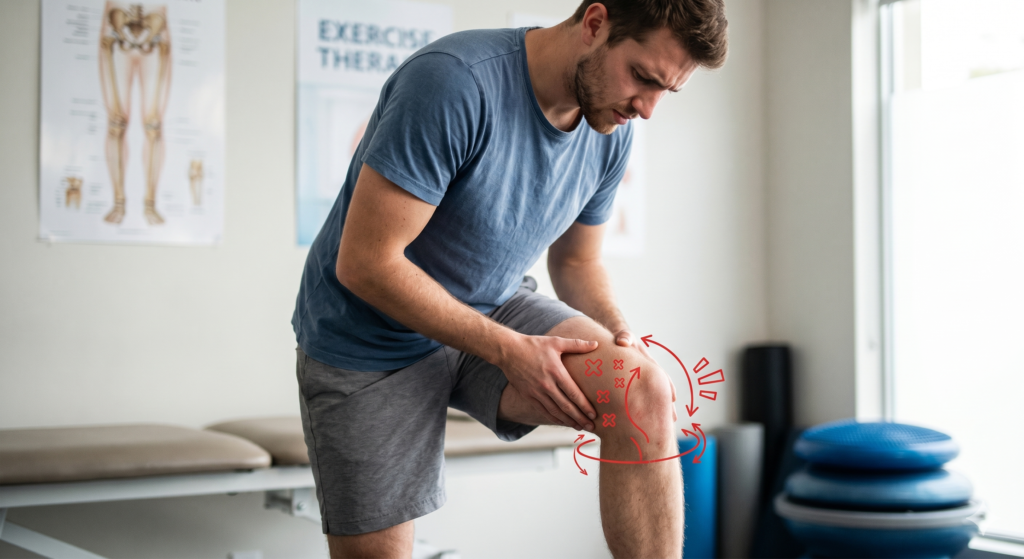
Why Trigger Points and Tightness Matter
Overuse, repetitive movement, training demands, and poor muscle recovery can cause tightness and trigger points to develop in the VMO and surrounding muscles.
Tight muscles may:
• restrict movement
• reduce muscle function
• affect knee mechanics
• increase compensation patterns during activity
Addressing built-up tension may help improve movement quality and muscle performance.
At-Home Recovery Options
Athletes can use recovery tools at home to help reduce muscle tension and improve mobility.
This may include:
• lacrosse ball release
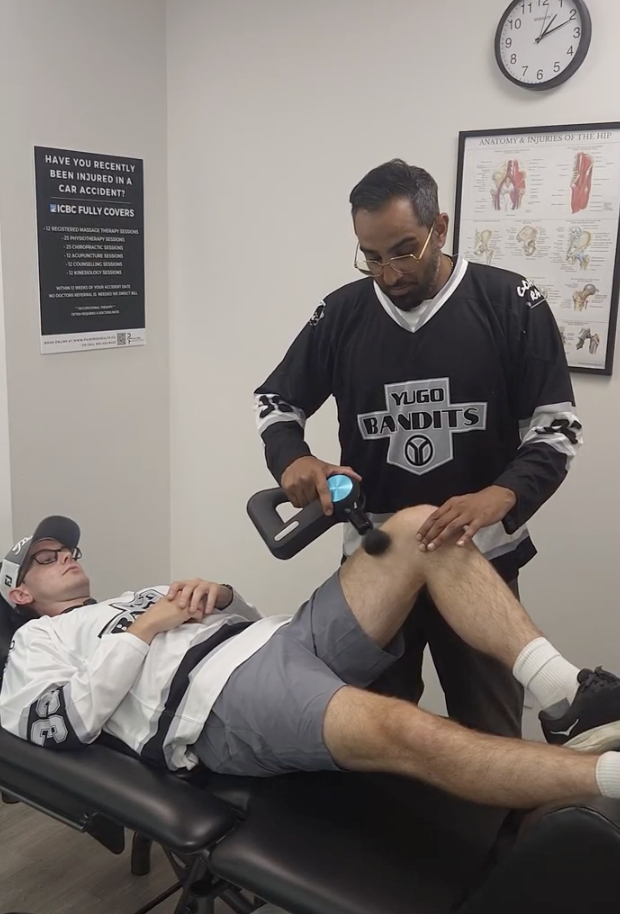
• massage gun therapy
• mobility and soft tissue work
These recovery techniques may help keep the muscles healthier and moving more efficiently between training and competition.
In-Clinic Treatment Options
Depending on the athlete’s condition and movement needs, treatment may include:
• dry needling
• soft tissue therapy
• mobility-focused treatment
• recovery-based care
These approaches may help reduce tension, improve muscle function, and support recovery.
Why Recovery Matters for Athletes
Recovery is not separate from performance—it supports performance.
Strong and mobile muscles help the body:
• move more efficiently
• stabilize joints properly
• reduce unnecessary stress during movement
• tolerate training and sport demands better
Taking care of knee stability and muscle health may help athletes continue performing while reducing injury risk over time.
Final Thoughts
The VMO muscle plays a major role in knee support and movement control.
When this muscle becomes weak, tight, or overloaded, it may affect stability, movement quality, and overall knee health.
Improving mobility, strength, and recovery may help athletes move better and reduce stress on the knees during activity.
Take the Next Step Toward Better Knee Stability
If you’re dealing with knee instability, tightness, or recurring discomfort during sports and training, our team is here to help.
Pain Free Health Clinic provides services in:
Richmond
Ladner
Surrey
Langley
Book your assessment today and support your movement and recovery.
See Athlete Recovery in Action
Want to see how mobility work, recovery techniques, and treatment help support knee stability and athletic performance?
Follow Pain Free Health Clinic on YouTube, Instagram, Facebook, and TikTok for more athlete recovery, rehab, and movement content.


