Learn what an Achilles tendon rupture is, what causes it, common symptoms to watch for, and how physiotherapy can support recovery after an Achilles injury.
What Is an Achilles Tendon Rupture?
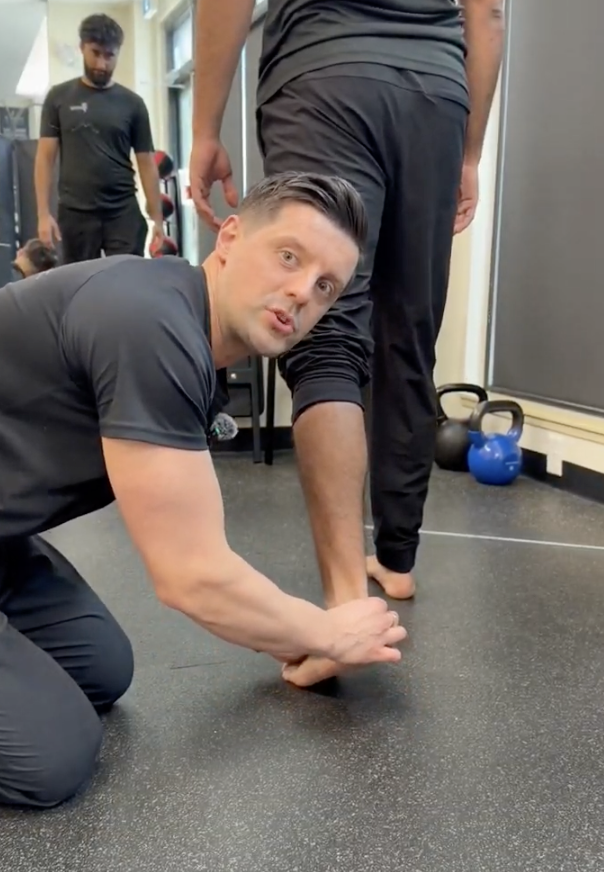
Have you ever wondered what an Achilles tendon rupture looks like?
The Achilles tendon is the strong band of tissue that connects your calf muscles to your heel bone. It plays an essential role in walking, running, jumping, and pushing off the ground. Because it handles so much force during movement, it can be vulnerable to injury when placed under excessive stress.
Understanding how an Achilles tendon rupture happens and recognizing the symptoms early can help you seek the right care and begin the recovery process sooner.
What Does the Achilles Tendon Do?
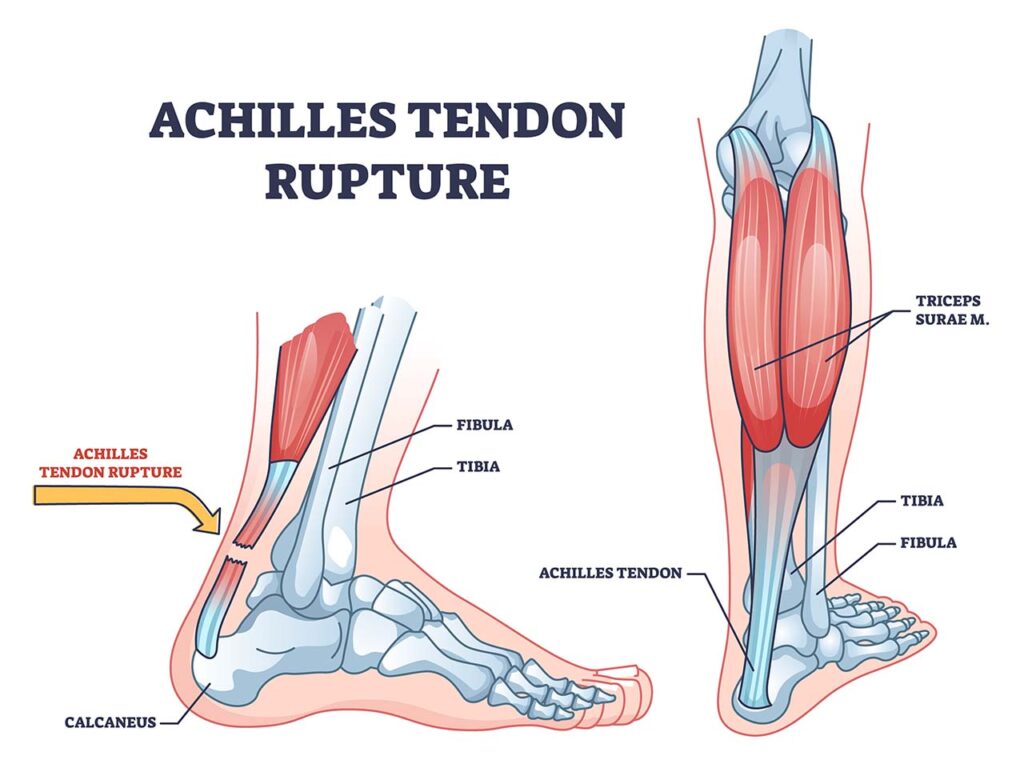
The Achilles tendon is located at the back of the lower leg, connecting the calf muscles to the calcaneus (heel bone).
Every step you take relies on this tendon to help you:
When the tendon is injured, these everyday movements can become painful and difficult.
What Is an Achilles Tendon Rupture?
An Achilles tendon rupture is a complete tear of the tendon. This injury commonly occurs when the tendon experiences a sudden, excessive force, often during explosive movements such as sprinting, jumping, or rapidly changing direction.
Although athletes are at higher risk, Achilles tendon ruptures can also occur during recreational sports or other physically demanding activities.
Common Signs and Symptoms
An Achilles tendon rupture often occurs suddenly and may be accompanied by a noticeable popping sensation.
Common symptoms include:
If you experience these symptoms, it's important to seek professional assessment as soon as possible.
How Is an Achilles Tendon Rupture Treated?
Treatment depends on several factors, including your age, activity level, overall health, and the severity of the injury. Some individuals may be managed conservatively with immobilization and rehabilitation, while others may require surgical repair.
Regardless of the treatment approach, rehabilitation plays an important role in restoring strength, mobility, balance, and confidence during movement.
How Physiotherapy Can Help
Physiotherapy is an essential part of recovery following an Achilles tendon rupture.
A rehabilitation program may help:
Recovery is gradual, and following a structured rehabilitation plan can help you safely progress through each stage of healing.
Take the Next Step Toward Achilles Tendon Recovery
If you've experienced sudden pain at the back of your ankle, difficulty walking, or think you may have injured your Achilles tendon, a professional assessment can help determine the severity of the injury and the most appropriate treatment plan.
Pain Free Health Clinic provides physiotherapy, rehabilitation, movement assessment, and recovery-focused care for Achilles tendon injuries and other lower limb conditions in:
📍 Richmond
📍 Ladner
📍 Surrey
📍 Langley
Watch an Achilles Tendon Rupture Up Close
Want to better understand what an Achilles tendon rupture looks like?
Watch this video to see the anatomy of the Achilles tendon, learn how a rupture can occur, and understand the common signs and symptoms associated with this injury.
Learn More About Foot, Ankle & Sports Injuries
Want more educational content about Achilles tendon injuries, sports rehabilitation, physiotherapy, movement, and injury prevention?
Follow Pain Free Health Clinic on YouTube, Instagram, Facebook, and TikTok for more educational content designed to help you move better and recover with confidence.


