Learn how lumbar erector release and self trigger point release may help manage low back muscle tightness, sensitivity, and discomfort and support more comfortable movement.
Low Back Tightness? 2 Ways to Target the Lumbar Erector Muscles
That persistent “tight” feeling in your low back may sometimes involve the muscles running along either side of your spine.
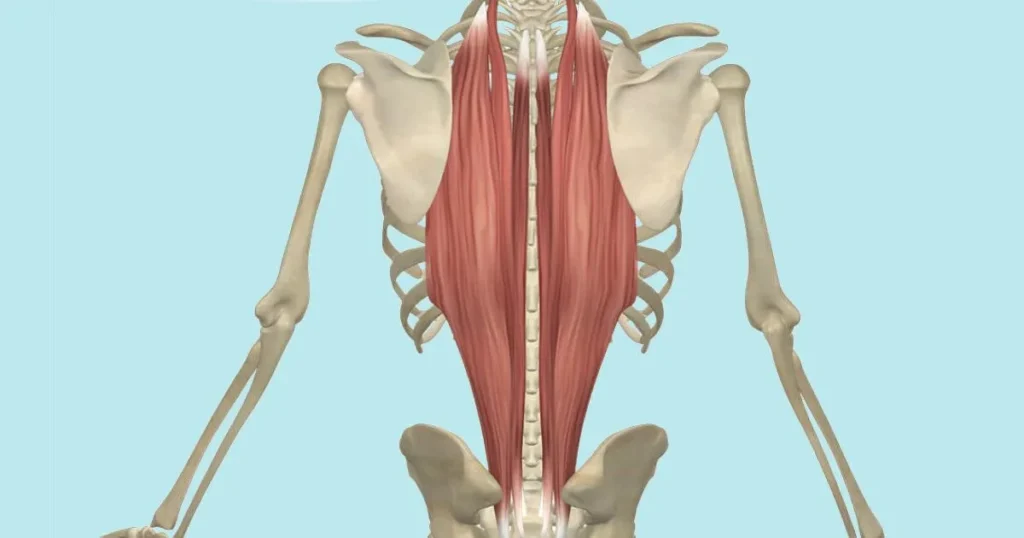
The lumbar erectors, which are part of the paraspinal muscle group, help support and control your spine during everyday activities such as standing, bending, lifting, and changing positions.
When these muscles feel tense or sensitive, targeted pressure techniques such as lumbar erector release and self trigger point release may be used to help manage symptoms and make movement feel more comfortable.
What Are the Lumbar Erector Muscles?
The lumbar erectors are part of a larger group of muscles that run along the back of the spine.
These muscles play an important role in supporting the trunk and controlling movement. They work during many activities throughout the day, including maintaining an upright position, bending, lifting, and returning to standing.
Like other muscles, the lumbar erectors may sometimes feel tight, tender, or sensitive.
What Is a Lumbar Erector Release?
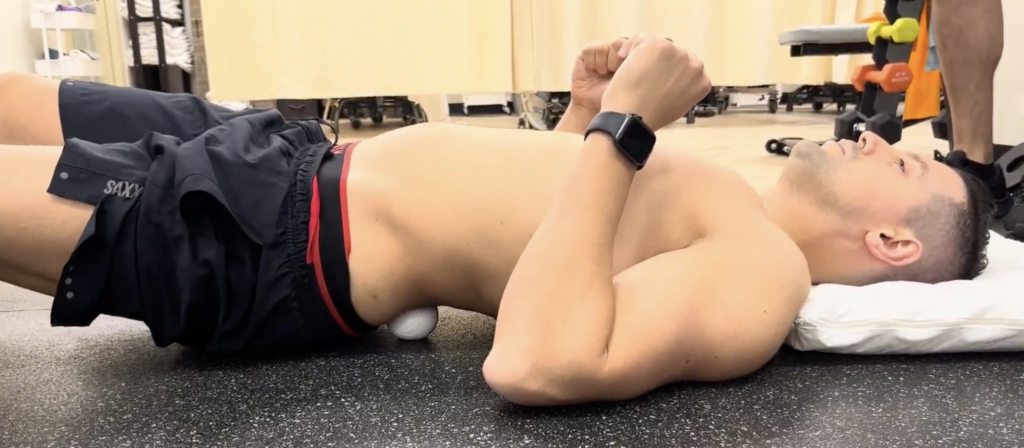
A lumbar erector release uses controlled, targeted pressure along the muscles beside the spine.
Rather than applying pressure directly over the spine itself, the technique focuses on the surrounding muscular area.
For some individuals, targeted pressure may help temporarily manage:
The amount and location of pressure should be based on the individual's comfort and symptoms.
What Is Self Trigger Point Release for the Low Back?
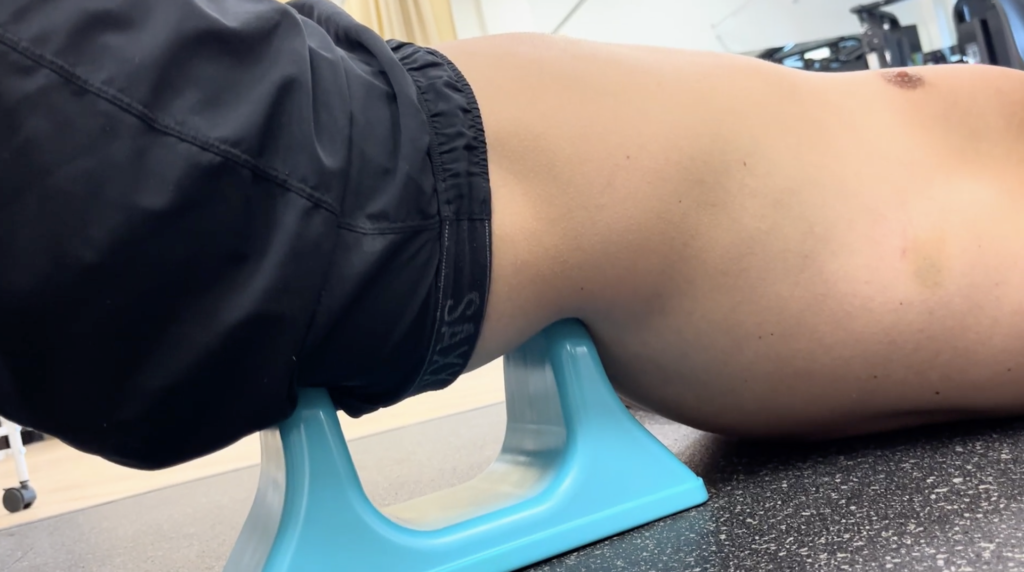
Self trigger point release, or self TPR, uses more focused pressure on a specific sensitive muscular area.
Instead of repeatedly moving over a larger area, pressure is applied to a particular spot and maintained at a comfortable level.
A simple approach is:
Find → Hold → Breathe
Find a sensitive muscular area, apply comfortable pressure, hold, and continue breathing normally.
The goal isn't to use as much pressure as possible or force the area to “release.” More pressure isn't necessarily better.
Which Technique Should You Use?
Lumbar erector release and self trigger point release both use targeted pressure, but they focus on the muscles differently.
Lumbar Erector Release applies controlled pressure across an area of the lumbar erector muscles and may be useful when tension or sensitivity feels more widespread.
Self Trigger Point Release uses more focused pressure and may be used when there is a specific sensitive muscular area you want to target.
Neither technique should be viewed as a complete solution for every type of low back pain or tightness.
Why Does Low Back Tightness Keep Coming Back?
Persistent low back tightness can have different contributing factors, and the muscles that feel tight aren't necessarily the only factor involved.
Depending on your individual needs, a rehabilitation program may also include:
If your low back repeatedly feels tight despite temporary relief from stretching, rolling, or self-release techniques, an assessment can help determine what may be contributing to the problem.
Need Help with Persistent Low Back Tightness or Pain?
If low back tightness, muscle sensitivity, or pain keeps returning or is affecting your work, exercise, or everyday movement, a physiotherapy assessment can help identify what's contributing to your symptoms and guide an appropriate rehabilitation plan.
📍 Richmond
📍 Ladner
📍 Surrey
📍 Langley
Watch the Video
Watch the video above to see two ways to target the lumbar erector muscles, including targeted lumbar erector release and self trigger point release, and learn how these techniques may be incorporated into a broader low back rehabilitation plan.
Learn More About Low Back Pain and Physiotherapy
Follow Pain Free Health Clinic on YouTube, Instagram, Facebook, and TikTok for more educational content on low back pain, low back tightness, lumbar erectors, paraspinal muscles, trigger point release, physiotherapy, back rehabilitation, mobility, and strengthening to help you move with confidence.


