Learn three glute bridge progressions that help improve hip strength, stability, and control for everyday movement, rehabilitation, and sports.
Glute Bridges Getting Too Easy? Try These Progressions
The glute bridge is one of the most common exercises used to strengthen the hips and improve lower-body function. But as your strength improves, continuing with the same exercise may no longer provide enough challenge.
Progressing your exercises is an important part of building strength, improving stability, and continuing to make progress throughout your rehabilitation or fitness journey.
Here are three glute bridge progressions that can help take your hip strength to the next level.
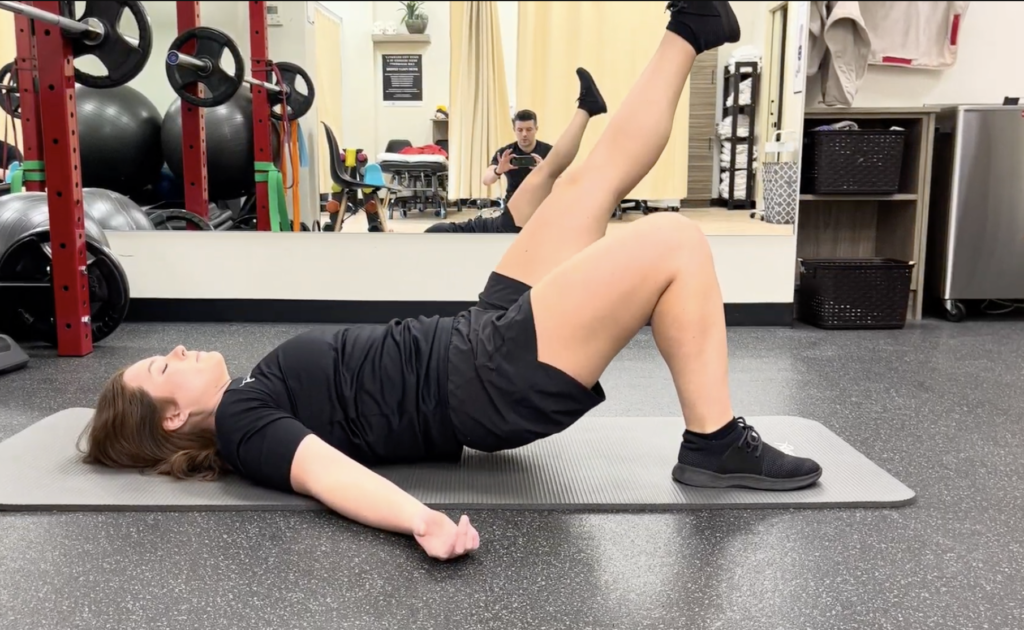
1. Single-Leg Glute Bridge
The Single-Leg Glute Bridge increases the challenge by having one leg perform the work while the other remains off the ground.
This variation may help:
Because each leg works independently, this exercise encourages better control and stability throughout the hips and pelvis.
2. Glute Bridge Walkout
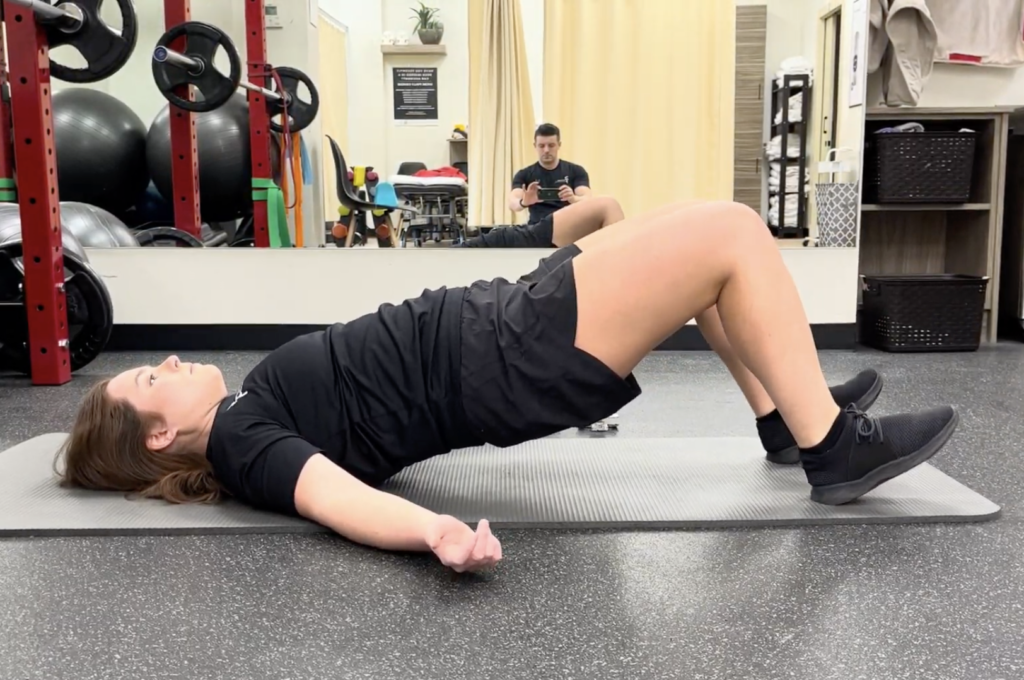
Once you're comfortable with the single-leg variation, the Glute Bridge Walkout introduces a greater challenge for the glutes, hamstrings, and core.
By slowly walking your feet away from your body while keeping your hips elevated, your muscles work harder to maintain pelvic stability throughout the movement.
This progression may help:
3. Glute Bridge with Single-Leg Hold
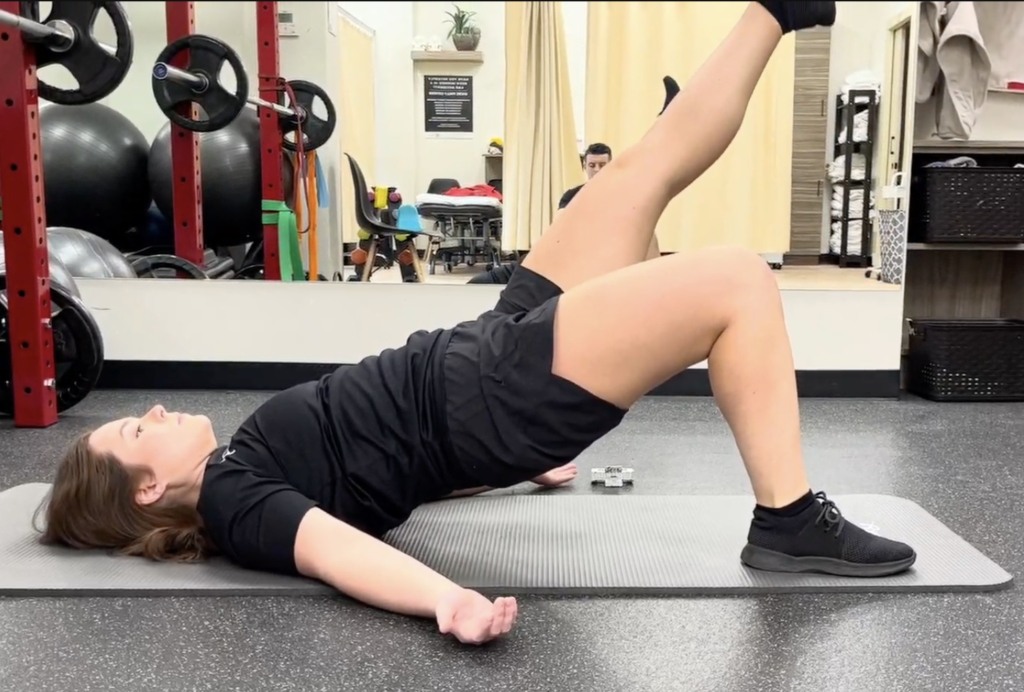
The Glute Bridge with Single-Leg Hold focuses on maintaining a stable pelvis while balancing on one leg.
Rather than emphasizing movement, this exercise challenges your muscles to stabilize the hip throughout the hold.
It may help:
Why Exercise Progressions Matter
As your body adapts to an exercise, gradually increasing the challenge helps you continue building strength and improving function.
These progressions may help:
The right progression depends on your individual strength, mobility, injury history, and rehabilitation goals. Advancing too quickly or performing exercises beyond your current ability may increase your risk of compensation or discomfort.
Need Help Building Stronger Hips?
If you're recovering from an injury, experiencing hip or lower back pain, or looking to improve your movement, our team can assess your strength, identify contributing factors, and create a personalized rehabilitation program that's appropriate for your goals.
📍 Richmond
📍 Ladner
📍 Surrey
📍 Langley
Watch the Video
Watch the video above to learn three glute bridge progressions that help improve hip strength, stability, and movement control as your rehabilitation or strength program progresses.
Learn More About Hip Strength and Rehabilitation
Follow Pain Free Health Clinic on YouTube, Instagram, Facebook, and TikTok for more educational content on hip strengthening, glute exercises, physiotherapy, rehabilitation, injury prevention, mobility, and healthy movement to help you stay active and move with confidence.


