Learn the difference between static and dynamic cupping therapy, what each technique may be used for, and how cupping may support pain management, muscle tension, mobility, and rehabilitation.
Static vs. Dynamic Cupping: What’s the Difference?
Cupping therapy isn't always performed the same way. Two common approaches are static cupping and dynamic cupping, and the difference goes beyond whether the cups stay still or move.
Depending on your symptoms, movement restrictions, assessment findings, and rehabilitation goals, your clinician may choose one approach or incorporate both into your treatment plan.
What Is Static Cupping?
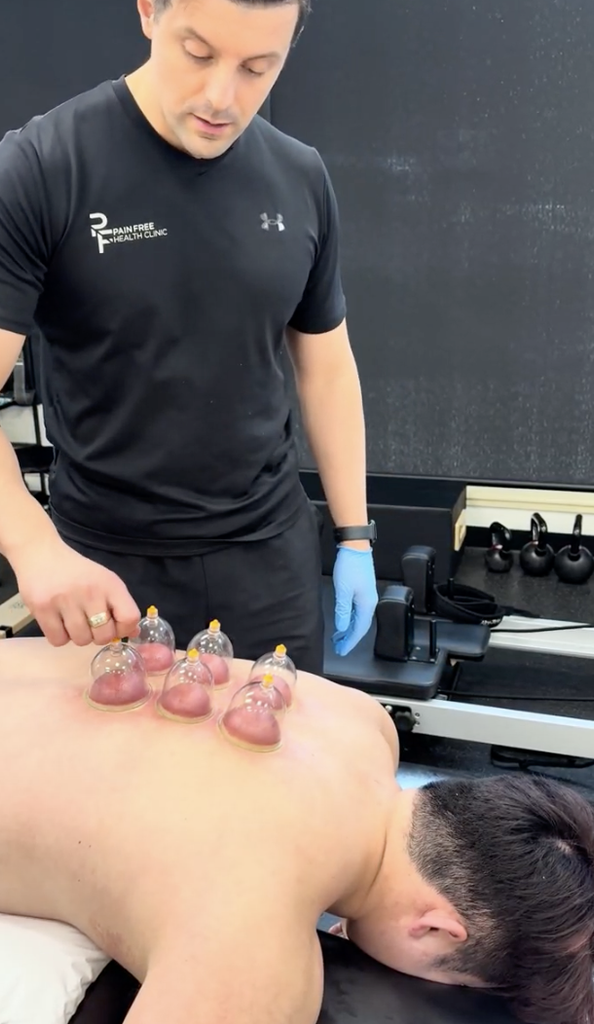
Static cupping involves placing cups over a targeted area and maintaining suction in that location for a period of time.
Because the treatment remains focused on a specific region, static cupping may be considered when treatment is targeting:
Static or dry cupping has been studied for several types of musculoskeletal pain, including chronic neck and nonspecific low-back pain. However, the overall quality of evidence varies, and cupping should not be viewed as a standalone solution for every condition.
What Is Dynamic Cupping?
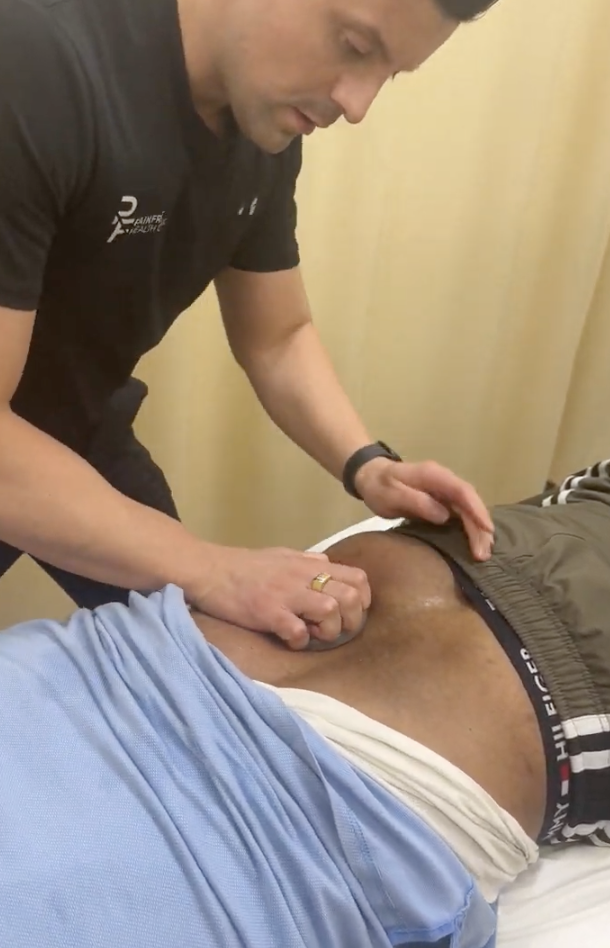
Dynamic cupping combines suction with movement.
Depending on the technique, the clinician may move the cup across the tissue, or the patient may perform movement while suction is maintained.
This allows treatment to incorporate a larger area and may make dynamic cupping particularly relevant when the goal involves:
Research has investigated moving cupping for range of motion in areas including the hip, knee, ankle, and shoulder. Some studies have reported promising short-term improvements, although the evidence is still developing.
Static vs. Dynamic Cupping: Which One Should You Choose?
There isn't one type of cupping that's automatically better than the other.
Static cupping may be considered when:
Dynamic cupping may be considered when:
These aren't strict rules. Research directly comparing static and dynamic cupping remains limited, and treatment selection should be based on the individual rather than the technique alone.
Can Static and Dynamic Cupping Be Used Together?
Yes. Depending on your assessment and treatment goals, a clinician may incorporate both static and dynamic cupping into the same rehabilitation plan.
Cupping may also be combined with:
The goal is to select treatments that support your overall rehabilitation rather than relying on cupping alone.
Is Cupping Therapy Right for You?
Cupping therapy isn't necessary or appropriate for every person experiencing pain or restricted movement.
Your clinician should first consider your symptoms, health history, movement limitations, sensitivity, and rehabilitation goals before determining whether cupping may be appropriate and which technique to use.
Dealing With Pain, Muscle Tension, or Limited Mobility?
If pain, muscle tension, or movement restrictions are affecting your daily activities, an assessment can help identify what's contributing to your symptoms and determine whether static cupping, dynamic cupping, or another treatment approach may be appropriate.
📍 Richmond
📍 Ladner
📍 Surrey
📍 Langley
Watch the Video
Watch the video above to see the difference between static and dynamic cupping therapy and how each technique may be incorporated depending on the treatment goal.
Learn More About Cupping Therapy and Rehabilitation
Follow Pain Free Health Clinic on YouTube, Instagram, Facebook, and TikTok for more educational content on cupping therapy, static cupping, dynamic cupping, muscle tension, mobility, pain management, physiotherapy, and rehabilitation to help you move with confidence.


