Learn how physiotherapy and therapeutic taping may help manage acute low back and hip pain, improve movement, and support recovery. Visit Pain Free Health in BC.
Low back pain and hip pain are two common reasons people seek physiotherapy. When symptoms are acute, everyday activities such as sitting, walking, bending, lifting, working and even getting out of bed can become uncomfortable.
At Pain Free Health, our physiotherapists assess the potential causes of your low back or hip pain and develop an individualized treatment plan designed to help reduce symptoms, restore movement and get you back to your normal activities.
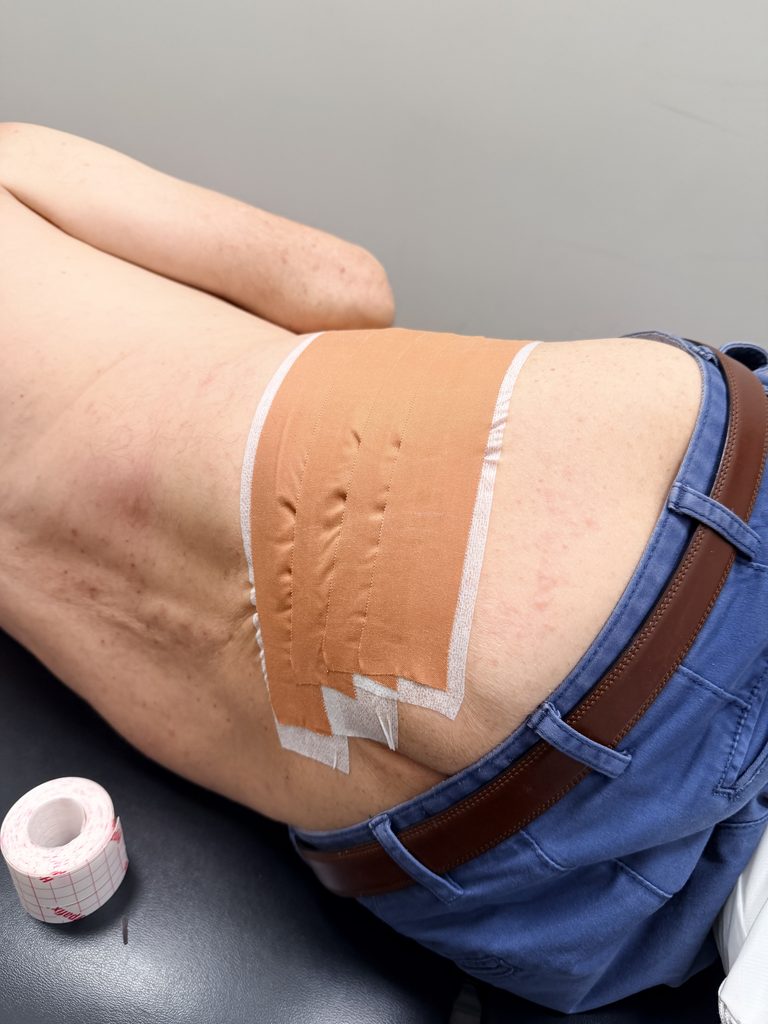
One technique our physiotherapists may incorporate following treatment is therapeutic taping.
How Can Physiotherapy Help Low Back Pain?
Low back pain can have many different contributing factors, which means there isn't one treatment that works for everyone.
A physiotherapy assessment may look at:
Based on the findings, your physiotherapist can develop an appropriate treatment and rehabilitation program.
Depending on your presentation, treatment may incorporate manual therapy, IMS/dry needling, therapeutic exercise, mobility work, strengthening, education and therapeutic taping.
Why Do Physiotherapists Use Taping for Low Back Pain?
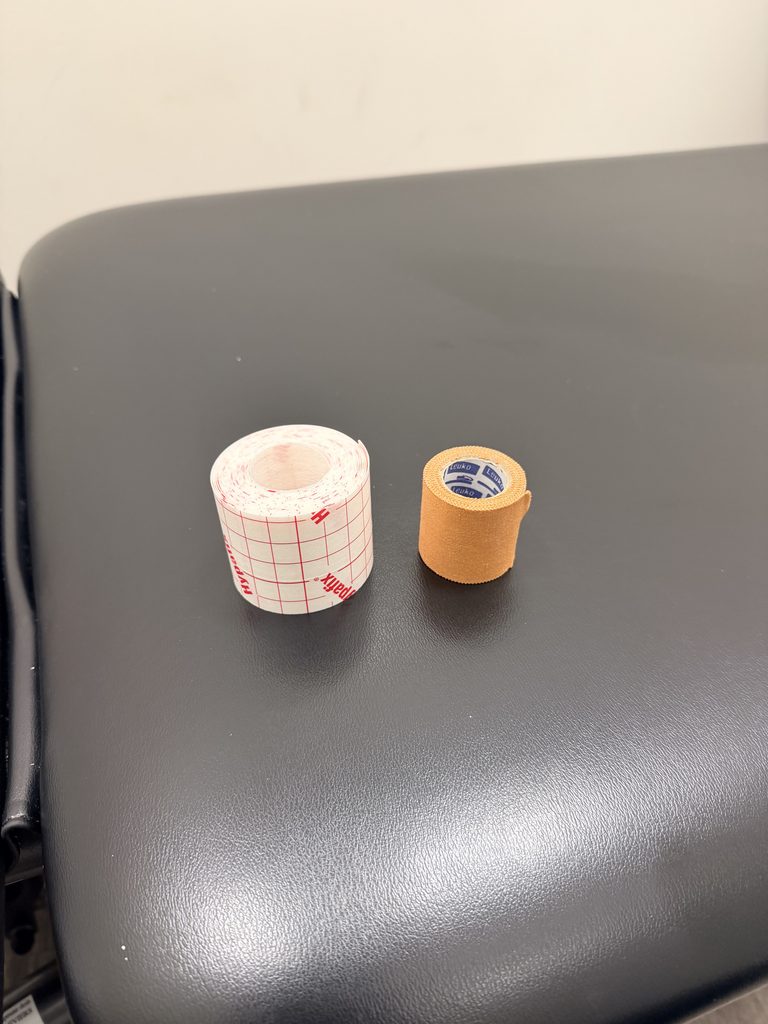
Therapeutic taping can be used as an adjunct to physiotherapy treatment.
For some patients experiencing acute low back pain, taping may provide additional sensory feedback and a feeling of support during movement.
This can be particularly useful when returning to activities such as walking, sitting, bending or working after treatment.
However, taping is generally not intended to be a stand-alone solution.
At Pain Free Health, our goal is to combine symptom management with active rehabilitation so patients can progressively restore their mobility, strength and confidence.
Can Physiotherapy Help Hip Pain?
Yes. Physiotherapy is commonly used in the assessment and management of many types of hip-related pain.
The important part is determining why the hip hurts.
Two people experiencing pain in the same area may have very different contributing factors and therefore require different treatment approaches.
A physiotherapist can assess the hip, pelvis, lower back, strength, mobility and movement patterns to determine an appropriate rehabilitation strategy.
When indicated, therapeutic taping around the hip, pelvis or lower back may be incorporated alongside exercise and other physiotherapy treatments.
Is Taping Enough to Treat Back or Hip Pain?
Usually, taping should be viewed as one component of a broader rehabilitation program rather than the entire treatment.
While tape may provide temporary support or help some patients feel more comfortable moving, long-term rehabilitation often involves progressively restoring:
Mobility → Strength → Movement Confidence → Functional Capacity
Ultimately, we want patients to become stronger and more confident without needing to rely on passive treatments.
Individualized Back & Hip Pain Treatment at Pain Free Health
At Pain Free Health, we don't believe every patient with low back pain should receive the same treatment.
Our physiotherapists consider your symptoms, movement, strength, lifestyle, occupation and functional goals when developing your treatment plan.
Depending on your assessment, your physiotherapy program may include:
Manual Therapy – helping address painful or restricted movement.
IMS/Dry Needling – when clinically appropriate for muscular pain and sensitivity.
Therapeutic Exercise – restoring mobility, strength and physical capacity.
Therapeutic Taping – providing temporary support or sensory feedback when appropriate.
Education & Activity Modification – helping you understand what you can safely continue doing while recovering.
Progressive Rehabilitation – gradually returning you to work, exercise, sport and everyday activities.
Looking for a Physiotherapist for Low Back or Hip Pain?
If low back or hip pain is limiting your ability to work, exercise, sleep or perform your normal daily activities, consider having the problem properly assessed.
Pain Free Health provides physiotherapy and multidisciplinary rehabilitation across several locations in British Columbia, including South Surrey, Langley, Richmond and Ladner/Delta.
Our goal isn't simply to reduce pain temporarily.
It's to help you understand the problem, restore your movement and build the capacity you need to get back to your life.
Book a Physiotherapy Assessment
Experiencing low back pain or hip pain?
Book an assessment with a Pain Free Health physiotherapist and find out which treatment and rehabilitation approach is appropriate for you.
Pain Free Health
Movement is Medicine.


