Learn how back acupressure uses targeted pressure, how it may help with low back pain, movement comfort and relaxation, and why pressure should be individualized as part of a broader recovery plan.
Why Are They Pressing There When Your Back Hurts?
When your back hurts, you might expect treatment to focus directly on the exact area where you feel pain.
But with acupressure, treatment isn't simply about pressing wherever it hurts.
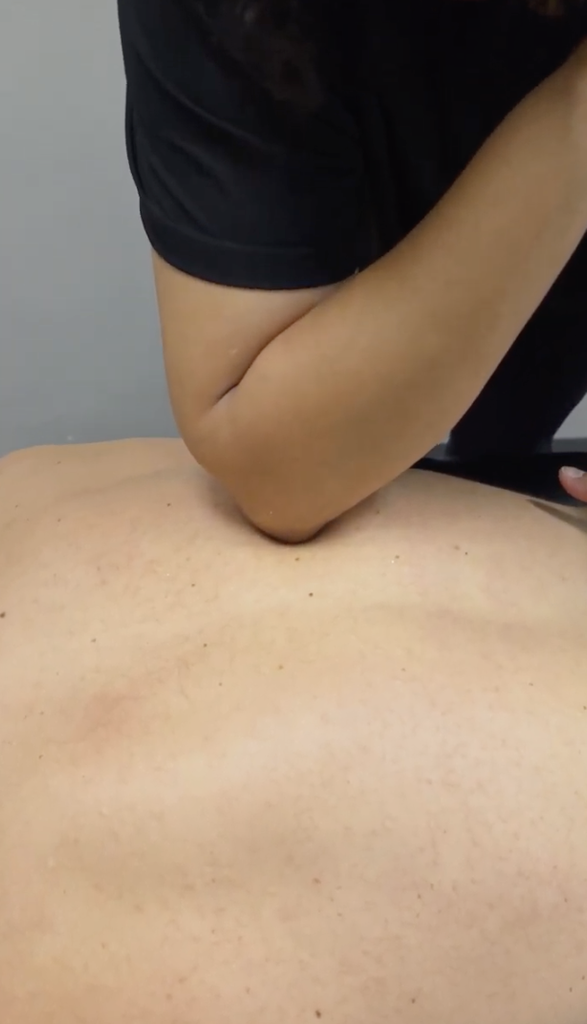
Acupressure involves applying controlled pressure to specific points on the body as a non-invasive treatment technique. For some people with low-back pain, it may help reduce pain and make movement feel more comfortable.
What Is Acupressure?
Acupressure uses targeted, controlled pressure applied to specific points on the body.
Unlike techniques that use needles, acupressure is non-invasive. The amount and location of pressure can also vary depending on the individual and their needs.
The goal isn't simply to press harder or directly on the most painful area.
It's pressure with a purpose.
How Can Acupressure Help with Low Back Pain?
Research on chronic low-back pain suggests that acupressure may provide benefits for some people.
Potential benefits may include:
Clinical trials and systematic reviews have found reductions in pain and improvements in disability or function among some people with chronic low-back pain.
One systematic review of six randomized trials also reported improvements in pain, disability and sleep, although larger, higher-quality studies are still needed.
Does More Pressure Mean Better Results?
No. More pressure doesn't necessarily mean better results.
Acupressure doesn't work by simply “pushing the pain away.”
The amount and location of pressure should be appropriate for the individual. Applying more force isn't automatically more effective, and treatment should be selected based on the person's presentation and needs.
Is Acupressure a Complete Treatment for Back Pain?
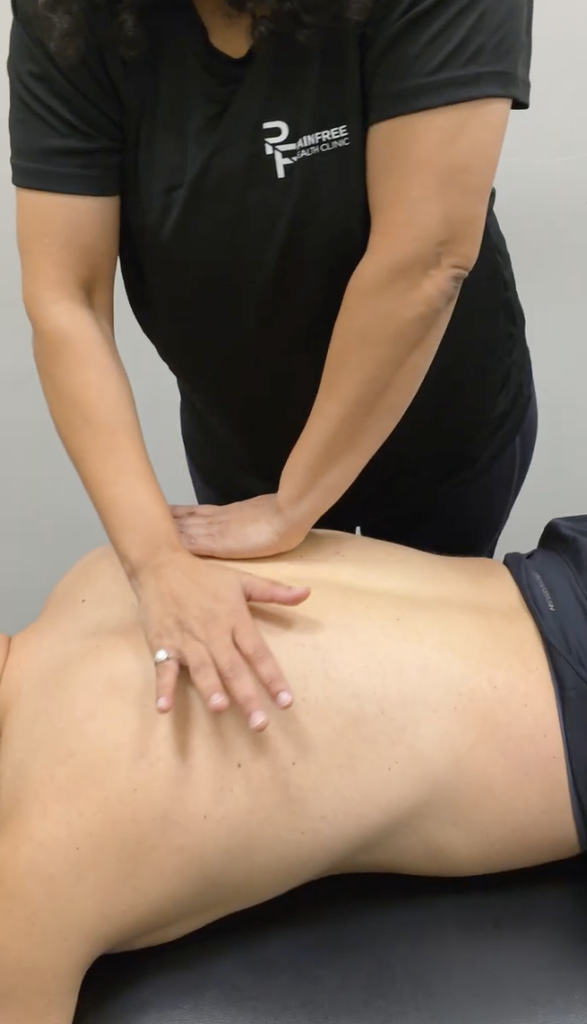
Acupressure may be one tool in a bigger recovery plan.
Like other treatment techniques, it can be used alongside:
The overall evidence around acupressure and chronic low-back pain is encouraging, but researchers also note limitations in study quality.
This is why treatment should be individualized rather than assuming that the same technique is appropriate for every person experiencing back pain.
Pressure With a Purpose
When you see a clinician applying pressure to specific points, they aren't necessarily trying to press directly where it hurts or simply use as much pressure as possible.
Acupressure = targeted pressure.
For some people with low-back pain, it may help reduce pain sensitivity, improve comfort with movement and support relaxation.
Most importantly, acupressure should be selected based on the individual and can be incorporated as one part of a broader approach to recovery.
Need Help with Low Back Pain?
If you're experiencing ongoing low back pain, stiffness, discomfort with movement, or difficulty returning to your normal activities, an assessment can help determine what may be contributing to your symptoms and which treatment approaches may be appropriate for you.
📍 Richmond
📍 Ladner
📍 Surrey
📍 Langley
Watch the Video
See how back acupressure uses controlled, targeted pressure and how it may be incorporated into a broader approach to low-back pain management and rehabilitation.
Learn More About Acupressure and Back Pain Rehabilitation
Follow Pain Free Health Clinic on YouTube, Instagram, Facebook, and TikTok for more educational content on acupressure, low back pain, back pain management, pain sensitivity, mobility, movement, physiotherapy, and rehabilitation to help you move with confidence.


