Explore six hip and back mobility techniques targeting the glutes, outer thigh, lumbar spine, hip flexors, QL, and thoracic spine to support comfortable everyday movement.
Want Your Hips and Back to Move Better? Try These 6 Mobility Techniques
Your hips and back work together through countless everyday movements—from walking and bending to reaching, exercising, and simply changing positions throughout the day.
A well-rounded mobility routine can give different areas around the hips, lumbar spine, glutes, and upper back focused attention. Depending on your individual needs, techniques such as trigger point work, foam rolling, stretching, and controlled mobility exercises can be incorporated into your routine.
Here are six techniques that target different areas of the hips and back.
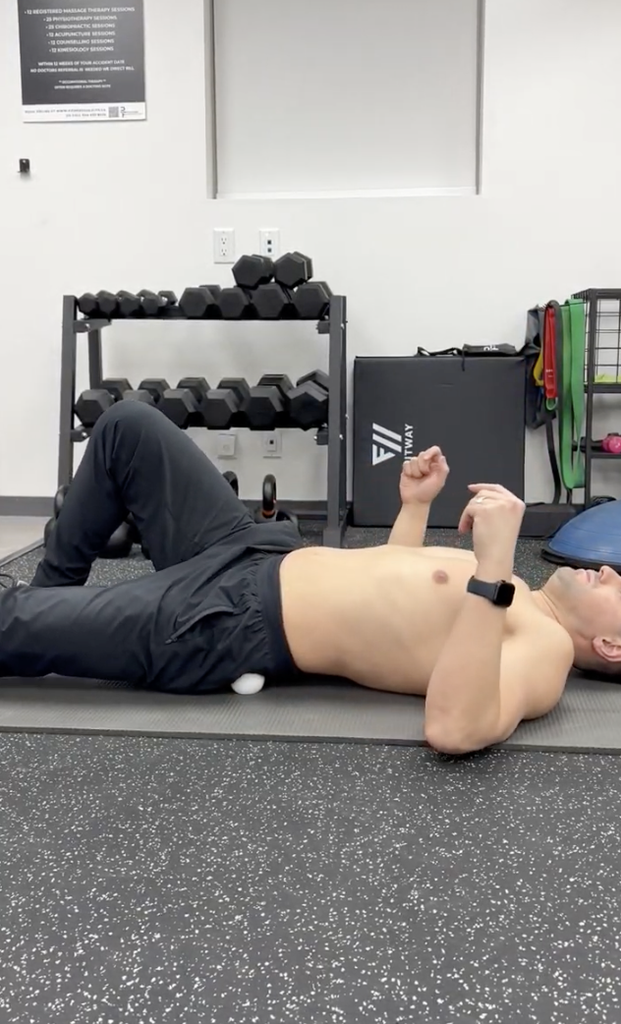
1. Glute Trigger Point with Ball
The gluteal muscles play an important role in hip movement and lower-body function.
Using a ball for targeted pressure provides focused contact to the glute muscles and may support short-term muscle comfort and mobility.
This technique can be incorporated alongside active mobility and strengthening exercises as part of a broader movement routine.
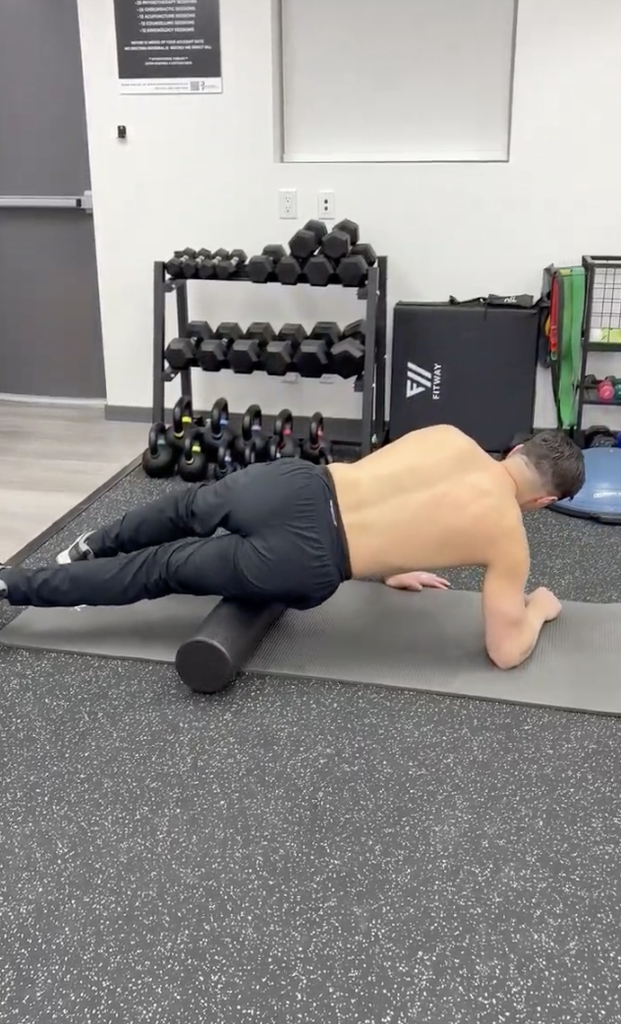
2. IT Band / Outer Thigh Foam Roll
Foam rolling along the outer thigh is commonly used as part of warm-up, cool-down, or recovery routines.
Foam rolling may help support short-term flexibility and post-activity recovery, making it one option for people looking to add mobility work around the lateral hip and thigh.
The goal is controlled, comfortable pressure rather than making the technique as intense as possible.
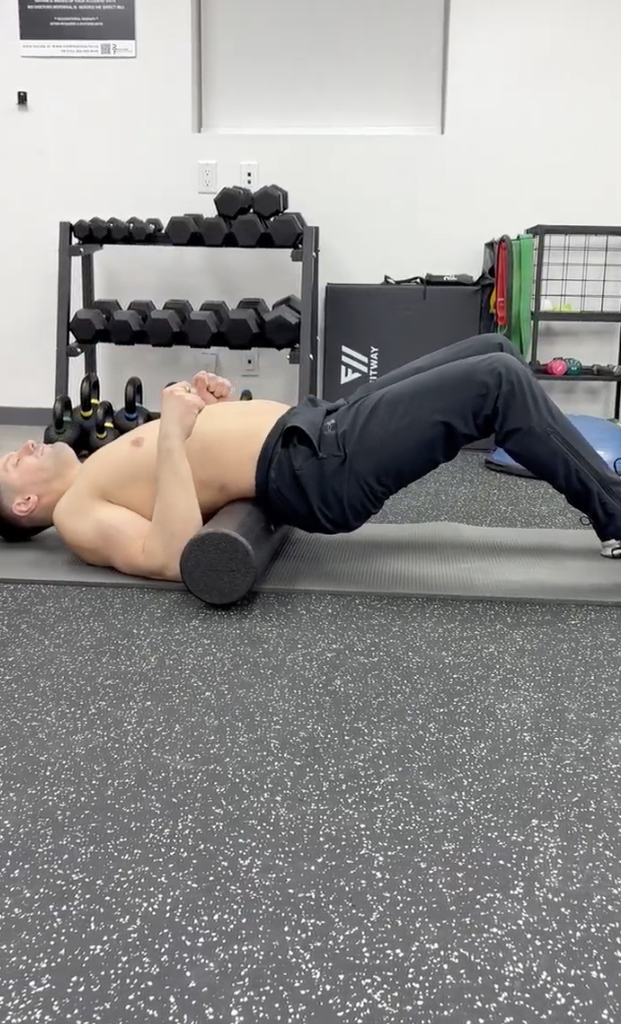
3. Lumbar Foam Roller Stretch
Your lumbar spine, or lower back, moves throughout everyday activities such as bending, walking, changing positions, and exercising.
A lumbar foam roller stretch introduces gentle movement through the lower-back region and can be incorporated into a mobility routine when appropriate.
Comfortable, controlled movement is the focus.
4. Psoas Trigger Point with Ball
The psoas is a deep muscle located toward the front of the hip and plays a role in hip movement.
Psoas-focused trigger point work provides targeted pressure to this region and may complement exercises designed to support comfortable hip mobility.
Because of the anatomy in this area, technique and positioning matter. A physiotherapist can help determine whether this type of mobility work is appropriate for you and show you how it should be performed.
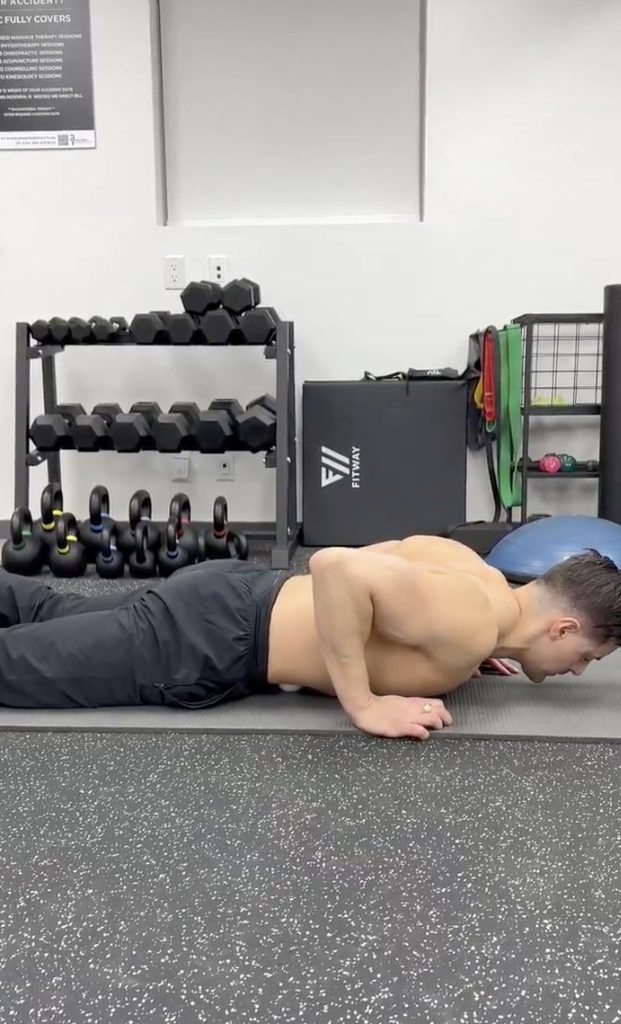
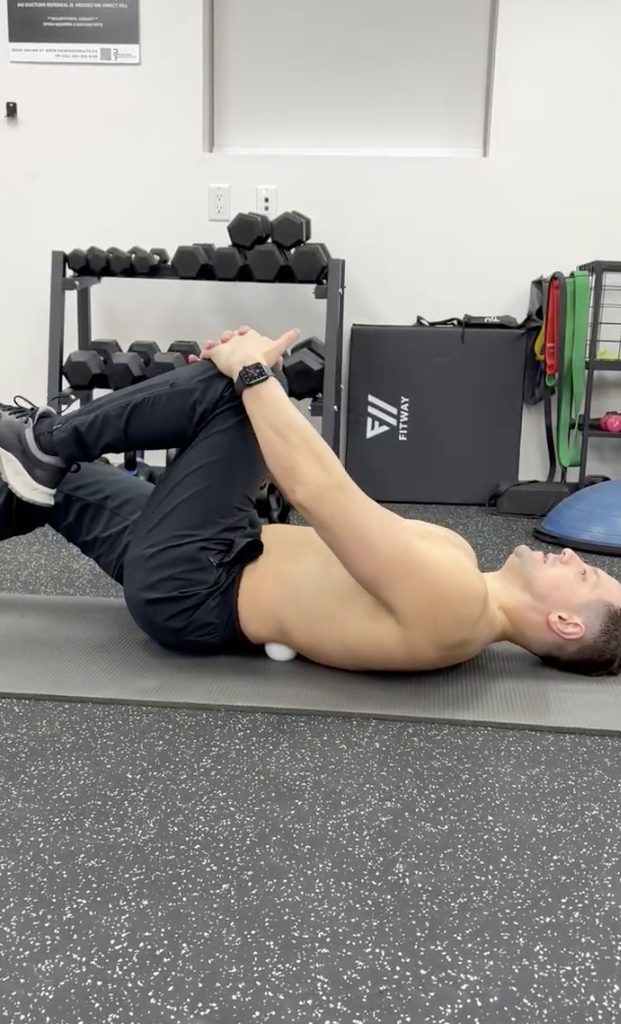
5. QL Trigger Point + Mobility
The quadratus lumborum, commonly called the QL, is located along the side of the lower back.
Combining targeted pressure with controlled movement provides another way to work on mobility and comfort around the lumbar region.
Rather than focusing on pressure alone, adding controlled movement can make this part of a more active mobility routine.
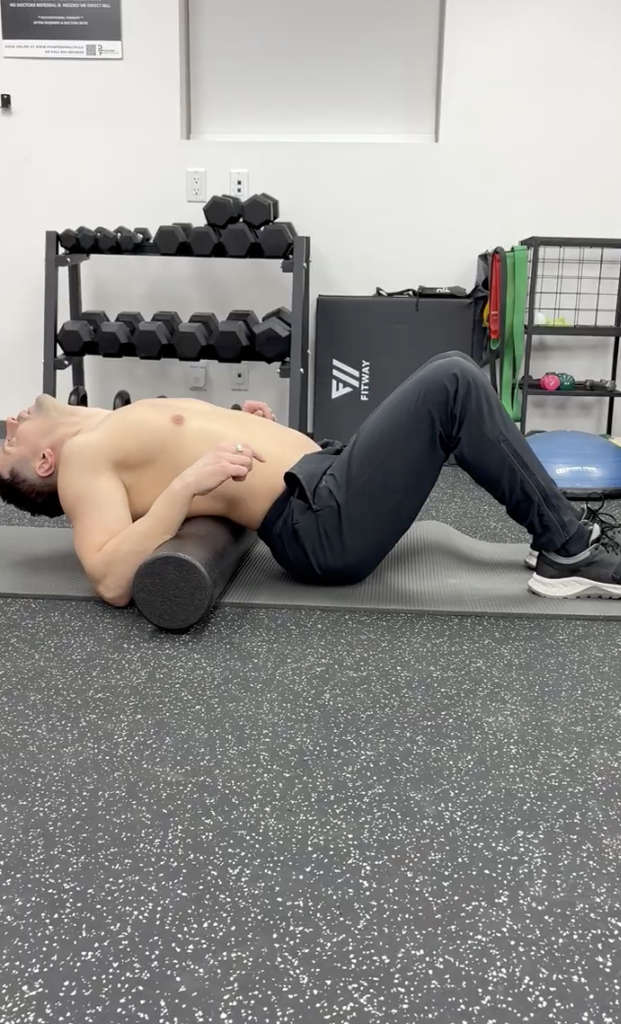
6. Thoracic Foam Roller Stretch
Hip and lower-back mobility doesn't mean we have to forget about the rest of the spine.
The thoracic spine makes up the mid-to-upper-back region and contributes to movements such as rotation, reaching, and extending through the upper body.
A thoracic foam roller stretch encourages comfortable movement through the mid and upper back and can complement hip and lumbar mobility work.
Why Use Different Mobility Techniques?
Each of these techniques focuses on a different area:
Together, they provide different ways to work on comfort, flexibility, and mobility across areas involved in everyday movement.
Your ideal mobility routine will depend on your current mobility, activities, symptoms, health history, and goals. Mobility work may also be combined with strengthening, exercise, and progressive rehabilitation when appropriate.
Need Help with Hip or Back Mobility?
If you want to improve your hip or back mobility but aren't sure which exercises or techniques fit your needs, a physiotherapy assessment can help identify where your movement may benefit from additional attention and guide an individualized approach.
📍 Richmond
📍 Ladner
📍 Surrey
📍 Langley
Watch the Video
Watch our video to see all six hip and back mobility techniques demonstrated, including trigger point work, foam rolling, and mobility exercises.
Follow Pain Free Health Clinic on YouTube, Instagram, Facebook, and TikTok for more educational content on hip mobility, back mobility, lumbar mobility, trigger point techniques, foam rolling, physiotherapy, mobility exercises, and active rehabilitation to help you move with confidence.


