Pain on the inside of your knee? Learn how the vastus medialis (VMO) affects knee stability and how dry needling helps reduce pain, improve tracking, and support recovery.
Inner Knee Pain? It Might Be This Muscle
Pain on the inside of your knee can show up when walking, squatting, or going up and down stairs. It can feel sharp, tight, or even unstable—and often, it keeps coming back.
Many people assume it’s a joint issue, but in many cases, the problem is coming from a key muscle that supports your knee: the vastus medialis, also known as the VMO.
This muscle plays a major role in how your knee moves and stays stable.
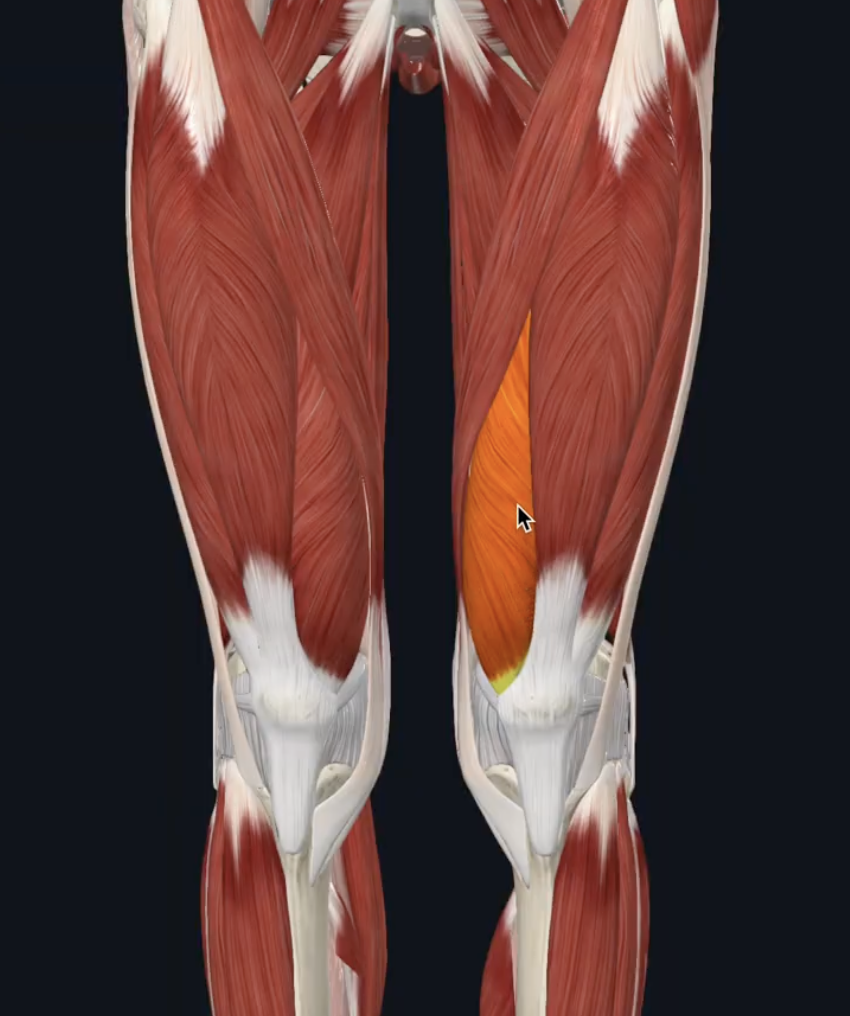
What Is the Vastus Medialis (VMO)?
The vastus medialis is part of your quadriceps muscle group, located on the inner part of your thigh just above the knee.
It plays an important role in:
• stabilizing the knee joint
• controlling kneecap (patella) tracking
• supporting smooth bending and straightening
• maintaining proper alignment during movement
When this muscle isn’t working properly, it can affect how your knee moves—and lead to pain.
Why the VMO Can Cause Inner Knee Pain
The VMO is especially important for keeping the kneecap moving in the right direction.
When it becomes weak, tight, or delayed in activation:
• the kneecap may not track properly
• extra stress is placed on the knee joint
• surrounding tissues become irritated
• movement becomes less efficient
This can lead to pain on the inside of the knee, especially during activities like walking, squatting, or climbing stairs.
Common Causes of VMO Dysfunction
Several factors can affect how the VMO functions:
• muscle imbalances in the quadriceps
• poor movement mechanics
• overuse or repetitive strain
• weakness in supporting muscles
• limited hip or knee mobility
These issues can cause the VMO to either become tight or not activate properly—both of which can contribute to pain.
Why This Pain Keeps Coming Back
Inner knee pain often returns when the underlying cause isn’t addressed.
If the VMO isn’t functioning properly:
• the knee continues to move inefficiently
• strain builds up over time
• symptoms may temporarily improve, then return
• simple rest or stretching may not be enough
That’s why targeting the source of the problem is important.
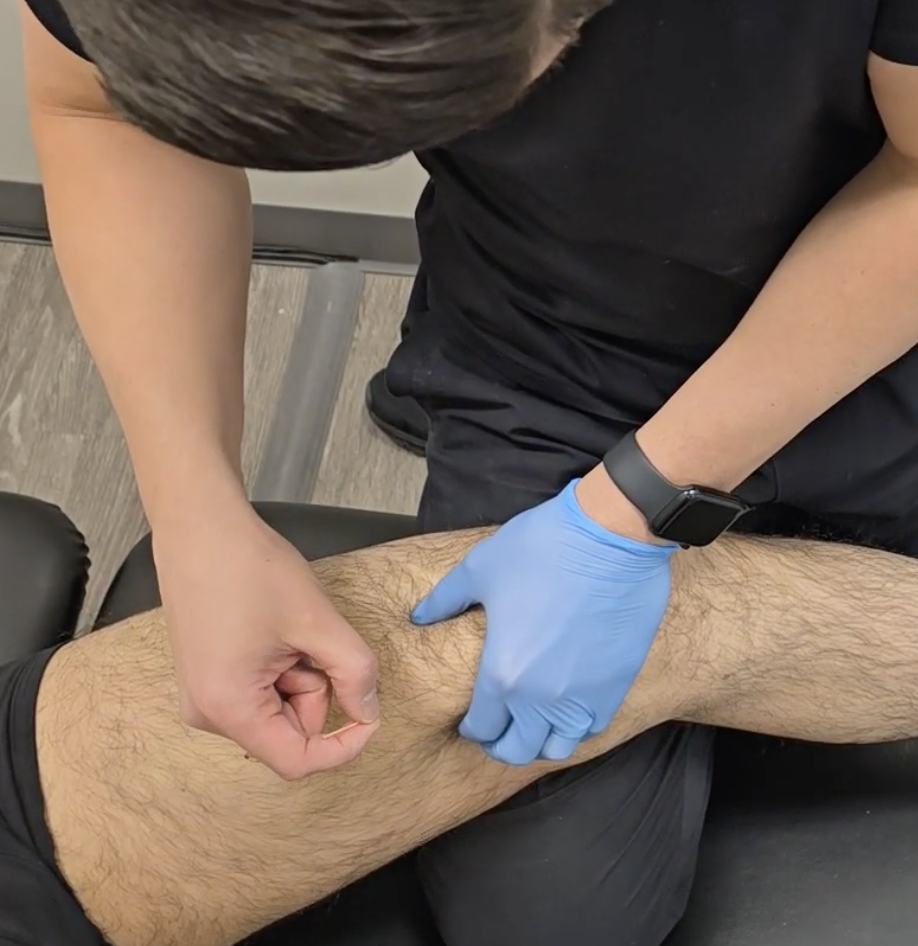
How Dry Needling Helps
Dry needling is a physiotherapy technique used to target tight or dysfunctional muscles directly.
When applied to the VMO, it may help:
• release tight muscle trigger points
• reduce pain and muscle tension
• improve muscle activation
• restore proper knee movement
By improving how the muscle functions, dry needling helps support better alignment and reduce stress on the knee.
Benefits of Treating the VMO
Addressing the VMO can improve how your knee feels and performs.
Treatment may help:
• reduce inner knee pain
• improve knee stability and control
• enhance kneecap tracking
• support smoother movement
• prevent recurring discomfort
Why a Proper Assessment Matters
Not all knee pain is caused by the same issue. Treating the wrong area can delay progress.
A proper assessment helps:
• identify if the VMO is involved
• assess movement and muscle activation
• determine contributing factors
• guide the most effective treatment plan
This ensures your treatment is targeted and effective.
Who Can Benefit From This Treatment?
This approach may help individuals experiencing:
• pain on the inside of the knee
• discomfort when walking or squatting
• knee instability or weakness
• pain when going up or down stairs
• recurring or activity-related knee pain
Final Thoughts
Inner knee pain is often linked to how your knee is supported and how your muscles function—not just the joint itself.
The vastus medialis (VMO) plays a key role in stability and movement. When it’s not working properly, it can lead to ongoing discomfort.
By identifying and treating the root cause, you can reduce pain, improve movement, and prevent the issue from returning.
Take the Next Step Toward Knee Pain Relief
If your knee pain isn’t improving or keeps coming back, it may be time to take a closer look.
At Pain Free Health Clinic, we assess the root cause and use targeted treatments like dry needling to help you move better and feel better.
Pain Free Health Clinic provides services in:
Richmond
Ladner
Surrey
Langley
Book your assessment today and start moving pain-free again.
Want to see how dry needling helps improve muscle function and reduce knee pain?
Watch our videos and learn how targeted physiotherapy treatments support recovery and movement.
Follow Pain Free Health Clinic on YouTube, Instagram, Facebook, and TikTok for more tips and treatment insights.


