Learn how a total knee replacement works, when it may be recommended for severe knee arthritis, and how rehabilitation can help support recovery and mobility.
Ever Wondered What a Total Knee Replacement Looks Like?
A total knee replacement is a common surgical procedure that may be recommended when severe arthritis causes significant damage to the knee joint.
As arthritis progresses, the smooth cartilage that cushions the knee can gradually wear away, leading to pain, stiffness, and difficulty performing everyday activities.
For some individuals, knee replacement surgery may help restore function and improve quality of life when conservative treatments are no longer providing enough relief.
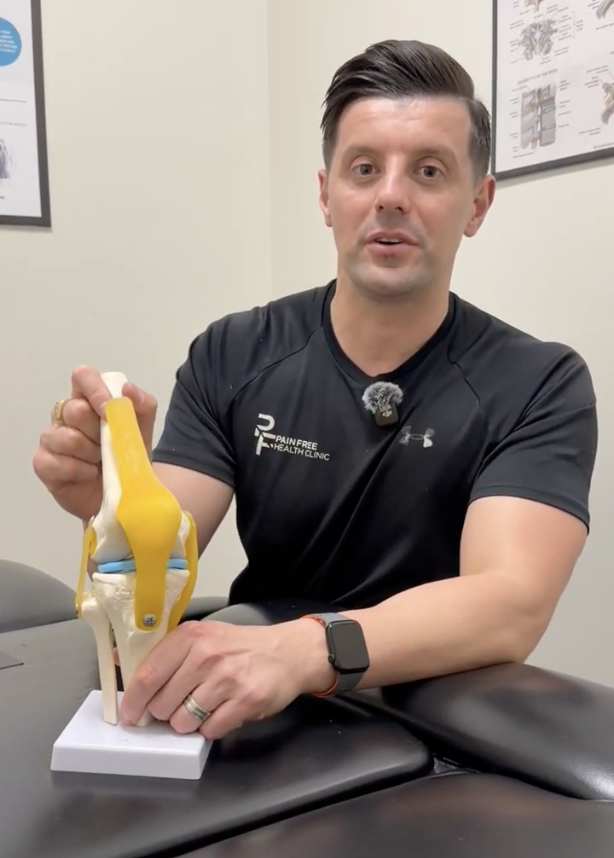
What Is a Total Knee Replacement?
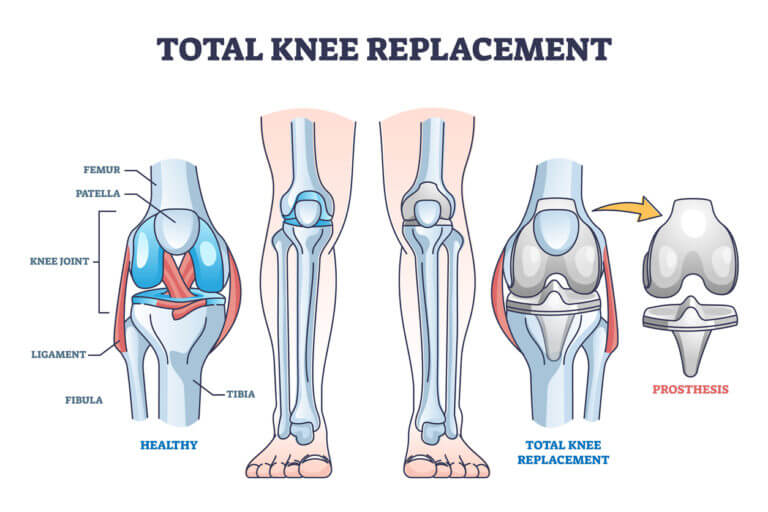
A total knee replacement is a procedure where damaged surfaces of the knee joint are removed and replaced with specialized implants.
The surgery involves preparing the femur (thigh bone) and tibia (shin bone) to receive metal components. A durable polyethylene (plastic) surface is then placed between the implants to help create smoother movement within the joint.
In some cases, the patella (kneecap) may also be resurfaced to improve joint function and comfort.
When Might a Knee Replacement Be Recommended?
A total knee replacement may be considered when severe arthritis significantly impacts daily activities and overall function.
Common symptoms may include:
• persistent knee pain
• joint stiffness
• swelling
• difficulty walking or standing for extended periods
• reduced mobility
• limitations during everyday activities
A healthcare professional can help determine whether surgery may be an appropriate option based on your symptoms, imaging, and overall health.
Potential Benefits of Knee Replacement Surgery
A total knee replacement may help:
• reduce knee pain
• improve mobility
• improve daily function
• increase walking tolerance
• support a better quality of life
While every recovery experience is unique, many patients experience meaningful improvements in function and comfort following surgery.
The Importance of Rehabilitation After Surgery
Surgery is only one part of the recovery process.
Physiotherapy often plays an important role in helping patients regain mobility, strength, and confidence after a knee replacement.
Rehabilitation may help:
• restore knee range of motion
• rebuild lower body strength
• improve walking mechanics
• improve balance and stability
• support a safe return to daily activities
Consistent rehabilitation can help patients achieve the best possible outcome following surgery.
Final Thoughts
A total knee replacement may be recommended when severe arthritis causes significant pain, stiffness, and loss of function within the knee joint.
Understanding how the procedure works can help make the treatment and recovery process feel less overwhelming.
Combined with proper rehabilitation, knee replacement surgery may help many individuals return to a more active and comfortable lifestyle.
Take the Next Step Toward Better Movement
If knee pain, stiffness, or difficulty with walking and daily activities is affecting your quality of life, a professional assessment can help identify what may be contributing to the problem.
Pain Free Health Clinic provides physiotherapy, rehabilitation, movement assessment, post-surgical recovery, and recovery-focused care in:
📍 Richmond
📍 Ladner
📍 Surrey
📍 Langley
Watch a Total Knee Replacement Procedure
Want to see what happens during a total knee replacement?
Watch the video above for a simple visual breakdown of the procedure and learn how damaged joint surfaces are replaced to help restore movement and function.
See More Knee Recovery & Rehabilitation Tips
Want more exercises and educational content for knee mobility, strength, recovery, and rehabilitation?
Follow Pain Free Health Clinic on YouTube, Instagram, Facebook, and TikTok for more movement, rehabilitation, and wellness content.


