Plantar fasciitis is one of the most common causes of heel pain, affecting people of all activity levels, from runners and athletes to individuals who spend long hours on their feet. While rest, stretching, and footwear changes can help, symptoms often become persistent or return without targeted treatment.
One therapy that has shown strong results for chronic plantar fasciitis is shockwave therapy. When used appropriately and combined with physiotherapy, it can significantly reduce pain and improve long-term recovery.
What Is Plantar Fasciitis?
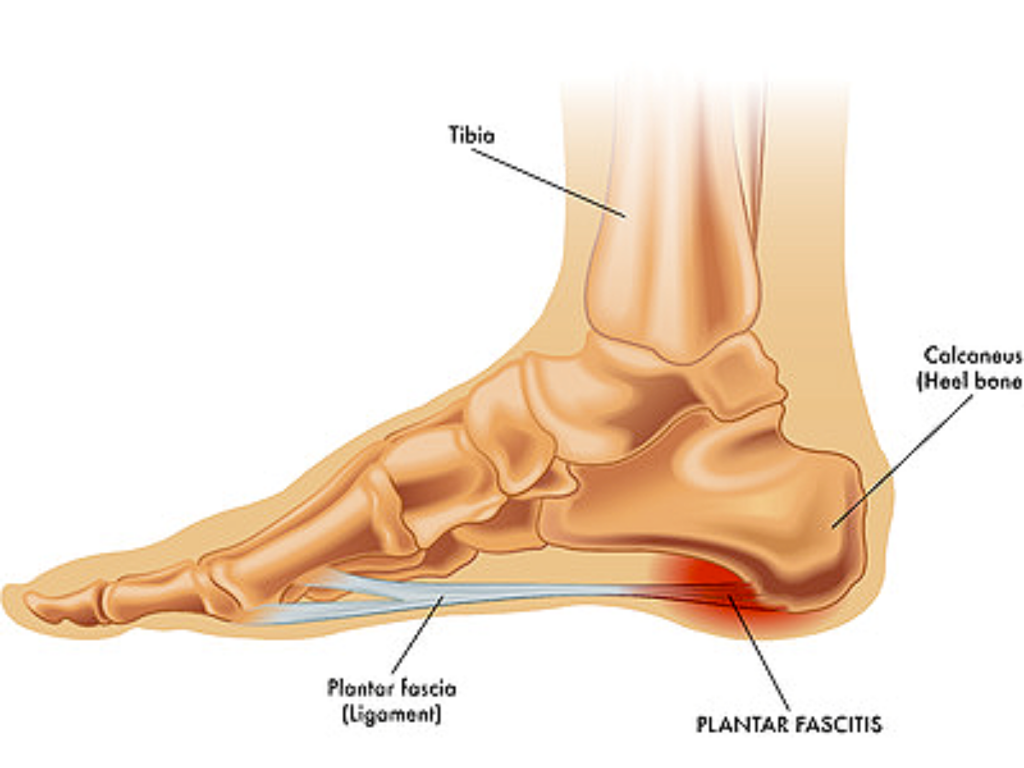
Plantar fasciitis involves irritation and degeneration of the plantar fascia, a thick band of connective tissue that runs along the bottom of the foot and supports the arch.
Common symptoms include:
Contrary to popular belief, plantar fasciitis is often not inflammatory, but rather a form of tendinopathy, where the tissue struggles to heal properly.
What Is Shockwave Therapy?
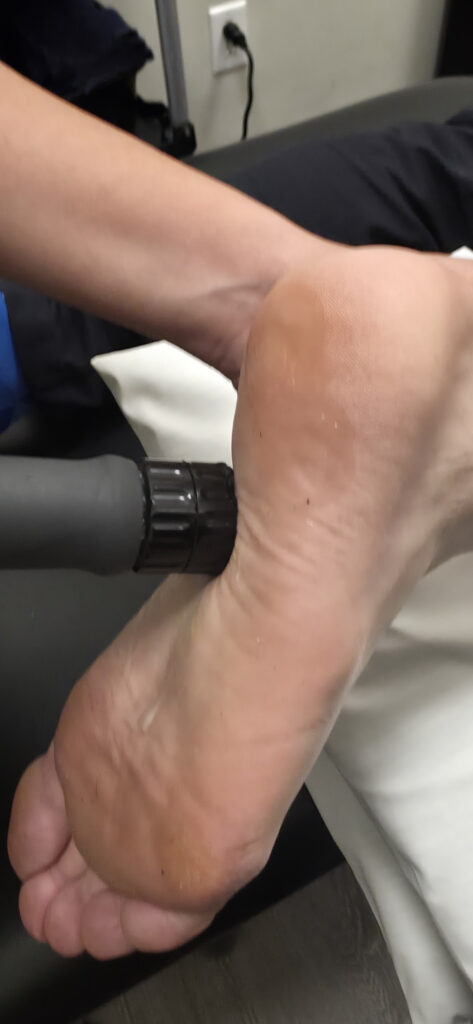
Shockwave therapy, also known as extracorporeal shockwave therapy (ESWT), uses controlled acoustic waves applied to the affected tissue.
These sound waves stimulate the body’s natural healing processes by:
It is non-invasive and typically requires no downtime.
Why Shockwave Therapy Works So Well for Plantar Fasciitis
1. Stimulates Healing in Degenerated Tissue
Plantar fasciitis often persists because the tissue has poor blood supply and limited healing capacity. Shockwave therapy helps “restart” the healing process by increasing circulation and cellular activity in the plantar fascia.
2. Breaks the Chronic Pain Cycle
Chronic heel pain can alter nerve signaling and pain perception. Shockwave therapy helps reduce nerve hypersensitivity, allowing patients to move more comfortably and tolerate rehabilitation exercises.
3. Improves Tissue Quality
Shockwave therapy encourages collagen remodeling, which improves the strength and elasticity of the plantar fascia, reducing the risk of recurrence.
4. Effective for Long-Standing Cases
Research has shown shockwave therapy to be especially effective for chronic plantar fasciitis that has not responded to rest, stretching, or orthotics alone.
Why Shockwave Therapy Alone Is Not Enough
While shockwave therapy is powerful, it works best when combined with a comprehensive physiotherapy program.
Plantar fasciitis often develops due to:
Without addressing these contributing factors, pain may return.
How We Use Shockwave Therapy at Pain Free Health Clinic
At Pain Free Health Clinic, shockwave therapy is integrated into a personalized treatment plan, not used as a stand-alone solution.
Our approach includes:
✔ Thorough Assessment
We evaluate:
✔ Targeted Shockwave Therapy
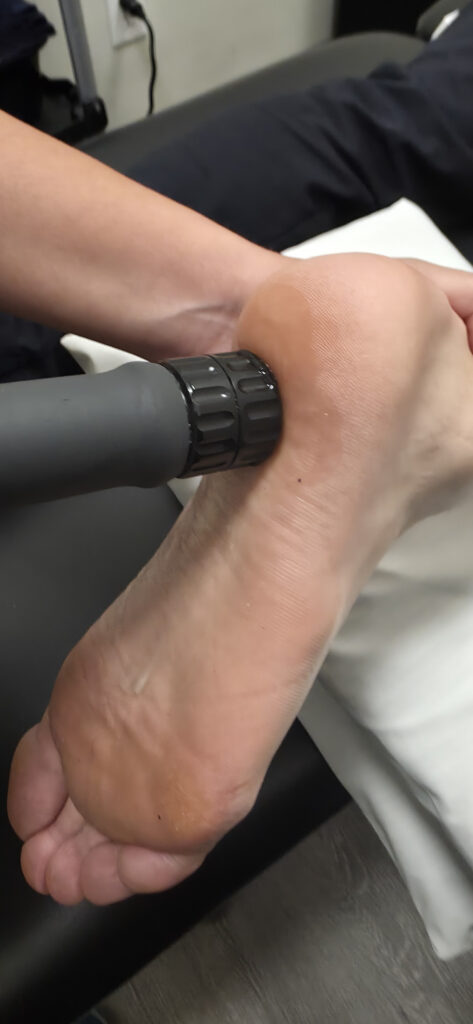
Shockwave is applied directly to the plantar fascia and surrounding structures to stimulate healing and reduce pain.
✔ Progressive Exercise Therapy
We guide patients through:
✔ Education & Load Management
We provide guidance on:
This combination helps ensure long-lasting results, not just short-term relief.
What to Expect During Treatment
Who Is a Good Candidate for Shockwave Therapy?
Shockwave therapy is especially beneficial for:
Your physiotherapist will determine if it’s appropriate for your condition.
Final Thoughts
Shockwave therapy is effective because it addresses the underlying tissue healing problem, not just the symptoms. When combined with proper physiotherapy, it can significantly improve pain, function, and long-term foot health.
At Pain Free Health Clinic, we use shockwave therapy as part of a comprehensive, movement-based approach to help patients get back on their feet, comfortably and confidently.
Take the Next Step Toward Heel Pain Relief
If heel pain is limiting your daily activities, shockwave therapy combined with physiotherapy may be the solution.
Book your assessment at Pain Free Health Clinic today and start moving pain-free again.


